Getting a Dog During a Move: 2026 Yard & Home Prep Guide
Moving to a new home and getting a dog? Discover our 2026 guide on yard fencing, smart pet doors, and decompression strategies for a smooth transition.
The Dual Transition: Moving Homes and Getting a Dog
Moving into a new home is universally ranked as one of life's most stressful events. Now, imagine layering the profound responsibility of getting a new dog on top of unpacking boxes, setting up utilities, and learning the quirks of a new neighborhood. For many aspiring pet owners in 2026, this dual transition is becoming increasingly common. Suburban migration and flexible work arrangements have driven a surge in first-time homebuyers who are finally acquiring the yard space necessary to welcome a dog into their lives. However, transitioning from an apartment to a house with a yard while simultaneously bringing home a new canine companion requires meticulous planning.
The environment is entirely novel to the dog, and the lack of established routines can lead to anxiety, escape attempts, and behavioral regressions. A new yard is not just a play area; it is a complex sensory landscape filled with unfamiliar scents, wildlife, and potential hazards. This comprehensive guide will walk you through the essential steps to secure your new property, integrate modern smart-home technology, and execute a flawless decompression protocol for your new dog in 2026.
Securing the Perimeter: 2026 Fencing and Containment Solutions
Before your dog ever steps paw onto your new property, the perimeter must be secure. Apartment living relies on walls and doors, but a yard introduces the risk of bolting. In 2026, homeowners have more advanced options than ever, ranging from traditional physical barriers to AI-assisted GPS containment systems. The right choice depends on your budget, local HOA regulations, and your dog's prey drive.
While traditional physical fencing remains the gold standard for safety, the latest 2026 GPS smart collars, such as the Fi Series 4, offer incredible backup tracking if a physical breach occurs. However, experts caution against relying solely on invisible or GPS-based fences for newly adopted dogs experiencing transition stress, as the psychological barrier is easily broken by a high-prey-drive trigger like a passing squirrel.
| Containment Type | 2026 Avg. Cost | Pros | Cons |
|---|---|---|---|
| 6ft Vinyl Privacy Fence | $45 - $75 per linear ft | Blocks visual triggers, highly secure, durable | High upfront cost, requires professional installation |
| Welded Wire Fencing | $15 - $25 per linear ft | Budget-friendly, quick to install, allows airflow | Dogs can climb it, does not block visual stimuli |
| GPS Smart Collar (e.g., Fi Series 4) | $150 + $12/mo subscription | Excellent tracking, no yard excavation needed | Does not physically stop escapes or keep predators out |
| Traditional Underground Wire | $1,000 - $1,500 installed | Hidden from view, preserves yard aesthetics | Can cause fear-based aggression, fails during power outages |
Smart Home Integration for the New Arrival
The modern 2026 smart home is a powerful tool for managing a new dog's transition. When you are busy unpacking or managing movers, you cannot have your eyes on the dog at all times. Upgrading your home's pet-tech ecosystem before the dog arrives can prevent disasters.
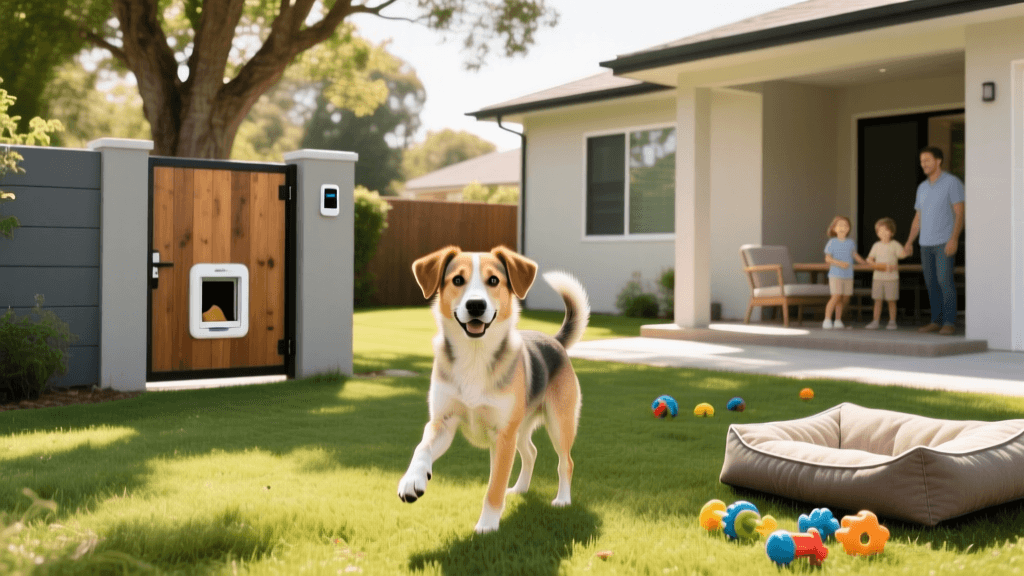
First, consider installing a smart pet door like the SureFlap Connect Pro (2026 edition). This device reads your dog's microchip, allowing them to access a secure 'decompression room' or enclosed patio while keeping neighborhood wildlife out. Second, deploy indoor cameras with two-way audio and treat-tossing capabilities. The latest Wyze and Furbo models feature AI bark detection and anxiety-monitoring algorithms that send alerts to your phone if your dog is exhibiting signs of severe distress while you are in another room or out running errands.
The 72-Hour Decompression Protocol
Bringing a dog directly from a shelter or breeder into a chaotic, half-unpacked house is a recipe for disaster. The Humane Society recommends a structured, gradual introduction to new environments to prevent sensory overload. We advocate for the '3-3-3 Rule' (3 days to decompress, 3 weeks to learn routines, 3 months to feel at home), but the first 72 hours are the most critical.
Day 1: The Safe Room Sanctuary
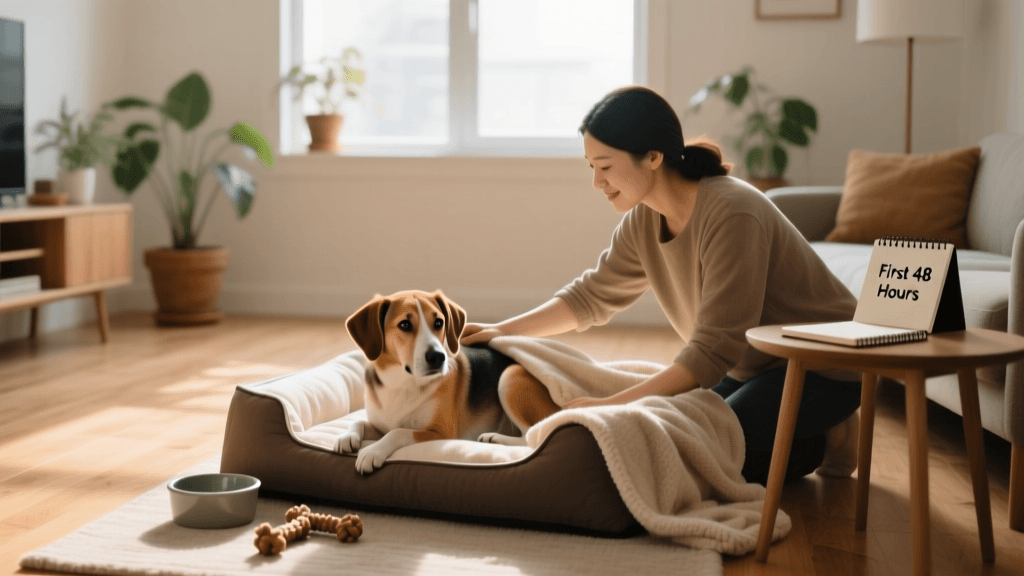
Do not give your new dog free roam of the house. Set up a 'safe room' (like a quiet guest bedroom or a large bathroom) before moving day. Equip it with a crate, a calming pheromone diffuser (like Adaptil), water, and an orthopedic bed. Spend the first day in this room with your dog, engaging in low-energy bonding activities like hand-feeding and gentle massage. Ignore the unpacking for now; your dog needs to know you are their anchor in this new world.
Day 2: Scent Swapping and Leashed Exploration
On the second day, keep the dog on a long indoor leash and allow them to sniff the perimeters of the main living areas. Do not force them into loud rooms where movers or family members are active. Let them map the house through scent. This is also the day to introduce them to the back door, but keep them leashed when stepping outside.
Day 3: The Yard Introduction
According to American Kennel Club guidelines on moving with dogs, the first yard visit should be on a long line, even if the fence is secure. Walk the perimeter with your dog, allowing them to sniff the fence line and mark their territory. This establishes the boundaries and helps them understand that this new outdoor space is an extension of their safe zone.
Pro Tip for 2026: Use a GPS-enabled long line or a smart harness during early yard explorations. If your dog slips their collar or gets spooked by a neighboring construction noise, the integrated GPS will instantly ping your phone, providing a crucial safety net during those vulnerable first weeks.
Yard Safety and Toxic Plant Audits
A new yard is a botanical minefield for an inquisitive dog. Before granting your dog unsupervised yard access, you must conduct a thorough audit of the landscaping. Many common ornamental plants used in modern suburban landscaping are highly toxic to canines. Sago palms, oleander, azaleas, and certain types of lilies can cause fatal organ failure if ingested.
Walk the property line and garden beds with a plant identification app, and cross-reference your findings with the ASPCA's comprehensive toxic plant list. Remove any toxic flora immediately, or install decorative, dog-proof barriers around those specific garden beds. Additionally, check for hidden hazards left by previous owners, such as rusted nails, discarded rodenticide bait stations, or gaps under the fence where a small-to-medium dog could squeeze through.
Budgeting for the Dual Transition
Getting a dog while moving requires a specialized budget that accounts for both human and canine setup costs. Failing to allocate funds for proper containment and decompression tools often leads to expensive emergency vet visits or property damage. Here is a realistic 2026 budget breakdown for the dual transition:
- Physical Fencing Upgrades: $1,500 - $4,000 (depending on yard size and material)
- Smart Home Pet Tech: $300 - $600 (Smart pet door, indoor camera, GPS collar)
- Decompression & Anxiety Aids: $150 (Calming supplements, pheromone diffusers, puzzle toys, orthopedic crate bed)
- Yard Landscaping Audit & Remediation: $200 - $500 (Removing toxic plants, filling fence gaps, securing compost bins)
- Professional Dog Walker/Daycare Buffer: $300 (For the first two weeks while you are busy unpacking and setting up utilities)
Conclusion
Getting a dog during a major life transition like moving to a new home is a profound undertaking, but it is entirely manageable with the right preparation. By prioritizing physical security, leveraging 2026's advanced smart-home pet technology, and respecting your dog's need for a structured decompression period, you can turn a potentially chaotic experience into the foundation of a beautiful, lifelong bond. Welcome to your new home, and welcome to dog ownership.
anouk-beaumont
All our authors care for dogs every day — read more of their work on the authors page.