Top Dog Breeds for Remote Workers in 2026: WFH Guide
Discover the best dog breeds for remote workers in 2026. Learn the canine psychology behind WFH-friendly dogs and find your perfect home-office companion.
The Psychology of the Home-Office Dog
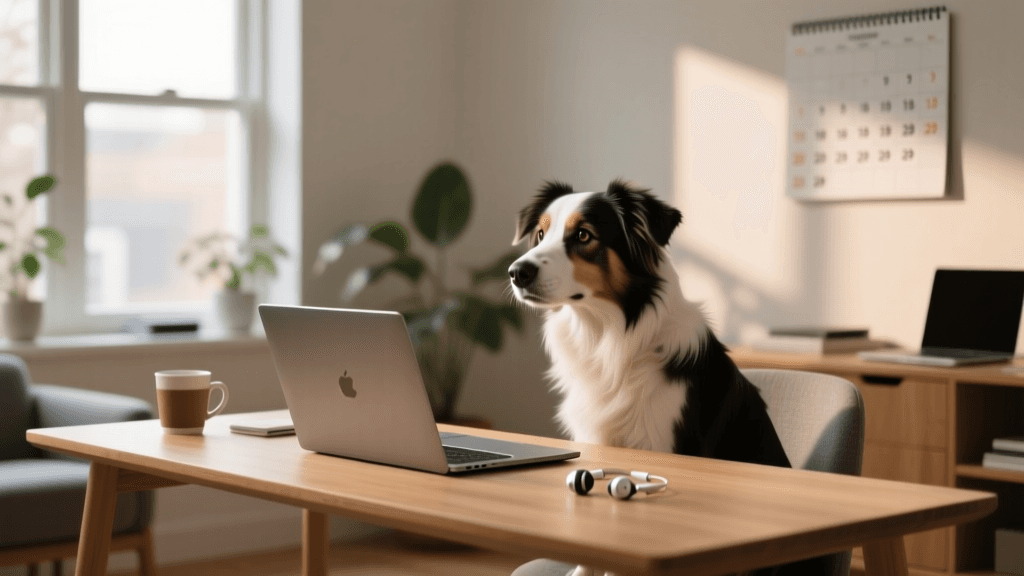
As fully remote and hybrid work models solidify in 2026, the home office has evolved from a temporary setup into a permanent shared living and working space. For dog owners, this means our canine companions are no longer just waiting for us to come home; they are actively participating in our workdays. However, not all dogs are psychologically wired to thrive in a home-office environment. Understanding the behavioral instincts, energy thresholds, and vocalization triggers of different breeds is critical for maintaining both your productivity and your dog's mental well-being.
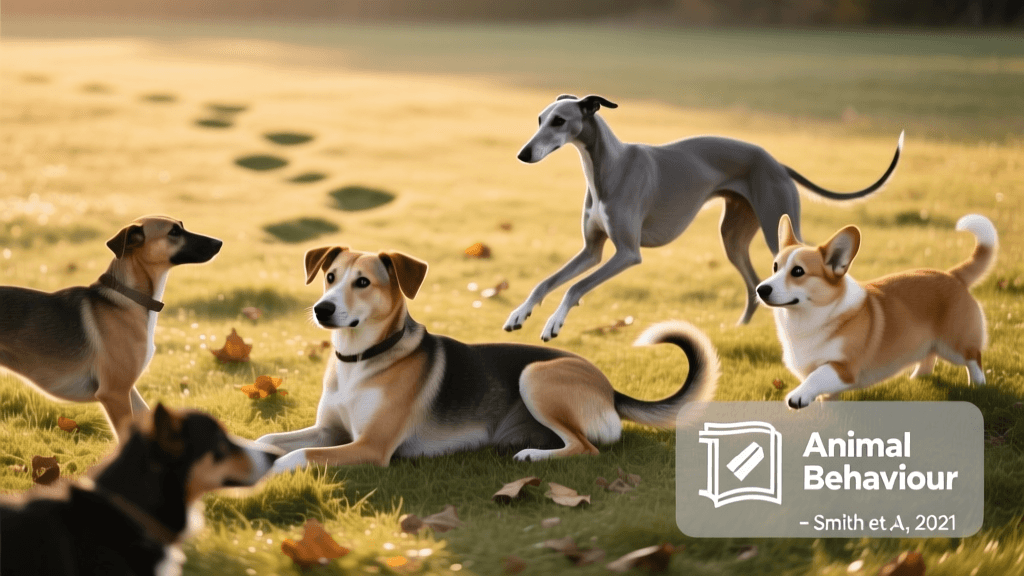
The ideal remote-work dog possesses a specific psychological profile: they must be capable of 'settling' for long periods, exhibit low territorial reactivity to everyday noises like doorbells or delivery drivers, and find comfort in your passive presence rather than demanding constant active engagement. While a Border Collie might view a passing delivery truck as a herding trigger, a companion or sighthound breed is biologically inclined to ignore it. Let us explore the canine psychology that makes certain breeds the ultimate co-workers.
Key Behavioral Traits for Remote Work Companions
The 'Zoom Call' Test: Vocalization and Reactivity
Alert barking is a natural canine behavior, but in a home office, it can be highly disruptive. Breeds developed for watchdog duties or territorial guarding (such as Terriers or Shepherds) have a lower threshold for environmental stimuli. According to the ASPCA's guide on managing excessive barking, understanding whether a dog barks out of boredom, alarm, or attention-seeking is the first step in behavior modification. For remote workers, breeds with a naturally higher threshold for alarm barking are vastly preferable.
Settling vs. Pacing: The Anaerobic Advantage
Dogs bred for endurance (like Huskies or Pointers) have a psychological need to patrol and move. Conversely, breeds built for short bursts of anaerobic energy or purely for companionship have a biological 'off switch.' Once their basic physical and mental needs are met, their nervous system down-regulates, allowing them to sleep deeply while you focus on deep-work tasks.
The 'Velcro' Paradox
Many remote workers seek 'Velcro dogs'—breeds that follow them from room to room. While this provides great companionship, it is vital to distinguish between a dog that enjoys your passive company and one that suffers from hyper-attachment. A healthy WFH dog should be content sleeping on a nearby dog bed while you type, rather than pacing or whining if you do not maintain physical contact.
Top 4 Dog Breeds for Remote Workers in 2026
1. Cavalier King Charles Spaniel (The Empathetic Co-Worker)
Bred exclusively for companionship over several centuries, the Cavalier King Charles Spaniel is the quintessential home-office partner. Their psychological drive is centered entirely around human bonding. They are highly empathetic and will often mirror your energy levels; if you are stressed and typing furiously, they tend to rest quietly at your feet. According to the American Kennel Club's Cavalier profile, their adaptable nature makes them exceptionally well-suited to indoor living. They rarely exhibit territorial barking, making them a safe bet for uninterrupted video conferences.
2. Greyhound (The 45-MPH Couch Potato)
It is a common misconception that Greyhounds require massive amounts of daily exercise. In reality, sighthounds are sprinters. Their physiology and psychology are geared toward short, intense bursts of prey-driven running, followed by up to 18 hours of deep rest. In a home-office setting, a retired racing Greyhound or a rescue Greyhound will typically claim a nearby rug or orthopedic bed and remain completely stationary for your entire 8-hour shift. Their low indoor energy and general indifference to neighborhood noises make them phenomenal WFH companions.
3. Japanese Chin (The Quiet Observer)
The Japanese Chin is an ancient toy breed developed for the exclusive purpose of accompanying nobility in indoor settings. Psychologically, they are often described as 'feline.' They are independent thinkers who do not demand constant validation, yet they remain deeply devoted. They are notably quiet, reserving their vocalizations for genuine excitement rather than territorial alerts. Their small size and low-shedding coat also make them ideal for keeping your home-office space clean and allergen-free.
4. Bichon Frise (The Cheerful, Low-Allergen Colleague)
If your remote work involves occasional in-person client meetings at your home, or if you simply prefer a brighter, more cheerful presence, the Bichon Frise is an excellent choice. They possess a stable, happy temperament and are highly trainable. While they do have a moderate energy level, they respond incredibly well to the 'Pomodoro technique'—a quick game of indoor fetch or a brisk walk during your 15-minute break is usually enough to satisfy their physical needs, allowing them to settle into a chew toy while you return to your screen.
Breed Comparison Chart for WFH Lifestyles
| Breed | Indoor Energy | Barking Tendency | Independence Level | WFH Suitability |
|---|---|---|---|---|
| Cavalier King Charles Spaniel | Low | Low | Very Low (Velcro) | Excellent |
| Greyhound | Very Low | Very Low | Moderate | Excellent |
| Japanese Chin | Low | Low | High (Feline-like) | Very Good |
| Bichon Frise | Moderate | Moderate | Low | Good (with breaks) |
| Border Collie (For Contrast) | Very High | High | Low | Poor |
Managing Your Dog's Behavior During the Workday
Even the most naturally suited breed requires environmental management to succeed in a home-office setting. In 2026, utilizing modern canine enrichment tools is standard practice for remote workers.
- The 'Place' Command: Train your dog to go to a specific mat or bed on cue. Reward them heavily for staying on the mat while you are at your desk. This creates a psychological boundary that helps them understand when it is 'work time.'
- Desensitization to Triggers: If your dog reacts to the doorbell or delivery notifications, use a smart pet camera or a recorded sound app to play these triggers at a very low volume while feeding them high-value treats. Gradually increase the volume over several weeks to rewire their emotional response from 'alarm' to 'anticipation of food.'
- Lick Mats and Snuffle Mats: During your most critical morning meetings, provide a frozen lick mat or a snuffle mat scattered with kibble. The act of licking and foraging releases endorphins in a dog's brain, naturally promoting a calm, relaxed state that aligns perfectly with your need for quiet focus.
Conclusion
Choosing the right dog breed for a remote-work lifestyle is ultimately about aligning canine instincts with your daily routine. By understanding the psychological drivers behind a breed's energy levels, vocalization habits, and social needs, you can select a companion that enhances your work-from-home experience rather than disrupting it. Whether you opt for the empathetic Cavalier, the stoic Greyhound, or the observant Japanese Chin, the key to a harmonious home office in 2026 lies in respecting and accommodating your dog's natural behavioral blueprint.
marcus-aldridge
All our authors care for dogs every day — read more of their work on the authors page.