Canine Olfactory Psychology: Holistic Sniffaris 2026
Discover how holistic sniffari enrichment lowers canine cortisol. Learn to build a natural scent garden to support your dog's psychological well-being.
The Hidden Brain: Canine Olfactory Psychology
To truly understand your dog, you must first understand how they perceive the world. While humans are primarily visual creatures, dogs are olfactory processors. A dog's nose contains up to 300 million olfactory receptors, compared to a human's mere 6 million. Furthermore, the olfactory bulb in a dog's brain is proportionally 40 times larger than ours. When your dog sniffs, they are not just identifying odors; they are reading a complex, invisible tapestry of time, emotion, and biological data. This process is deeply tied to the limbic system, the brain's emotional center.
From a holistic perspective, sniffing is a powerful tool for nervous system regulation. Deep, sustained sniffing activates the parasympathetic nervous system, effectively lowering the heart rate and reducing cortisol levels. In the realm of canine psychology, a dedicated 'sniffari'—an environment specifically designed for natural foraging and scent processing—is one of the most effective, biologically appropriate methods for managing anxiety, hyperactivity, and cognitive decline. As veterinary behaviorists continue to emphasize in 2026, allowing a dog to engage in uninterrupted olfactory exploration is equivalent to a human engaging in deep, meditative mindfulness.
The 2026 Shift: Biophilic Enrichment Over Plastic Puzzles
Over the past few years, the dog care market was saturated with synthetic snuffle mats and plastic puzzle toys. While these provided basic mental stimulation, holistic canine behaviorists have noted a significant shift in 2026 toward 'biophilic enrichment.' Biophilia refers to the innate biological connection between living organisms and their natural environment. Plastic toys lack the complex, layered scent profiles found in nature and can harbor synthetic dyes and microplastics.
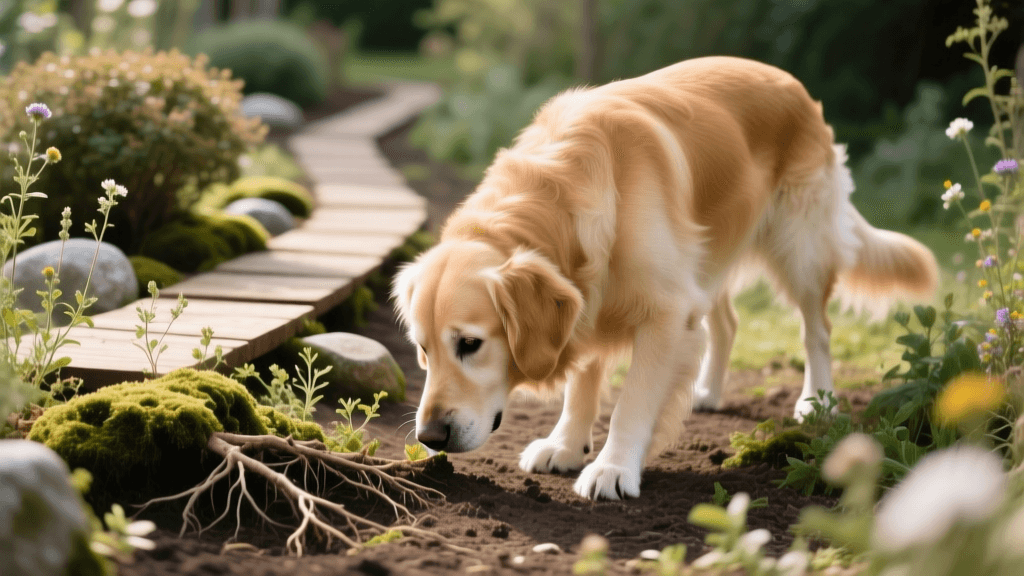
A truly holistic sniffari utilizes organic, compostable, and biologically resonant materials. By mimicking the forest floor or a natural meadow, you engage your dog's ancestral foraging instincts. This not only provides mental fatigue but also grounds their nervous system through exposure to natural phytoncides (airborne plant chemicals) and beneficial soil microbiomes, which emerging 2026 studies suggest play a role in the gut-brain axis and overall canine emotional resilience.
Building a Holistic Sniffari: Substrates and Botanicals
Creating a natural sniffari box or a dedicated garden bed requires careful selection of dog-safe, organic materials. You want to avoid treated lumber, synthetic fertilizers, and any plants that could cause gastrointestinal upset. According to the ASPCA's comprehensive toxic plant database, it is vital to verify every botanical element before introducing it to your dog's foraging space.
For the base layer, organic coconut coir, untreated orchid bark, and organic hemp shreds are excellent choices. These substrates hold scent well and provide varied tactile feedback for your dog's paws and nose. For the olfactory layer, incorporating dried, dog-safe culinary and medicinal herbs adds therapeutic benefits. Chamomile offers mild calming properties, sweet basil provides a sharp, engaging scent that stimulates focus, and dried calendula petals add visual contrast and gentle anti-inflammatory benefits if accidentally ingested during enthusiastic foraging.
Holistic Sniffari Materials Comparison (2026 Guide)
| Material / Botanical | Average Cost (2026) | Olfactory Profile | Holistic Behavioral Benefit |
|---|---|---|---|
| Organic Coconut Coir | $12 per block | Earthy, damp, neutral base | Excellent scent retention; mimics natural soil foraging. |
| Dried Chamomile Flowers | $15 per lb | Sweet, apple-like, floral | Promotes parasympathetic relaxation; reduces mild anxiety. |
| Organic Sweet Basil | $8 per oz | Pungent, peppery, bright | Stimulates cognitive engagement and alert curiosity. |
| Untreated Orchid Bark | $18 per bag | Woody, resinous, dry | Provides complex tactile and auditory feedback while digging. |
| Dried Valerian Root | $22 per lb | Musky, earthy, intense | Deep nervous system sedation; use sparingly for high-strung dogs. |
Decoding Scent-Processing Body Language
Understanding your dog requires observing their body language during the sniffari. When a dog is actively processing complex scents and regulating their nervous system, you will notice specific 'calming signals.' Look for soft, relaxed eyes, a gently wagging or neutral tail, and a lowered head. You may also observe the 'sniff-sneeze'—a sudden, sharp sneeze that dogs use to clear their nasal passages and reset their olfactory receptors during intense scent work.
Conversely, if your dog is experiencing olfactory overload or frustration, their body language will shift. Tight lips, pinned ears, frantic pawing at the substrate, and high-pitched whining indicate that the task is too difficult or the scents are too overwhelming. In a holistic framework, we do not force the dog to 'finish' the puzzle. Instead, we respect their nervous system's limits, gently interrupt the session, and offer a simpler, lower-stakes foraging opportunity to rebuild their confidence. As noted by experts in canine nose work training, the goal is always the journey of the sniff, not just the consumption of the reward.
Step-by-Step Holistic Sniffari Implementation
To integrate a natural sniffari into your dog's weekly routine, follow these actionable steps to ensure a safe and psychologically beneficial experience:
- Prepare the Substrate: In a shallow, untreated wooden tray or a dedicated corner of your garden, lay down two inches of organic coconut coir mixed with orchid bark.
- Layer the Botanicals: Sprinkle a handful of dried chamomile and sweet basil over the substrate. Avoid using concentrated essential oils, as they can cause severe respiratory and hepatic toxicity in dogs.
- Hide the Rewards: Instead of commercial, highly processed treats, use biologically appropriate rewards such as freeze-dried minnows, small pieces of organic dehydrated sweet potato, or sprays of bone broth frozen into small chunks.
- Observe and Time: Allow your dog to engage with the sniffari for 15 to 20 minutes. Olfactory fatigue sets in quickly; beyond 20 minutes, the mental benefits diminish and frustration may increase.
- Cleanse the Palate: After the session, offer fresh water and engage in a brief, low-energy bonding activity like gentle chest massage to help them transition out of their foraging state.
Safety, Sensory Overload, and Environmental Harmony
While holistic enrichment is highly beneficial, it must be approached with respect for the dog's sensory limits. The canine nose is so sensitive that overwhelming it with synthetic fragrances, harsh cleaning chemicals, or even too many competing natural scents can lead to behavioral shutdown. Always ensure your sniffari area is free from chemical lawn treatments or synthetic air fresheners.
Furthermore, holistic dog care is about observing the whole animal. If your dog is lethargic, uninterested in the sniffari, or exhibiting signs of physical discomfort, consult your veterinarian. Scent work should be a joyous, regulating experience. For more comprehensive ideas on balancing physical and mental health, organizations like Best Friends Animal Society offer excellent, species-appropriate enrichment guidelines that prioritize the animal's emotional welfare above all else.
By embracing the neurobiology of the canine nose and utilizing natural, biophilic materials, you provide your dog with an outlet that honors their evolutionary heritage. In 2026, the most advanced thing you can do for your dog's psychological well-being isn't buying the newest electronic gadget; it is simply giving them the time, space, and natural elements to do what they were born to do: sniff.
priya-sutaria
All our authors care for dogs every day — read more of their work on the authors page.