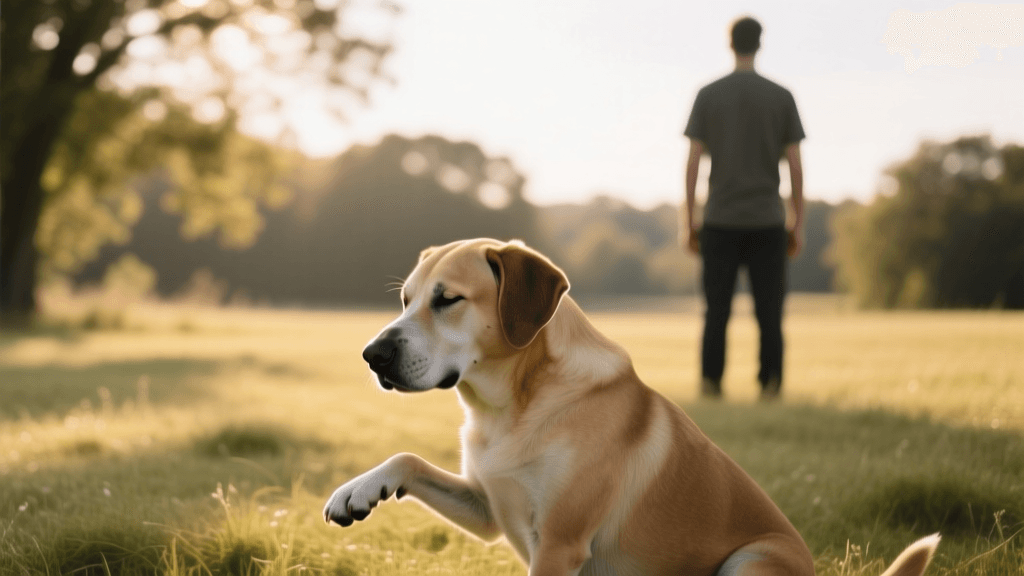
Decompression Walks for Reactive Dogs: A 2026 Guide
Discover how decompression walks and sniffaris reduce cortisol in leash reactive dogs. Learn the 2026 protocol, gear, and science behind scent work.
The Psychology of Leash Reactivity in 2026
Leash reactivity remains one of the most challenging behavioral issues dog owners and professionals face in 2026. Characterized by barking, lunging, growling, or extreme pulling when on a leash, reactivity is rarely born out of true aggression. Instead, it is overwhelmingly rooted in fear, frustration, or over-arousal. When a dog is confined to a six-foot leash, their natural "flight" option is removed. If a trigger—such as another dog, a loud truck, or an unfamiliar person—approaches, the dog's amygdala hijacks their nervous system, forcing a "fight" response to increase the distance between themselves and the perceived threat.
Managing a reactive dog requires more than just obedience training; it requires a deep understanding of canine neurology and stress hormones. When a dog reacts, their body floods with cortisol and adrenaline. It can take up to 72 hours for a dog's cortisol levels to return to baseline after a single severe reactive episode. This is where the concept of the "Decompression Walk," often referred to as a "Sniffari," has become the gold standard in modern canine behavioral management.
Why Decompression Walks Work: The Science of Scent
To understand why decompression walks are so effective, we must look at how dogs process the world. A dog's olfactory bulb is proportionally 40 times larger than a human's, and they possess up to 300 million olfactory receptors. Sniffing is not just a way for dogs to gather information; it is a physiological calming mechanism.
According to behavioral guidelines emphasized by Fear Free Pets, engaging a dog's nose actively lowers their heart rate and shifts their brain from a state of sympathetic arousal (fight or flight) to parasympathetic rest (rest and digest). When a reactive dog is allowed to engage in deep, uninterrupted sniffing, they are essentially performing a self-soothing exercise. In 2026, veterinary behaviorists universally recommend replacing high-stress, fast-paced neighborhood walks with structured decompression walks to help anxious dogs build emotional resilience and lower their overall baseline of anxiety.
Essential Gear for Safe Decompression Walks
You cannot safely execute a decompression walk with standard neighborhood gear. The goal is to provide the dog with freedom to explore while maintaining absolute safety. Here is the required equipment for 2026:
- Y-Front Harness: Avoid back-clip harnesses that encourage pulling or restrictive no-pull harnesses that impede shoulder movement. A well-fitted Y-front harness (such as the Perfect Fit or Ruffwear Front Range) allows full range of motion and provides a secure front-clip option for emergencies.
- 15 to 30-Foot Biothane Long Line: Retractable leashes are strictly prohibited for reactive dogs due to the lack of control and risk of leash burn. A 15 to 30-foot Biothane long line is waterproof, dirt-proof, and provides a smooth glide through grass and brush. Expect to invest between $40 and $70 for a high-quality, customized Biothane line.
- High-Value Treat Pouch: Fill a dedicated training pouch with novel, high-value treats like freeze-dried beef liver, boiled chicken, or commercial lick-pastes. This is used for "scatter feeding" to encourage sniffing.
- GPS and Health Tracker: Modern 2026 GPS collars now include Heart Rate Variability (HRV) monitoring. Tracking your dog's HRV during a Sniffari can provide objective data on how quickly their nervous system is regulating in different environments.
The 2026 Sniffari Protocol: Step-by-Step
Executing a proper decompression walk requires intentionality. Follow this protocol to maximize the psychological benefits for your reactive dog.
Step 1: Location Scouting
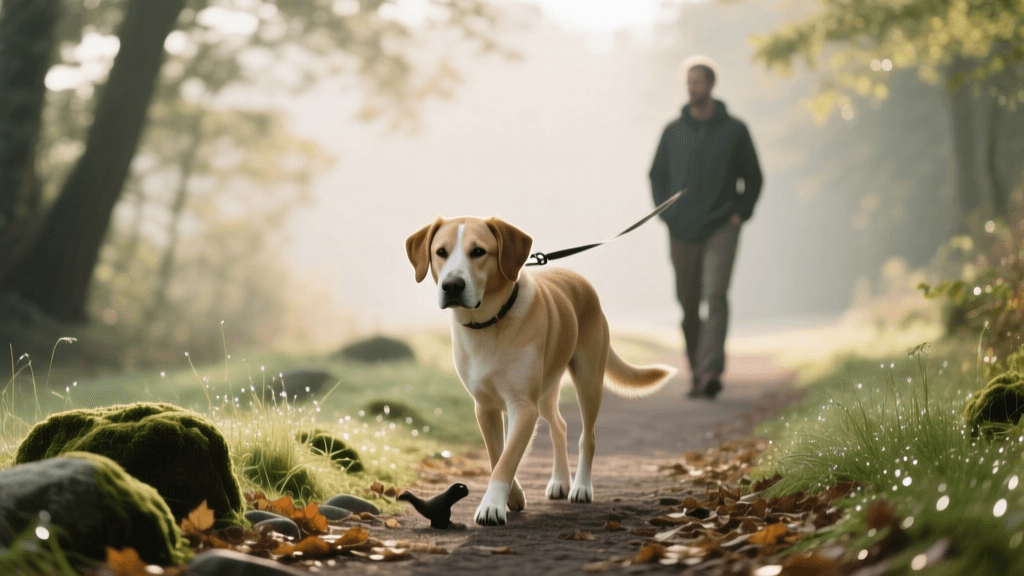
The environment must be below your dog's reactivity threshold. Avoid busy sidewalks, dog parks, and high-traffic trails. Ideal locations include empty sports fields, quiet wooded trails, or large, empty parking lots on weekends. The American Veterinary Society of Animal Behavior (AVSAB) stresses that exposure to triggers without proper distance and management only reinforces reactive neural pathways. The goal of this walk is zero trigger exposure.
Step 2: The Decompression Transition
When you arrive at the location, do not immediately unclip the leash. Stand still and allow your dog to observe the environment. Wait for a voluntary "check-in" (eye contact) or a deep exhale/shake-off. Once the dog shows relaxed body language, attach the long line to the back-clip of the Y-harness and drop the tension.
Step 3: Scatter Feeding
If your dog is too anxious to sniff naturally, you must "prime the pump." Toss a handful of high-value treats into the grass or dirt. Say a cue like "find it." This forces the dog's nose to the ground, initiating the parasympathetic calming response. Repeat this 3 to 4 times until the dog begins sniffing the environment independently.
Step 4: The 3-Second Sniff Rule and Line Handling
Follow your dog. Let them choose the direction and the pace. If they want to sniff a single blade of grass for three minutes, let them. Never rush a reactive dog on a decompression walk. When holding the long line, use the "loop and step" method to prevent tangles and ensure you can quickly shorten the line if a surprise trigger appears. Never wrap the long line around your wrist or hand, as a sudden bolt from a 60-pound dog can cause severe injury.
Standard Walk vs. Decompression Walk: A Comparison
Understanding the difference between a traditional walk and a Sniffari is crucial for managing a reactive dog's weekly routine. Review the table below to adjust your 2026 walking schedule.
| Feature | Standard Neighborhood Walk | Decompression Sniffari Walk |
|---|---|---|
| Primary Goal | Physical exercise, potty break, heel training | Mental enrichment, nervous system regulation |
| Pacing | Steady, human-directed pace | Slow, meandering, dog-directed pace |
| Primary Sense Used | Vision and hearing (scanning for triggers) | Olfactory (deep ground sniffing) |
| Leash Length | 4 to 6 feet (high tension) | 15 to 30 feet (slack, dragging if safe) |
| Cortisol Impact | Can spike if triggers are present | Actively lowers heart rate and cortisol |
| Mental Fatigue | Low to Moderate | Extremely High (equivalent to miles of running) |
Troubleshooting Common Challenges
My Dog Won't Sniff and Just Scans the Horizon
If your dog is visually scanning and ignoring the ground, they are over threshold. The environment is too stimulating, or their internal anxiety is too high. Immediately increase your distance from any perceived stressors. Use a "magnet hand" (holding a fistful of treats right at their nose) to lead them to a quieter corner, or sit on a bench and offer a lick mat to encourage grounding.
My Dog Reacts to Something on the Long Line
Even in secluded areas, surprise triggers happen. If a deer or an off-leash dog appears, do not yell or jerk the line. Step on the long line about 5 feet from the dog's harness to create an immediate but gentle stop. Use a happy, high-pitched voice to call them back, scatter treats on the ground to break their visual fixation, and calmly retreat to a safer distance. Research highlighted by the Cornell University College of Veterinary Medicine indicates that owner anxiety directly transfers down the leash; maintaining your own calm breathing is vital during these moments.
Integrating Decompression Walks into Your Routine
For highly reactive dogs, a daily 45-minute decompression walk is vastly superior to three 15-minute stressful neighborhood walks. In 2026, the most successful behavioral modification plans utilize Sniffaris as the foundation of the dog's physical and mental health. By prioritizing your dog's olfactory needs and giving them the autonomy to explore safely, you are not just managing their reactivity—you are actively rewiring their brain to associate the outdoors with calmness rather than chaos. Grab your Biothane long line, find a quiet patch of woods, and let your dog lead the way.
marcus-aldridge
All our authors care for dogs every day — read more of their work on the authors page.