Best Remote Work Puppy Breeds & Training Tips 2026
Discover the best puppy breeds for remote workers in 2026 and learn essential home-office training techniques for a peaceful, productive workday.
The Rise of the Work-From-Home Dog in 2026
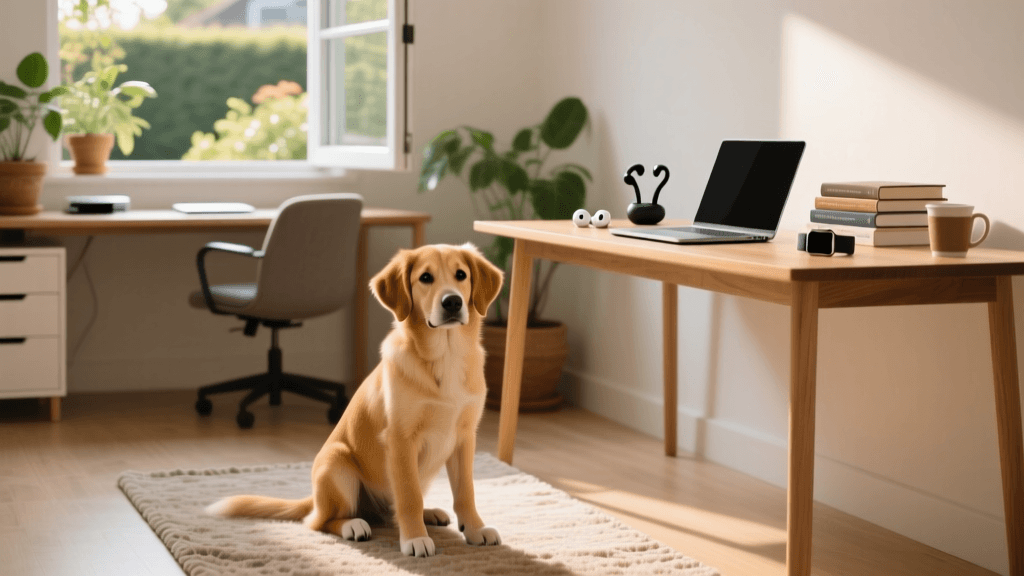
As hybrid and fully remote work models solidify in 2026, the home office has become a shared space for professionals and their canine companions. However, bringing a puppy into a remote work environment requires strategic breed selection and specialized behavioral conditioning. A great work-from-home (WFH) dog must be capable of settling quietly during video calls, entertaining themselves during deep-work blocks, and—crucially—handling independence when you eventually leave the house for in-office days or errands.
According to ASPCA's behavioral resources, puppies raised in 24/7 human presence are at a significantly higher risk for separation anxiety if independence training is not prioritized from day one. This guide explores the top puppy breeds suited for remote workers and outlines the exact training protocols required to cultivate a polite, productive office companion.
Top 4 Puppy Breeds for Remote Workers
Not all breeds are suited for the quiet hum of a home office. High-drive herding dogs or vocal hounds can disrupt your workflow. The following breeds offer the ideal balance of companionship, trainability, and office-appropriate energy levels.
1. Cavalier King Charles Spaniel
The Vibe: The ultimate desk-side companion. Cavaliers are affectionate, highly attuned to their owner's emotions, and generally quiet.
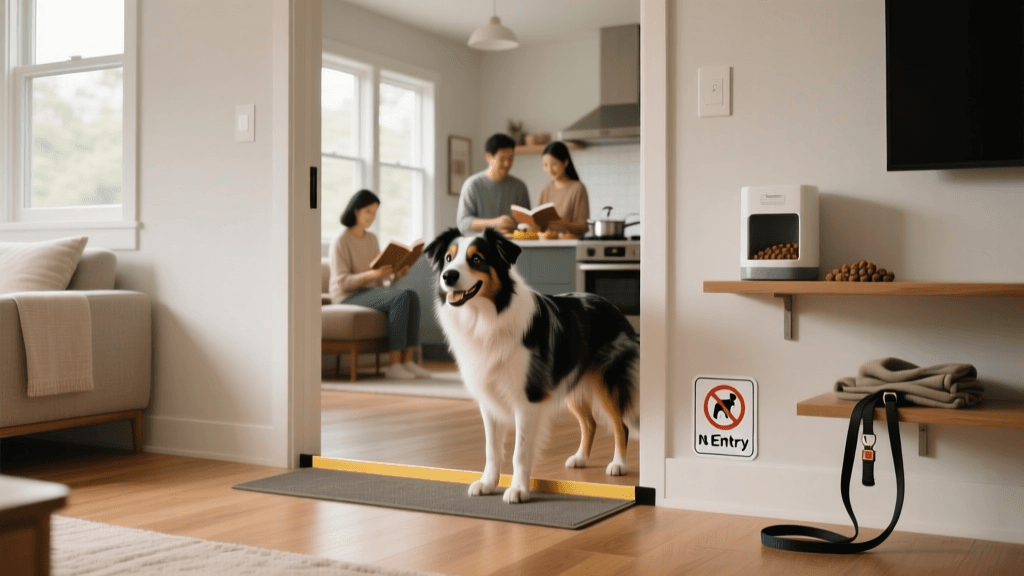
The Training Focus: Independence and Velcro-Dog Prevention. Because they bond so intensely, Cavaliers can develop severe distress when you close the office door for a private meeting or leave for a hybrid office day. Training must focus on gated separation and teaching them to settle on a designated mat outside of your immediate lap space.
2. Greyhound
The Vibe: Surprisingly lazy. Despite their racing background, Greyhounds are notorious couch potatoes who sleep up to 18 hours a day.
The Training Focus: Impulse Control and Spatial Awareness. Greyhounds are large and can inadvertently knock over standing desks or monitor arms if they startle. Training should focus on the Place command and teaching them to navigate tight office spaces calmly without bumping into expensive tech setups.
3. Basset Hound
The Vibe: Low-energy, stubborn, and deeply scent-driven. They are perfectly content sleeping under a desk for an eight-hour shift.
The Training Focus: Scent-Based Enrichment and Vocalization Control. Bassets can be vocal when bored. Instead of physical exercise, remote workers must train their Bassets to use snuffle mats and scent-work puzzles during the workday to satisfy their olfactory needs quietly.
4. Miniature Poodle
The Vibe: Brilliant, alert, and highly trainable. They thrive on having a 'job' to do.
The Training Focus: Task Training and Mental Fatigue. Miniature Poodles need cognitive engagement. Remote workers can train them to perform 'office tasks' like fetching dropped pens, putting toys into a bin, or going to a specific bed when the webcam turns on.
Essential Home-Office Training Protocols
Selecting the right breed is only the first step. To maintain a professional environment, you must implement structured behavioral conditioning. Here are the two most critical protocols for WFH puppy owners in 2026.
Protocol 1: The 'Webcam On' Place Command
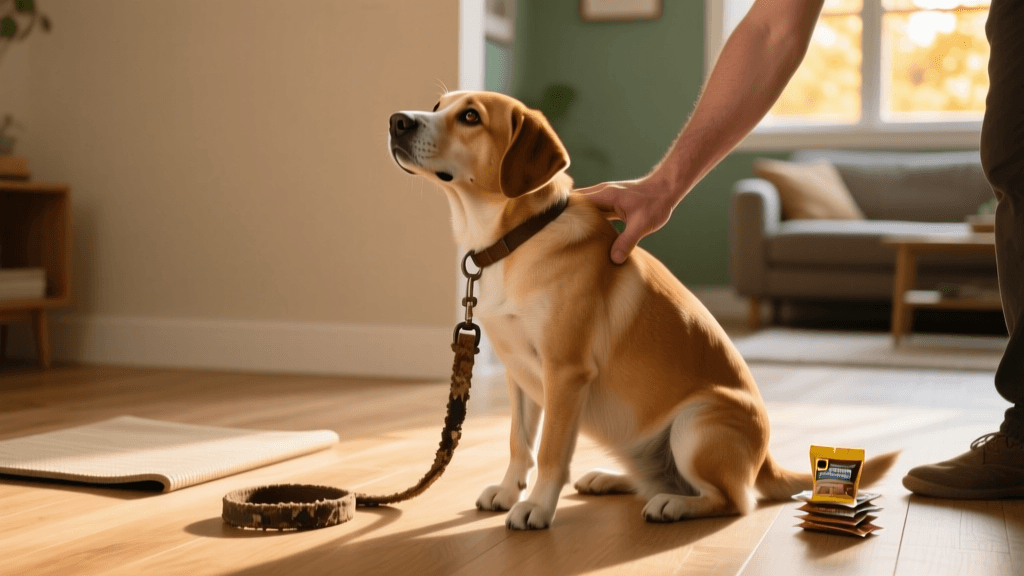
The Place command teaches your puppy to go to a specific bed or mat and remain there until released. This is non-negotiable for Zoom calls and focused work sprints.
- Targeting: Lure your puppy onto a raised cot (like a Kuranda bed) using a high-value treat. Mark the behavior with a clicker or a 'Yes!' the moment all four paws are on the bed.
- Duration Building: Delay the treat delivery. Start with 3 seconds, then 10, then 30. Feed directly on the mat to reinforce that the mat is where the rewards happen.
- Distance and Distraction: Take one step back toward your desk. Return and reward. Gradually increase the distance until you can sit in your office chair, type on your keyboard, and the puppy remains on the cot.
- The Webcam Cue: Pair a specific visual cue—like flipping a ring light on or putting on your headset—with the Place command. Eventually, the puppy will learn that 'headset on' means 'go to your mat and settle'.
Protocol 2: WFH Separation Anxiety Prevention
The biggest mistake remote workers make is spending 24/7 with their new puppy. When the dog is finally left alone, panic ensues. VCA Hospitals' veterinary behavior guidelines emphasize that proactive desensitization to departures is vital for preventing anxiety-related destruction and noise complaints.
- Micro-Departures: Starting at 8 weeks old, leave your puppy in a safe pen or another room for just 30 seconds while you step outside the front door. Return before they vocalize.
- Desensitize Pre-Departure Cues: Put on your shoes, pick up your keys, and then sit back down at your desk. Do this 10 times a day so these cues no longer predict your absence.
- Enrichment Anchoring: Provide a frozen, food-stuffed enrichment toy exclusively when you leave the room or the house. This creates a positive emotional response to your departure.
Recommended 2026 Training Gear for Home Offices
Equipping your home office with the right behavioral tools can drastically reduce training friction. Below is a comparison of the top-rated WFH dog training gear available this year.
| Product Name | 2026 Est. Price | Primary Training Application | Best For Breed |
|---|---|---|---|
| Furbo 360 Smart Dog Camera | $199.00 | Monitoring independence training and dispensing treats for quiet settling. | Cavalier King Charles |
| KONG Extreme Goodie Bone | $24.99 | Long-duration chewing to relieve teething stress during deep-work blocks. | Miniature Poodle |
| Snuffle Mat for Dogs (Wooly) | $38.00 | Olfactory enrichment to quietly burn mental energy without physical movement. | Basset Hound |
| Kuranda Chewproof Cot Bed | $145.00 | Providing a durable, elevated boundary for the 'Place' command. | Greyhound |
Establishing a 2026 WFH Routine
Puppies thrive on predictability. A successful remote work routine integrates training into your natural work schedule. Consider implementing the Pomodoro Puppy Method: work for 45 minutes while the puppy is engaged in a Place command or chewing a safe toy, followed by a 15-minute active training or potty break. This prevents the puppy from becoming overstimulated and demanding attention while you are on a deadline.
Furthermore, leverage modern smart home integrations. Many remote workers in 2026 use automated treat-dispensing cameras linked to their calendar apps, rewarding their dog for quiet behavior automatically during blocked 'focus time'. For more advanced behavioral conditioning techniques, the AKC's expert training hub offers excellent resources on adapting traditional obedience to modern living spaces.
Conclusion
Sharing your home office with a puppy is a rewarding experience, provided you choose a compatible breed and commit to rigorous, proactive training. By focusing on independence, spatial awareness, and mental enrichment, you can raise a well-adjusted dog who respects your workspace. Whether you opt for the affectionate Cavalier or the brilliant Miniature Poodle, the key to a peaceful 2026 workday lies in consistent boundaries, structured enrichment, and a dedication to preventing separation anxiety before it starts.
hannah-wickes
All our authors care for dogs every day — read more of their work on the authors page.