Moving With A Senior Dog: Joint Care & Stress Tips 2026
Relocating with an aging dog? Discover 2026 veterinary tips for managing senior dog joint pain, anxiety, and establishing healthy routines in a new home.
Navigating the Move: A Major Life Transition for Your Senior Dog
Moving ranks among the most stressful life events for humans, but for our canine companions, it represents a profound disruption to their territorial security and daily rhythm. When your dog is entering their senior years—typically age seven and older for large breeds, or ten and older for small breeds—this life transition compounds with age-related physiological vulnerabilities. In 2026, veterinary behaviorists and geriatric specialists emphasize that relocating an aging dog requires a meticulous, multi-modal approach encompassing joint preservation, cognitive support, and environmental modification. This guide will walk you through the essential steps to ensure your senior dog's health and wellbeing remain a top priority during and after your move.
The Physiology of Stress and Osteoarthritis Flare-Ups
Life transitions trigger a cortisol response in dogs. For a senior dog already managing underlying osteoarthritis (OA) or degenerative joint disease, elevated stress hormones can lead to systemic inflammation, resulting in severe arthritis flare-ups. A dog that was comfortably navigating your old home may suddenly appear stiff, reluctant to walk, or hesitant to jump into the car during the moving process. According to the American Veterinary Medical Association (AVMA), senior dogs require proactive pain management and environmental accommodations to prevent the acceleration of mobility loss during stressful events. Recognizing that stress and physical pain are deeply intertwined is the first step in planning a successful relocation.
Pre-Move Veterinary Prep and Joint Support
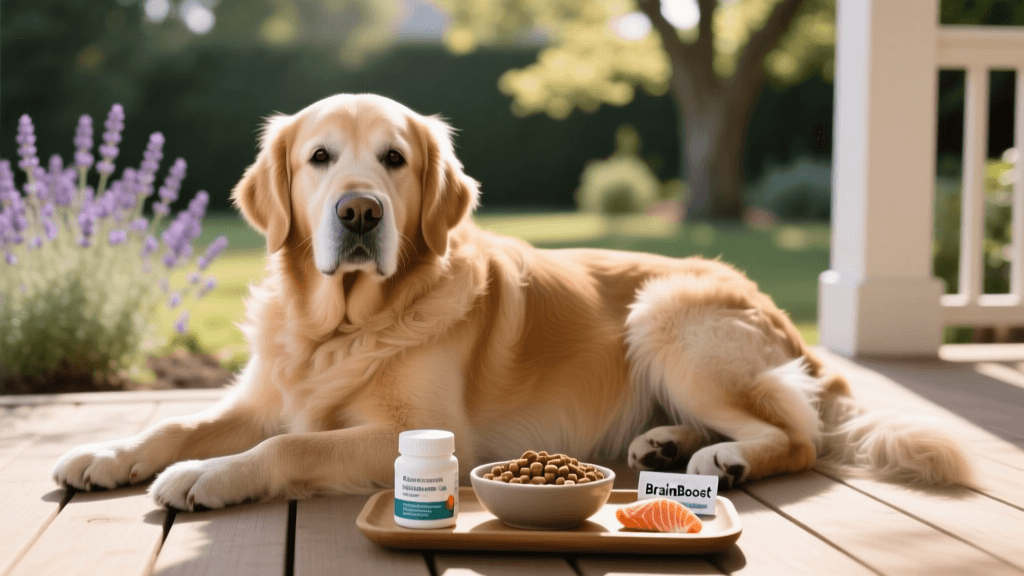
Four to six weeks before your move, schedule a comprehensive senior wellness exam. This is not just a routine check-up; it is a strategic planning session for the transition. Discuss your moving timeline with your veterinarian so they can optimize your dog's pain management protocol. In 2026, veterinary standards heavily favor multi-modal joint therapy. If your dog is not already on a clinical joint supplement, your vet may recommend starting a loading dose of a high-quality glucosamine/chondroitin complex with avocado/soybean unsaponifiables (ASU), such as Dasuquin Advanced or GlycoFlex Max, at least a month prior to the move to build up joint protection.
Additionally, ask your veterinarian about Adequan Canine injections or Librela (bedinvetmab) monthly injections, which have become a cornerstone of 2026 osteoarthritis management. Starting these therapies before the physical stress of packing and moving begins can drastically reduce inflammation and keep your dog comfortable when they need it most.
Cognitive Support: Managing Canine Dementia During Transit
Canine Cognitive Dysfunction Syndrome (CDS) is the equivalent of dementia in humans. Senior dogs with CDS rely heavily on spatial memory and familiar scents to navigate their environment. Uprooting them from a home they have known for years can cause severe disorientation, increased vocalization, and disrupted sleep-wake cycles. The American Kennel Club (AKC) notes that environmental changes can severely exacerbate CDS symptoms, making anxiety management crucial.
To mitigate cognitive stress, begin using a dog-appeasing pheromone (DAP) diffuser, such as Adaptil Calm, in the rooms you are packing up, and continue using it in the transport vehicle and the new home's "safe room." Furthermore, consider incorporating a calming nutraceutical containing L-theanine, L-tryptophan, and hydrolyzed milk protein (e.g., Solliquin or Zylkene) into your dog's daily routine two weeks before the move. For dogs with severe transit anxiety, a properly fitted Thundershirt or compression wrap can provide soothing proprioceptive feedback during the car ride.
Safe Transport: Protecting Aging Joints in Transit
The physical act of loading and unloading your dog is a critical risk point for joint injury. Never force a senior dog to jump into an SUV or a moving truck bed. The impact of landing on unfamiliar or slippery surfaces can cause micro-tears in already compromised ligaments or trigger a slipped disc in dogs prone to IVDD.
Invest in a high-traction, telescoping pet ramp. The PetSafe Happy Ride Telescoping Pet Ramp is a 2026 favorite due to its lightweight aluminum frame and high-friction surface, which accommodates dogs up to 400 pounds while providing a gentle incline. Inside the vehicle, avoid letting your senior dog slide around on leather seats. Use an orthopedic crate mat, such as the K9 Ballistics Tough Orthopedic Mattress, or secure them in a crash-tested harness with plush, supportive padding to absorb road vibrations.
Setting Up Your 2026 Senior-Safe Home
Before bringing your dog into the new house, designate a single, quiet "safe room" that will serve as their basecamp for the first few weeks. This room should contain their familiar bed, water, and toys, and should be heavily stocked with familiar scents from your old home. Avoid washing their bedding right before the move; the familiar scent is deeply grounding for an anxious senior dog.
When setting up the rest of the house, focus on slip-prevention and visibility. Hardwood, laminate, and tile floors are notoriously difficult for senior dogs with weakened hindquarters. Cover high-traffic pathways with non-slip, washable rugs (like those from Ruggable) or interlocking foam mats. Furthermore, senior dogs often suffer from lenticular sclerosis or cataracts, making them hesitant to walk in dimly lit or shadowy areas. Utilize smart home lighting to ensure hallways and staircases are brightly and evenly illuminated during the evening hours, reducing visual confusion and the fear of falling.
The 2026 Senior Dog Relocation Checklist
Use this structured timeline to ensure no aspect of your dog's wellbeing is overlooked during the transition.
| Timeline | Action Item | 2026 Estimated Cost |
|---|---|---|
| 4-6 Weeks Prior | Senior wellness exam, joint supplement loading, and pain management optimization | $150 - $300 |
| 2-3 Weeks Prior | Purchase non-slip rugs, orthopedic safe-room bed, and telescoping ramp | $250 - $450 |
| 1 Week Prior | Begin Adaptil diffuser, start calming nutraceuticals, and avoid washing familiar bedding | $40 - $80 |
| Move Day | Utilize ramp for loading, secure dog in orthopedic travel crate or padded harness | $0 - $150 |
| Post-Move | Set up safe room, install smart lighting for visibility, and establish new walking routes | $50 - $200 |
Post-Move Routine, Diet, and Digestive Health
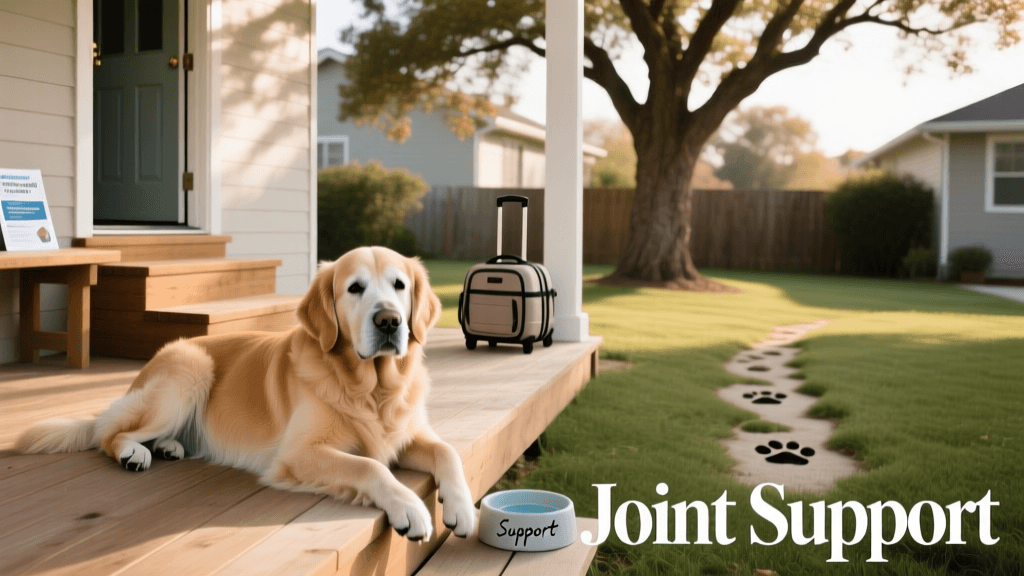
Once you have arrived at your new home, establishing a predictable routine is paramount. Walk your dog on a leash around the perimeter of your new property and the immediate neighborhood to allow them to map the new territory using their olfactory senses. Keep feeding times, potty breaks, and play sessions on the exact same schedule as your old home.
Stress-induced colitis and gastrointestinal upset are incredibly common during life transitions. The ASPCA recommends monitoring your senior dog's appetite and stool quality closely after a move. To support their gut microbiome during this vulnerable window, incorporate a veterinary-recommended probiotic like Proviable-DC or FortiFlora into their meals. If your dog has a history of stress diarrhea, consult your vet about transitioning to a highly digestible, fresh-cooked diet (such as The Farmer's Dog or Nom Nom) which has gained immense popularity in 2026 for its high moisture content and bioavailable nutrients, making it gentle on an aging digestive tract.
Patience and Grace During the Transition
Relocating is a marathon, not a sprint. Your senior dog may exhibit temporary behavioral regressions, such as indoor accidents, clinginess, or a temporary loss of appetite. Respond with patience and positive reinforcement, never punishment. By prioritizing joint health, supporting cognitive function, and carefully curating their new environment, you can transform a potentially traumatic life transition into a smooth, comfortable new chapter for your aging best friend.
anouk-beaumont
All our authors care for dogs every day — read more of their work on the authors page.