Senior Dog Health Guide: Nutrition, Joints, and Aging
Discover essential senior dog care tips covering tailored nutrition, joint supplements, and cognitive support to keep your aging pup healthy and happy.
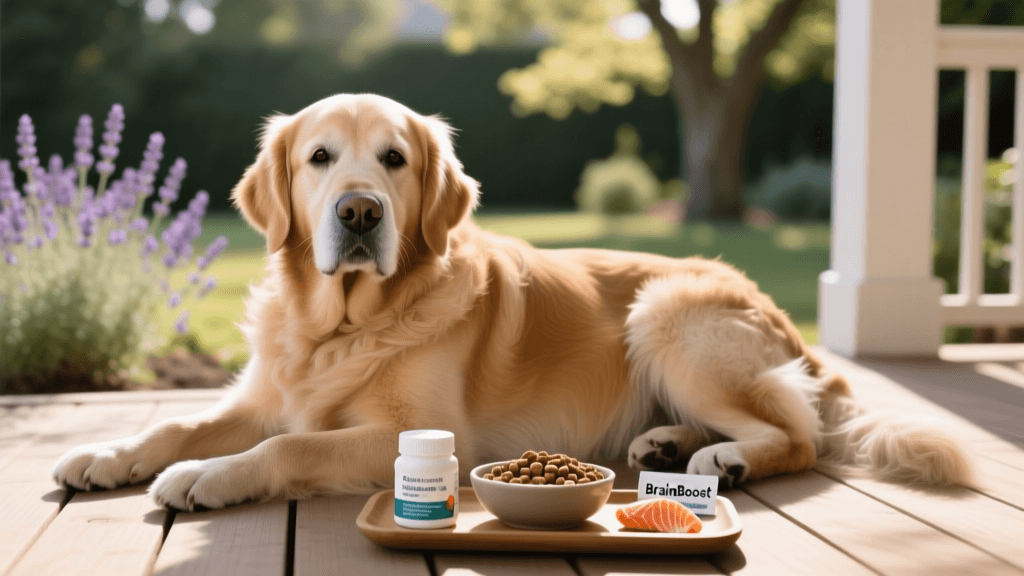
Understanding the Senior Life Stage
Welcoming a dog into their senior years is a profound milestone. However, the transition into the 'senior' life stage is not defined by a single universal birthday. While the general rule of thumb suggests dogs enter their senior years around age seven, the timeline varies drastically based on breed size and genetics. Giant breeds, such as Great Danes or Saint Bernards, may exhibit senior characteristics as early as five or six years old. Conversely, small breeds like Chihuahuas or Toy Poodles might not show signs of aging until they are ten or twelve. According to the American Veterinary Medical Association (AVMA), proactive care during these later years is critical for maintaining a high quality of life, managing chronic conditions, and ensuring your companion remains comfortable.
This comprehensive life stage care guide focuses on the three pillars of senior canine health: targeted nutrition, joint and mobility management, and cognitive support. By implementing actionable strategies and environmental modifications, you can help your aging dog thrive well into their golden years.
Nutritional Shifts for the Aging Canine
As dogs age, their metabolic rate naturally slows down, and their ability to digest and absorb certain nutrients can diminish. Adjusting their diet is one of the most impactful ways to support their overall wellbeing.
The Protein Myth and Muscle Preservation
For decades, a pervasive myth suggested that senior dogs require low-protein diets to protect aging kidneys. Modern veterinary nutrition science has thoroughly debunked this. Unless a dog has been specifically diagnosed with clinical chronic kidney disease (CKD), healthy senior dogs actually require more high-quality, easily digestible protein than younger adults. This is crucial for combating sarcopenia—the age-related loss of muscle mass. The World Small Animal Veterinary Association (WSAVA) Global Nutrition Guidelines emphasize that adequate protein intake is essential for maintaining immune function and lean body mass in aging pets. Look for senior diets where a named animal protein (like chicken, beef, or salmon) is the primary ingredient.
Caloric Management and Digestive Support
Because older dogs are typically less active, their caloric needs often decrease by 10% to 20%. Overfeeding a senior dog can lead to obesity, which places catastrophic stress on aging joints and organs. To manage weight while ensuring satiety, incorporate fiber-rich, low-calorie additions into their meals. Adding one to two tablespoons of plain, unsweetened canned pumpkin puree per meal can aid in digestive regularity and keep your dog feeling full. Additionally, consider feeding smaller, more frequent meals—such as three times a day instead of two—to ease the digestive burden and maintain stable blood sugar levels.
Joint Health and Mobility Management
Osteoarthritis (OA) is one of the most common and debilitating conditions affecting senior dogs, with some estimates suggesting it impacts up to 80% of dogs over the age of eight. Managing joint health requires a multi-modal approach combining supplements, weight management, and environmental adaptations.
Targeted Joint Supplements
While prescription NSAIDs (Non-Steroidal Anti-Inflammatory Drugs) are often necessary for acute pain management, daily nutraceuticals play a vital role in long-term joint preservation. When selecting a joint supplement, look for products that carry the National Animal Supplement Council (NASC) Quality Seal to ensure purity and accurate labeling.
| Active Ingredient | Primary Benefit | Typical Daily Dose (50 lb Dog) | Est. Monthly Cost |
|---|---|---|---|
| Glucosamine HCl | Provides building blocks for cartilage repair | 1000 mg | $15 - $25 |
| Chondroitin Sulfate | Inhibits enzymes that break down cartilage | 800 mg | $20 - $30 |
| Green-Lipped Mussel | Broad-spectrum natural anti-inflammatory | 500 mg | $25 - $40 |
| Omega-3 (EPA/DHA) | Reduces systemic joint inflammation | 1000 mg (combined EPA/DHA) | $15 - $30 |
Actionable Tip: Omega-3 fatty acids are highly susceptible to oxidation. If using a liquid fish oil pump, store the bottle in the refrigerator and discard it 90 days after opening to prevent rancidity, which can actually promote inflammation.
Cognitive Support and Mental Wellbeing
Physical health is only half the equation; mental health is equally vital. Canine Cognitive Dysfunction (CCD) is a neurodegenerative disease similar to Alzheimer's in humans. The American Kennel Club (AKC) notes that CCD affects a significant portion of the senior dog population, manifesting in symptoms like disorientation, altered sleep-wake cycles, and decreased interaction with family members.
Brain-Boosting Supplements and Enrichment
The aging brain becomes less efficient at utilizing glucose for energy. Medium-Chain Triglycerides (MCTs) offer an alternative energy source by converting into ketones, which can cross the blood-brain barrier to fuel cognitive function. You can safely introduce MCT oil into your dog's diet by starting with 1/4 teaspoon per 10 pounds of body weight, gradually increasing to 1 teaspoon per 10 pounds over a few weeks to avoid gastrointestinal upset.
Mental enrichment is just as critical as dietary support. Replace standard food bowls with 'snuffle mats' or interactive puzzle toys that require your dog to forage for their kibble. This low-impact mental stimulation encourages neuroplasticity and helps stave off cognitive decline while accommodating their reduced physical stamina.
Creating a Senior-Friendly Home Environment
Your home environment should adapt to your dog's changing physical capabilities. Slippery hardwood or tile floors can be terrifying and dangerous for a dog with weakened hindquarters. Invest in interlocking foam mats or secure, low-pile area rugs to create 'traction pathways' through high-traffic areas of your home.
Sleep quality is paramount for cellular repair and pain management. Standard polyester-filled dog beds do not provide adequate support for arthritic joints. Upgrade to an orthopedic memory foam bed that is at least 4 inches thick, ensuring the foam does not compress entirely under your dog's weight. Brands specializing in orthopedic support often cost between $150 and $300, but the investment in your dog's daily comfort is invaluable. Furthermore, if your dog struggles to jump into the car or onto the couch, introduce a sturdy, non-slip pet ramp. Training your dog to use a ramp early, before they completely lose their mobility, prevents acute injuries like torn cruciate ligaments.
Preventive Veterinary Care
The standard annual veterinary visit is no longer sufficient for a senior dog. Because dogs age roughly seven times faster than humans, a year-long gap between check-ups can allow diseases to progress unnoticed. Transition to bi-annual (every six months) wellness exams.
Request a comprehensive senior blood panel that includes:
- Complete Blood Count (CBC) and Chemistry Panel: To evaluate liver, kidney, and electrolyte status.
- SDMA Test: A biomarker that can detect kidney function decline much earlier than traditional BUN/Creatinine tests.
- Full Thyroid Panel (T4, Free T4, TSH):strong> Hypothyroidism is common in older dogs and can mimic signs of cognitive decline and lethargy.
- Comprehensive Urinalysis: Crucial for detecting early signs of urinary tract infections, diabetes, and kidney disease.
Aging is not a disease, but it does require a proactive, tailored approach to maintain quality of life. By anticipating your dog's needs, you shift from reactive treatment to proactive wellness.
Conclusion
Caring for a senior dog is a deeply rewarding experience that requires patience, observation, and a willingness to adapt. By optimizing their nutrition with high-quality proteins and targeted joint supplements, safeguarding their cognitive function, and modifying your home to support their changing body, you can ensure your loyal companion enjoys their golden years with dignity and comfort. Always consult with your veterinarian before introducing new supplements or making drastic dietary changes to ensure they align with your dog's specific medical history.
hannah-wickes
All our authors care for dogs every day — read more of their work on the authors page.