FitPaws Canine Conditioning for Agility Joints in 2026
Discover the ultimate 2026 guide to FitPaws canine conditioning and joint care for agility dogs, featuring expert routines, supplements, and injury prevention.
The Evolution of Canine Agility and Joint Health in 2026
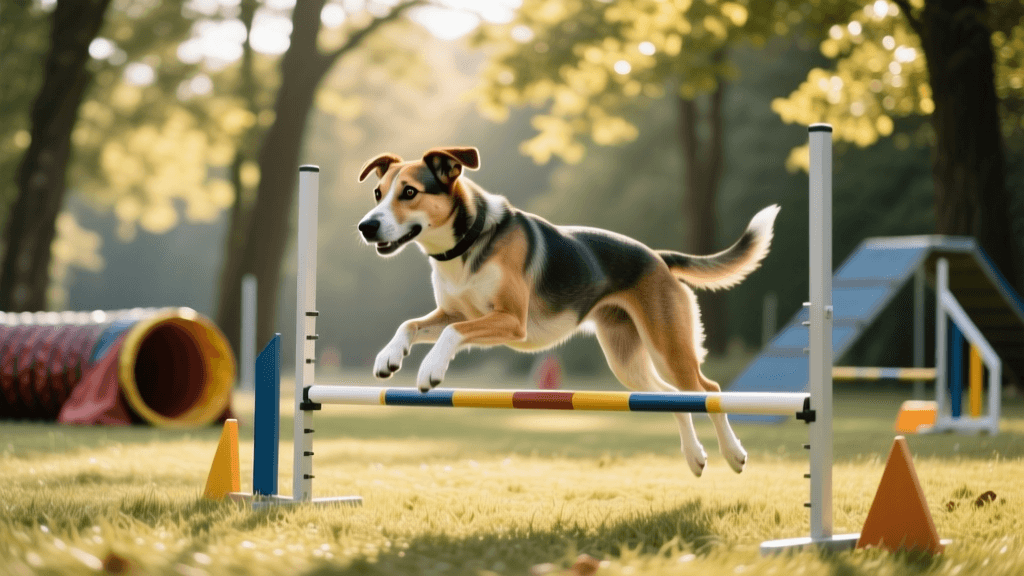
As the 2026 dog sports season kicks into high gear, the demands placed on canine athletes have never been greater. Modern agility courses are faster, more technical, and require explosive power, sharp deceleration, and extreme spinal flexibility. While the thrill of a clean run is unmatched, the repetitive, high-impact nature of the sport takes a significant toll on a dog's musculoskeletal system. For handlers and competitors, proactive joint care and targeted physical conditioning are no longer optional; they are essential prerequisites for a long, healthy, and successful competition career.
In 2026, the gold standard for at-home canine physical therapy and conditioning revolves around specialized equipment, with FitPaws leading the market. By integrating structured proprioceptive exercises, core strengthening, and targeted joint support into your weekly routine, you can drastically reduce the risk of soft tissue injuries and degenerative joint disease. This comprehensive guide will walk you through the biomechanics of agility, the best FitPaws equipment for joint preservation, and a structured 2026 conditioning matrix to keep your canine partner performing at their peak.
The Biomechanics of High-Impact Agility
To understand why conditioning is vital, we must first look at the biomechanical stresses inherent in agility. When a 50-pound Border Collie launches off a jump, lands, and immediately decelerates to enter a weave pole entry, the forces exerted on their carpal (wrist), tarsal (ankle), and shoulder joints can exceed several times their body weight. Furthermore, the repetitive extension and flexion required for the A-frame and dog walk place immense strain on the lumbar spine and sacroiliac joints.
According to the experts at the Cornell University Veterinary Sports Medicine and Rehabilitation service, canine athletes frequently suffer from micro-traumas that accumulate over time. Without adequate core strength to stabilize the spine, and without proper proprioception to ensure precise foot placement, these micro-traumas evolve into clinical injuries such as iliopsoas strains, carpal hyperextension, and early-onset osteoarthritis. Conditioning programs that focus on stabilizing muscles and joint awareness are the most effective preventive measures available to handlers today.
Essential FitPaws Equipment for the 2026 Competitor
FitPaws has revolutionized canine fitness by providing veterinary-recommended, durable, and highly effective conditioning tools. Here is a breakdown of the essential equipment every agility handler should have in their 2026 training arsenal.
The FitPaws Peanut: Core Stability and Spinal Alignment
The FitPaws Peanut is arguably the most versatile piece of canine conditioning equipment available. Its unique peanut shape prevents the ball from rolling away too quickly, making it safer for dogs to mount and balance. For agility dogs, the Peanut is critical for building the deep core muscles that support the spine during extreme flexion and extension. Exercises such as 'sit to stand' transitions on the Peanut force the dog to engage their abdominal and epaxial muscles, creating a natural 'corset' of muscle that protects the lumbar vertebrae during tight turns and jump landings.
K9 FitBone and Paw Pods: Proprioception and Limb Loading
Proprioception—the body's ability to perceive its own position in space—is crucial for navigating complex agility sequences. The K9 FitBone and the smaller Paw Pods are designed to challenge a dog's balance and force them to think about where their feet are. By asking your dog to place their front paws on two Paw Pods and hold a 'stand-stay', you are isolating the hind limbs and encouraging them to bear weight evenly. This is particularly beneficial for identifying and correcting subtle weight-shifting behaviors that often indicate early joint discomfort or minor soft-tissue soreness.
The Rocker Board: Carpal and Tarsal Joint Flexion
The FitPaws Rocker Board is a specialized tool designed to improve the range of motion in the lower extremities. By standing on the gently rocking surface, the dog must constantly make micro-adjustments in their carpal and tarsal joints to maintain balance. This dynamic loading stimulates the production of synovial fluid, which lubricates the joints and nourishes the articular cartilage. In the fast-paced 2026 agility environment, where split-second braking is required, maintaining optimal joint fluidity and ligament strength in the lower legs is paramount.
The 2026 Weekly Conditioning Matrix
Consistency is the cornerstone of any successful canine fitness program. Below is a structured weekly conditioning matrix designed for an active agility dog. This routine is meant to supplement, not replace, regular agility training and daily cardiovascular exercise.
| Day | Primary Focus | Equipment Used | Key Exercises & Duration |
|---|---|---|---|
| Monday | Core & Spinal Stability | FitPaws Peanut | Sit-to-stand (3 sets of 10), Beg position holds (3 x 15 sec). Total: 15 mins. |
| Tuesday | Active Recovery & Stretching | None (Flat ground) | Spinal bait stretches, play bows, figure-eight weaving. Total: 10 mins. |
| Wednesday | Proprioception & Hind End | Paw Pods, K9 FitBone | Front paws on Pods/Hind paws on bone (3 x 20 sec), Hind limb weight shifts. Total: 15 mins. |
| Thursday | Rest or Light Cardio | None | Leash walking on varied terrain (grass, sand, hills). Total: 20-30 mins. |
| Friday | Joint Mobility & Balance | Rocker Board, Discs | Four-paw balance on Rocker Board (3 x 30 sec), Side-stepping over poles. Total: 15 mins. |
| Saturday | Agility Training / Trial | Agility Equipment | Full warm-up protocol, course runs, mandatory cool-down stretches. |
| Sunday | Deep Recovery & Massage | None | Canine sports massage, passive range of motion (PROM) for all limbs. Total: 20 mins. |
Nutritional Support and Joint Supplements in 2026
Physical conditioning must be paired with internal joint support. The veterinary sports medicine field has seen significant advancements in nutraceuticals over the last few years. The American College of Veterinary Sports Medicine and Rehabilitation (ACVSMR) frequently highlights the importance of early intervention with joint supplements for high-impact sporting dogs, rather than waiting for clinical signs of osteoarthritis to appear.
For the 2026 competition season, the most highly recommended supplement for agility dogs is Nutramax Dasuquin Advanced. This formulation goes beyond standard glucosamine and chondroitin by including ASU (Avocado/Soybean Unsaponifiables), which has been clinically shown to reduce cartilage degradation and inhibit inflammatory markers in the joint space. Additionally, it contains Boswellia serrata extract and Hyaluronic Acid, which work synergistically to improve synovial fluid viscosity and reduce joint stiffness after intense weekend trials.
Another critical component of joint health is the inclusion of high-quality Omega-3 fatty acids, specifically EPA and DHA derived from wild-caught fish oils. Omega-3s act as powerful natural anti-inflammatories, helping to mitigate the systemic inflammation caused by the micro-traumas of agility training. When selecting a fish oil, ensure it is packaged in an opaque, airless pump bottle to prevent oxidation, which renders the fatty acids ineffective and potentially harmful.
Dynamic Warm-Ups and Cool-Downs: The Non-Negotiables
According to guidelines published by the American Kennel Club (AKC) regarding canine sports safety, stepping out of the crate and directly onto the agility course is a recipe for disaster. A proper dynamic warm-up increases blood flow to the muscles, raises the core body temperature, and prepares the nervous system for explosive movements.
The Pre-Run Warm-Up: Spend at least 10 minutes before your run engaging in active movements. This includes trotting on a loose leash, performing large figure-eight patterns between your legs to mobilize the spine, and executing 'play bows' to stretch the shoulder and chest muscles. Avoid static, prolonged stretching before a run, as this can temporarily decrease muscle power output.
The Post-Run Cool-Down: After your run, the goal is to flush lactic acid from the muscles and gently return the heart rate to baseline. Walk your dog on a leash for 5 to 10 minutes. Once they are cool to the touch, perform gentle static stretches, such as coaxing them to touch their nose to their hip (lateral spinal flexion) and offering a treat between their front paws to stretch the cervical spine and shoulders.
Final Thoughts on Longevity in the Sport
Agility is a deeply rewarding partnership between human and dog, but it requires a profound commitment to the canine athlete's physical wellbeing. By utilizing specialized equipment like the FitPaws Peanut and Rocker Board, adhering to a structured weekly conditioning matrix, and providing top-tier nutritional support, you are investing in your dog's long-term health. As we progress through the 2026 competition year, remember that the ultimate goal is not just a qualifying score or a championship title, but ensuring your dog remains happy, sound, and eager to play for years to come.
anouk-beaumont
All our authors care for dogs every day — read more of their work on the authors page.