Healing Your Rescue: A Guide to Rehabilitating Malnourished Dogs
Learn how to safely rehabilitate a malnourished rescue dog with our expert guide on refeeding syndrome, weight gain diets, and veterinary care.

The Rescue Reality: Confronting Canine Malnutrition
Bringing a rescue dog into your home is a profoundly rewarding experience, but it often comes with unique health and wellbeing challenges. Among the most heartbreaking and complex Adoption & Rescue Stories are those involving severely malnourished dogs. Whether pulled from a hoarding situation, found as a stray, or rescued from neglect, these dogs arrive with prominent ribs, dull coats, and severe muscle wasting. As a rescue advocate or adoptive parent, your immediate instinct is likely to feed them as much as possible to help them gain weight quickly. However, this well-intentioned approach can be incredibly dangerous. Proper nutritional rehabilitation requires a strategic, measured, and scientifically backed approach to restore their health without causing fatal metabolic complications.
The Hidden Danger: Understanding Refeeding Syndrome
When a dog has been starved or severely underfed for an extended period, their body adapts by breaking down fat and muscle for energy, shifting away from carbohydrate metabolism. If you suddenly introduce a large volume of food—especially carbohydrates—their body experiences a massive spike in insulin. This insulin surge drives electrolytes like phosphorus, potassium, and magnesium rapidly into the cells, leaving the bloodstream dangerously depleted. This condition, known as Refeeding Syndrome, can lead to severe lethargy, muscle tremors, seizures, hemolysis (destruction of red blood cells), and even heart failure. According to the American Veterinary Medical Association (AVMA), any dog with a history of prolonged starvation requires careful veterinary supervision and a gradual reintroduction to calories to prevent these life-threatening metabolic shifts.
Calculating Resting Energy Requirements (RER)
To safely rehabilitate a malnourished rescue, you must calculate their Resting Energy Requirement (RER). RER is the number of calories your dog's body needs at rest to maintain basic cellular functions. It is crucial to base your initial feeding plan on the dog's current starved weight, not their ideal target weight, to avoid overwhelming their compromised digestive system.
The standard veterinary formula for RER is:
RER = 70 x (Body Weight in kg)^0.75
For example, if you adopt a severely emaciated Labrador mix who currently weighs 15 kg (approx. 33 lbs), but their ideal weight is 25 kg, you calculate the RER based on the 15 kg weight. The RER for a 15 kg dog is approximately 530 calories per day. During the first few days of rehabilitation, you will only feed a fraction of this amount.
The 14-Day Refeeding Protocol
The golden rule of rescue nutrition is "low and slow." You must gradually increase caloric intake over a two-week period while dividing the food into multiple small, easily digestible meals. Below is a structured refeeding schedule based on standard veterinary nutrition guidelines.
| Timeframe | Target Intake | Meals Per Day | Food Type / Notes |
|---|---|---|---|
| Days 1 - 3 | 25% of RER | 4 to 6 small meals | Highly digestible wet food; monitor for vomiting. |
| Days 4 - 6 | 50% of RER | 4 meals | Introduce veterinary recovery diets; add water. |
| Days 7 - 9 | 75% of RER | 3 meals | Gradually transition to high-quality kibble/wet mix. |
| Days 10 - 14 | 100% of RER | 2 to 3 meals | Recalculate RER based on new weight gain. |
| Day 15+ | 125% - 150% of RER | 2 meals | Caloric surplus for steady, safe weight gain. |
Recommended Diets and Targeted Supplements
During the initial recovery phase, highly digestible, calorie-dense veterinary diets are essential. Products like Hill's Prescription Diet a/d Urgent Care or Royal Canin Veterinary Diet Recovery RS are specifically formulated for critical care nutrition. These canned diets cost approximately $4.00 to $6.00 per can and provide high protein and fat content with minimal residue, making them gentle on an atrophied digestive tract.
Once the dog stabilizes, incorporating targeted supplements can dramatically improve their coat, joint health, and immune function:
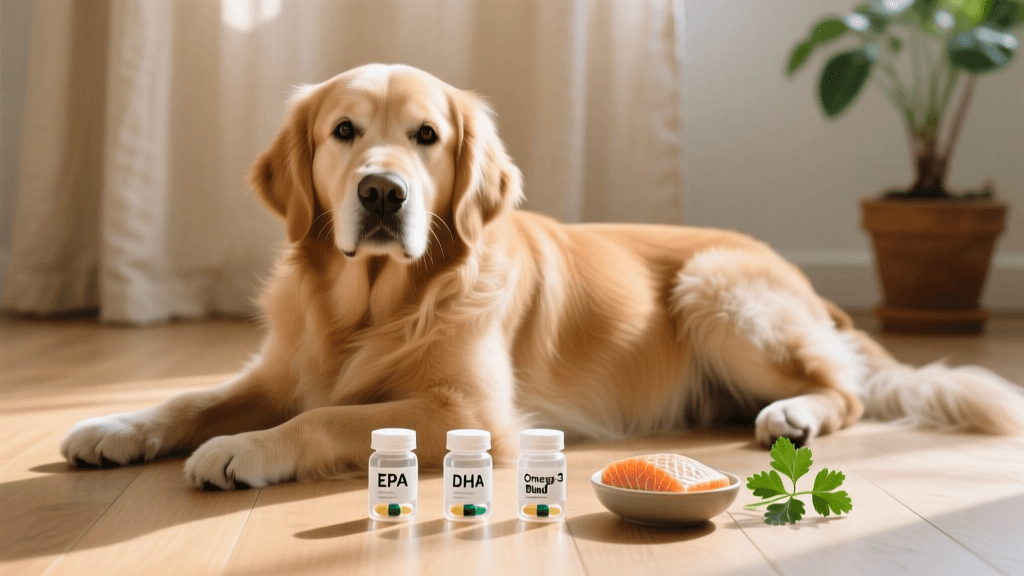
- Omega-3 Fatty Acids: Starvation severely depletes the skin's lipid barrier. Adding Nordic Naturals Omega-3 Pet (approx. $25 per bottle) at a dose of 1 pump per 10 lbs of body weight daily will reduce systemic inflammation and promote a healthy coat.
- Probiotics: The gut microbiome of a neglected dog is often decimated. Purina FortiFlora (approx. $30 for 30 packets) is a veterinary-grade probiotic. Sprinkle one packet over their daily food to restore intestinal flora and improve nutrient absorption.
- Multivitamins: A supplement like Zesty Paws Multivitamin Chews ($28 for 90 chews) can help bridge the gap in micronutrients like Vitamin E and B-complex vitamins, which are crucial for neurological recovery.
For deeper insights into evaluating your dog's progress, the Tufts Cummings Veterinary Medical Center provides excellent resources on utilizing Body Condition Scoring (BCS) to ensure your rescue is gaining muscle and healthy fat, rather than just accumulating excess visceral fat.
Essential Veterinary Screenings and Expected Costs
Nutritional rehabilitation must be paired with a comprehensive medical workup. Malnourished dogs have compromised immune systems, making them highly susceptible to parasites and underlying infections. Budget for the following essential veterinary procedures during your first week of adoption:
- Comprehensive CBC and Chemistry Panel ($150 - $250): Checks organ function, red and white blood cell counts, and baseline electrolyte levels to monitor for refeeding syndrome.
- Heartworm Antigen Test ($50 - $70): Crucial for any rescue of unknown origin. Treatment for heartworm disease is expensive and physically taxing, so early detection is vital.
- Fecal Floatation and Giardia Panel ($60 - $90): Identifies intestinal parasites that steal vital nutrients from your dog's food.
- Broad-Spectrum Dewormer ($20 - $40): Medications like Panacur (fenbendazole) or Drontal Plus are often administered prophylactically.
"The hardest part of fostering a starved rescue isn't the medical bills or the frequent feedings; it's the patience required to let their body heal at its own pace. You want to fix everything overnight, but true rehabilitation is a marathon of small, daily victories." — Sarah Jenkins, Senior Intake Coordinator at Safe Haven Rescue.
Long-Term Wellness and Behavioral Health
Physical rehabilitation is only half the battle. The mental health of a rescue dog is deeply intertwined with their physical wellbeing. A dog that has experienced starvation often develops severe food anxiety, resource guarding, or scavenging behaviors. It is vital to implement the "3-3-3 Rule" of rescue adoption: allowing 3 days for decompression, 3 weeks to learn your routine, and 3 months to truly feel at home.
Feed your dog in a quiet, low-traffic area to reduce stress. Avoid hovering over them while they eat, as this can trigger defensive aggression. Instead, practice positive reinforcement by occasionally tossing high-value treats (like freeze-dried chicken liver) into their bowl from a distance, teaching them that human proximity to their food results in good things, not deprivation.
As noted in the ASPCA's General Dog Care guidelines, establishing a predictable daily routine for feeding, walking, and resting is foundational to a rescue dog's overall sense of security. By combining meticulous nutritional science with compassionate behavioral support, you can help your malnourished rescue transform into a vibrant, healthy, and deeply bonded companion.
hannah-wickes
All our authors care for dogs every day — read more of their work on the authors page.