Adopting Anxious Dogs: 2026 Home Prep & Decompression Guide
Discover the 2026 Decompression First protocol for anxious rescue dogs. Learn how to set up a calming safe space and manage reactivity from day one.
Adopting a rescue dog with a history of trauma, reactivity, or severe anxiety is a profoundly rewarding journey, but it demands a strategic departure from traditional new pet advice. As we navigate dog ownership in 2026, veterinary behaviorists and certified trainers have largely moved away from the rigid, time-based expectations of the past. Instead, the modern consensus champions the 'Decompression First' model. This approach prioritizes nervous system regulation before any formal training, socialization, or house tours begin.
If you are preparing to bring home a reactive or anxious rescue, your home environment and first-week protocols will dictate your long-term success. Forcing an overwhelmed dog into a highly stimulating environment can trigger regression, fear-based aggression, and chronic stress. Here is your comprehensive, up-to-date guide to setting up a decompression zone and managing early-stage anxiety in 2026.
The Shift to the 'Decompression First' Philosophy
Historically, new owners were encouraged to socialize their rescue dogs immediately to help them 'get used to' the house, family, and neighborhood. Today, experts recognize that a dog transitioning from a shelter or foster home is operating in a state of chronic cortisol and adrenaline overload. According to the American Kennel Club (AKC), an anxious dog cannot learn new behaviors or form secure attachments until their autonomic nervous system has returned to a baseline state of calm.
The Decompression First model dictates that the dog's world should be intentionally small, quiet, and predictable for the first one to three weeks. By removing the pressure to perform, socialize, or explore, you allow the dog's brain chemistry to stabilize, making them far more receptive to positive reinforcement training later on.
Designing the Ultimate 2026 Decompression Zone
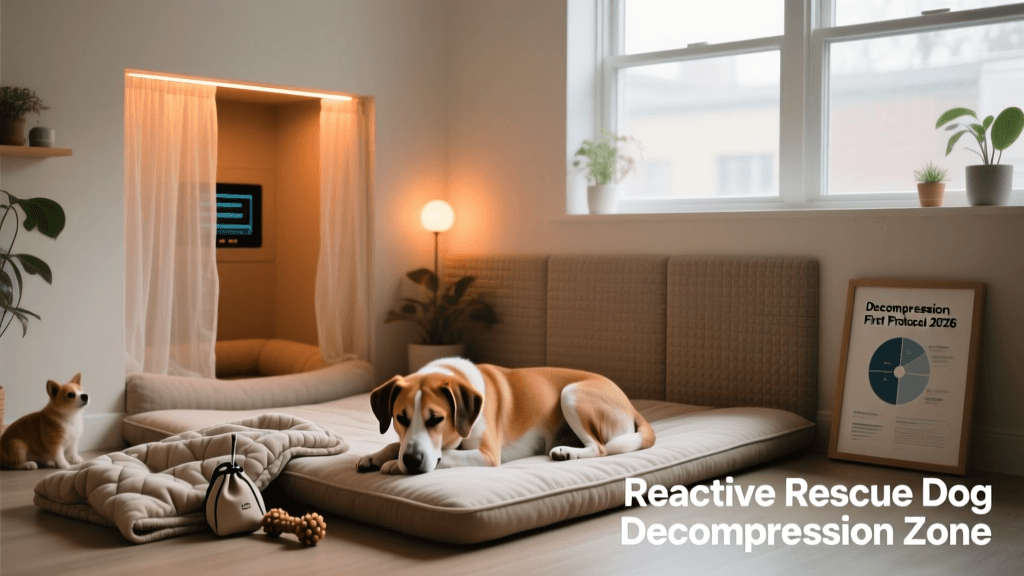
A decompression zone is not a crate; it is a dedicated, low-stimulus sanctuary where the dog can observe their new environment without feeling trapped or overwhelmed. An interior room, a gated-off quiet corner of a bedroom, or a low-traffic home office works best.
Spatial and Visual Control
Visual triggers are a primary cause of reactivity in rescue dogs. If your safe space has a window facing the street, apply a static-cling frosted window film (such as the Rabbitgoo 3D Frosted Film) to the bottom half of the glass. This allows natural light to enter while blocking the sight of passing cars, pedestrians, or neighborhood dogs that could trigger a barking or lunging episode.
Auditory Masking
Shelter environments are notoriously loud, making sudden household noises terrifying for a newly adopted dog. Utilize a high-fidelity sound machine like the YogaSleep Rohm Plus or the Hatch Restore 2. In 2026, behaviorists highly recommend utilizing 'brown noise' or 'pink noise' settings rather than pure white noise, as the lower frequencies are far more effective at masking the thud of footsteps, closing doors, and distant traffic.
Olfactory Regulation
Scent plays a massive role in canine emotional regulation. Plug in an Adaptil Optimum diffuser in the decompression zone at least 24 hours before the dog arrives. The advanced pheromone complex mimics the comforting messages a mother dog sends to her puppies, clinically proven to reduce signs of stress and encourage a feeling of safety in unfamiliar environments.
The First 72 Hours: A Step-by-Step Protocol
The first three days are critical for establishing trust and predictability. Follow this strict protocol to minimize stress.
Hours 1 to 12: Arrival and Potty
When you bring the dog home, attach a 15-foot biothane long-line leash. Take them directly to a designated, quiet potty spot in the yard. Allow them to sniff and eliminate without pressure. Once finished, guide them directly into their decompression zone. Do not give them a tour of the house. Unrestricted access to a large, unfamiliar space is deeply overwhelming for an anxious dog.
Hours 12 to 24: Passive Presence and Feeding
Spend time in the room with the dog, but do not force interaction. Sit on the floor, read a book, or work on your laptop while ignoring the dog. Toss high-value treats (like boiled chicken or freeze-dried liver) near them without making direct eye contact. This teaches the dog that your presence predicts good things without the pressure of physical touch.
Hours 24 to 72: Establishing a Predictable Rhythm
Anxiety thrives on unpredictability. Establish a rigid schedule for feeding, potty breaks, and enrichment. Feed meals inside the decompression zone using puzzle feeders or snuffle mats to encourage natural foraging behaviors, which naturally lower a dog's heart rate. According to the ASPCA, maintaining a consistent daily routine is one of the most effective ways to build confidence in an insecure rescue dog.
Essential Gear for Anxious Dog Home Prep
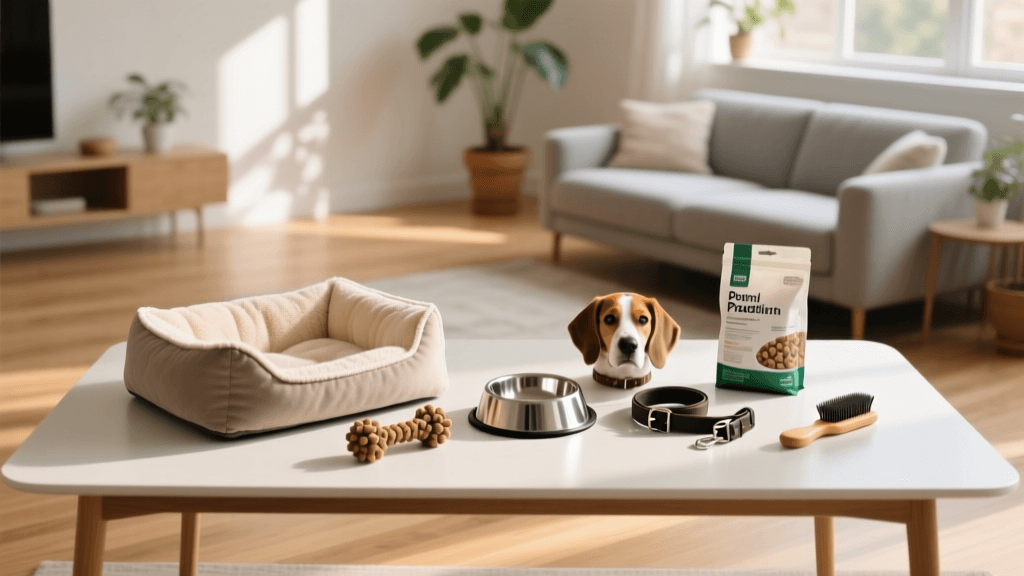
Investing in the right tools can drastically shorten the decompression period. Below is a breakdown of the most effective gear for managing a reactive or anxious rescue in 2026.
| Item | Primary Purpose | Est. 2026 Cost | Top Recommendation |
|---|---|---|---|
| Adaptil Optimum Diffuser | Olfactory calming via synthetic pheromones | $45 - $55 | Adaptil Optimum Starter Kit |
| Sound Machine | Auditory masking and noise dampening | $40 - $60 | YogaSleep Rohm Plus |
| Long-Line Leash | Safe, low-pressure potty breaks | $25 - $40 | Mendota Slip Lead (15ft) |
| Lick Mat | Soothing repetitive licking behavior | $12 - $18 | Hyper Pet IQ Treat Mat |
| Snuffle Mat | Mental stimulation and foraging enrichment | $20 - $35 | Paw5 Wooly Snuffle Mat |
Recognizing Subtle Stress Signals
Many new owners mistake a quiet, shut-down dog for a 'calm' dog. In reality, a dog that is completely still and unresponsive may be experiencing learned helplessness or extreme fear. It is vital to learn the subtle canine body language cues that indicate your dog is over threshold.
- Whale Eye: The dog turns its head away but keeps its eyes fixed on you or a trigger, showing the whites of their eyes.
- Lip Licking and Yawning: When not related to food or tiredness, these are classic displacement behaviors indicating internal conflict or stress.
- Shaking Off: If your dog shakes their entire body vigorously after an interaction or a loud noise, they are literally trying to 'shake off' the adrenaline spike.
- Panting: Rapid, shallow panting in a cool room is a primary indicator of an elevated heart rate and anxiety.
If you observe these signs, immediately reduce the environmental demands. Give the dog space, lower your voice, and allow them to retreat to their safe zone. The American Veterinary Medical Association (AVMA) emphasizes that understanding and respecting these subtle boundaries is the foundation of preventing fear-based biting and reactivity.
Enrichment Without Overstimulation
While physical exercise might be limited during the initial decompression phase, mental enrichment is crucial. Mental fatigue is often more effective at burning off anxious energy than a long walk. Utilize frozen Kongs stuffed with dog-safe peanut butter and plain yogurt, or scatter kibble across a snuffle mat. Avoid high-arousal games like fetch or tug-of-war during the first two weeks, as these can elevate adrenaline levels and trigger reactive outbursts in dogs with poor impulse control.
When to Bring in a Professional
While the Decompression First model works wonders for general anxiety and mild reactivity, some dogs require professional intervention. If your dog exhibits severe resource guarding, redirected aggression, or refuses to eat or potty for more than 24 hours due to fear, it is time to call a professional. Look for a certified behaviorist accredited by the International Association of Animal Behavior Consultants (IAABC) or a board-certified veterinary behaviorist (DACVB). These professionals can design a customized behavior modification plan and, if necessary, discuss modern 2026 anti-anxiety medications that can help lower your dog's chemical threshold so that learning can occur.
Conclusion
Bringing home a reactive or anxious rescue dog is an exercise in patience, empathy, and environmental management. By embracing the 2026 Decompression First protocol, setting up a dedicated sensory-safe zone, and honoring your dog's need for time and space, you lay the groundwork for a deeply bonded, trusting relationship. Remember that progress is rarely linear; celebrate the small victories, respect the bad days, and trust the process of decompression.
robin-maitland
All our authors care for dogs every day — read more of their work on the authors page.