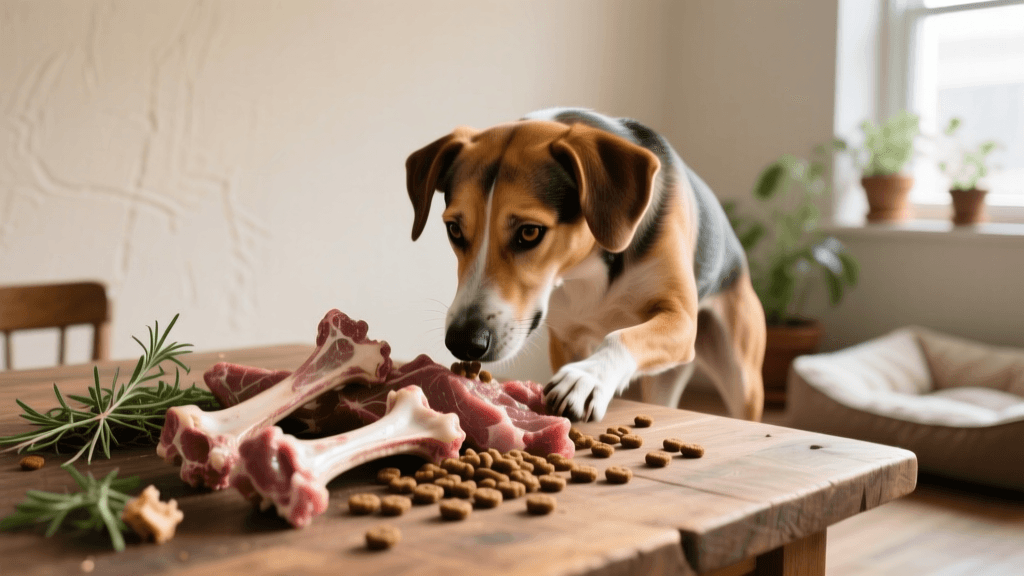
Raw Diet Psychology: Satisfying Canine Foraging Instincts in 2026
Discover how raw diets and fresh food puzzles satisfy your dog's natural foraging instincts, reduce anxiety, and improve behavioral health in 2026.
The Intersection of Canine Psychology and Fresh Nutrition
Understanding your dog requires looking far beyond basic obedience and command training; it demands a deep appreciation for their evolutionary biology and psychological needs. As we navigate the canine wellness landscape in 2026, the shift toward raw, fresh, and alternative diets has evolved from a niche nutritional trend into a scientifically backed behavioral tool. Veterinary behaviorists and canine psychologists now widely recognize that how a dog eats is just as critical to their mental health as what they eat.
For decades, the standard practice of scooping dry kibble into a stainless steel bowl has stripped dogs of their natural foraging, tearing, and chewing instincts. This disconnect often manifests in modern behavioral issues, including anxiety, hyperactivity, and destructive chewing. By reintroducing raw meaty bones (RMBs), fresh food puzzles, and biologically appropriate textures, we can tap into the deep-seated psychological drives of our canine companions, providing profound mental enrichment that kibble simply cannot offer.
The Neuroscience of the Canine Chew
To understand why a raw diet impacts behavior, we must first examine the neuroscience of chewing and licking. According to behavioral research highlighted by the American Kennel Club, chewing is a self-soothing mechanism for dogs. The physical act of gnawing on a raw meaty bone triggers the release of endorphins and dopamine in the canine brain, effectively lowering their heart rate and reducing cortisol (stress hormone) levels.
When a dog crunches on kibble, the chewing session lasts only a few seconds per bite. In contrast, shearing meat from a raw turkey neck or working through a frozen fresh-food puzzle requires sustained, focused effort. This prolonged engagement satisfies the dog's innate 'seeking' circuit—the neurological pathway responsible for foraging and problem-solving. A dog that spends 30 minutes working for their raw meal is a dog that is mentally exhausted, calm, and psychologically fulfilled.
Matching Raw Textures to Breed-Specific Instincts
Not all dogs interact with food in the same way. Breed genetics heavily influence a dog's jaw mechanics and prey drive, which should dictate the type of raw or fresh enrichment you provide in 2026.
- Terriers (e.g., Jack Russell, Rat Terrier): Bred to hunt and dispatch small prey, terriers thrive on the 'shake and tear' instinct. Providing smaller, whole raw prey items like quail, duck necks, or sardines allows them to express their natural predatory sequence without directing that energy toward household items or smaller pets.
- Retrievers and Spaniels (e.g., Golden Retriever, Cocker Spaniel): These breeds possess a 'soft mouth' and a strong carrying drive. They often prefer to take their raw meaty bones, such as beef trachea or lamb ribs, to a designated mat or bed to chew in peace, satisfying their instinct to secure and hoard resources.
- Mastiffs and Guardian Breeds (e.g., Cane Corso, Great Pyrenees): Equipped with immense bite force, these dogs require dense, large-scale raw items like beef knuckle bones or whole raw goat ribs to provide adequate resistance and prevent them from swallowing items whole, which poses a choking hazard.
The 2026 Fresh Food Enrichment Matrix
Integrating fresh and raw diets into daily enrichment routines is one of the most effective ways to manage canine anxiety and boredom. Below is a structured guide to matching specific behavioral goals with raw and fresh diet solutions.
| Behavioral Goal | Recommended Fresh/Raw Enrichment | Psychological Benefit | Preparation Time |
|---|---|---|---|
| Alleviating Separation Anxiety | Frozen West Paw Toppl stuffed with raw goat milk kefir and blueberries | Licking releases calming endorphins; keeps dog occupied during owner departure | 5 mins prep + 4 hours freezing |
| Reducing Destructive Chewing | Raw, meaty beef rib bones (supervised) | Satisfies intense jaw pressure needs and natural bone-crunching instincts | None (serve thawed) |
| Slowing Down Fast Eaters | Snuffle mat sprinkled with freeze-dried raw beef liver and fresh green tripe | Engages the olfactory system and mimics natural ground-foraging behaviors | 3 mins setup |
| Building Confidence in Shy Dogs | Scatter-feeding raw meatballs in a novel environment (e.g., backyard grass) | Encourages environmental exploration and builds positive associations with new spaces | 5 mins prep |
Addressing Resource Guarding with High-Value Fresh Foods
A common concern among dog owners transitioning to a raw diet in 2026 is the potential for resource guarding. Because raw meaty bones and fresh meats are inherently higher in value to a dog than dry kibble, some dogs may initially exhibit protective behaviors, such as stiffening, growling, or eating at an accelerated pace.
Understanding your dog's body language is critical here. A stiff tail, pinned ears, and 'whale eye' (showing the whites of the eyes) while chewing a raw bone indicate anxiety over losing the resource. Rather than punishing this natural instinct, behavioral psychologists recommend the 'Trade-Up Game.' If your dog has a raw turkey neck, approach calmly and offer a piece of high-value fresh food, such as freeze-dried minnow or a chunk of raw beef heart. When the dog drops the bone to take the treat, calmly pick up the bone, give the treat, and then return the bone. This psychological conditioning teaches the dog that human proximity to their high-value raw food predicts more good things, not the loss of their prized possession.
Frozen Fresh Food Puzzles: The Ultimate Anxiety Reducer
One of the most significant advancements in canine behavioral enrichment over the last few years is the strategic use of frozen fresh foods. Licking is a self-soothing behavior rooted in puppyhood, when nursing provided both nutrition and comfort. By utilizing silicone lick mats or hollow rubber toys filled with fresh, biologically appropriate ingredients and freezing them, you can create a powerful tool for managing stress during thunderstorms, fireworks, or grooming sessions.
A popular 2026 recipe for anxiety reduction includes a base of raw, unfiltered goat milk (rich in probiotics and easily digestible fats), blended with fresh sardines (high in Omega-3 fatty acids, which support neurological health) and a dash of bone broth. Freezing this mixture transforms a two-minute snack into a 20-minute psychological decompression session.
Safety, Balance, and Veterinary Consensus
While the behavioral benefits of raw and fresh diets are profound, psychological enrichment must never come at the expense of nutritional balance or physical safety. The Tufts University Cummings Veterinary Medical Center consistently emphasizes that homemade or loosely formulated raw diets can lead to severe nutritional deficiencies, which can, in turn, cause neurological and behavioral abnormalities. If you are feeding a raw diet as your dog's primary nutrition in 2026, it is imperative to consult with a board-certified veterinary nutritionist to ensure the diet meets all macro and micronutrient requirements.
Furthermore, the World Small Animal Veterinary Association (WSAVA) provides global guidelines stressing the importance of safe food handling. Raw meat carries a risk of bacterial pathogens like Salmonella and Listeria. Protecting your household—and your dog's gastrointestinal tract—requires strict hygiene protocols, including washing all enrichment toys with hot, soapy water after every use and thawing raw meaty bones in the refrigerator, never at room temperature.
Conclusion: Feeding the Mind, Not Just the Body
As our understanding of canine psychology deepens, the way we feed our dogs must evolve. The raw, fresh, and alternative diet movement of 2026 is no longer just about achieving a shinier coat or firmer stools; it is about honoring the wolf within the living room. By providing raw meaty bones that satisfy their jaw mechanics, and fresh food puzzles that engage their foraging instincts, we offer our dogs a life of mental richness. Understanding your dog means recognizing that every meal is an opportunity for behavioral enrichment, turning a basic biological necessity into a profound psychological reward.
marcus-aldridge
All our authors care for dogs every day — read more of their work on the authors page.