Mastering Recall Training With Raw Food Rewards 2026
Discover how to use freeze-dried raw and fresh meat rewards to master high-distraction recall training for your dog in 2026. Boost focus and obedience.
The Evolution of Canine Motivation in 2026
As we navigate the dog training landscape in 2026, the integration of species-appropriate nutrition and behavioral conditioning has reached new heights. Professional trainers and veterinary behaviorists increasingly recognize that the quality of a reward directly dictates the reliability of a learned behavior, especially in high-stakes scenarios like emergency recall. While traditional kibble and processed biscuits still have their place in low-distraction environments, mastering a bulletproof recall in high-distraction environments requires leveraging a dog's primal biological drives. This is where raw, fresh, and alternative diets transition from the food bowl into the training pouch.
The shift toward raw and fresh food rewards is not merely a trend; it is rooted in canine evolutionary biology. Dogs possess up to 300 million olfactory receptors in their noses, compared to our mere 6 million. When you ask a dog to abandon the intoxicating scent of a squirrel, a discarded food wrapper, or another dog, you must offer a reward that biologically overrides those environmental stimuli. In 2026, top-tier obedience competitors and everyday pet owners alike are utilizing freeze-dried raw meats, air-dried fresh proteins, and whole raw prey items to create an irresistible value system that makes coming back to the handler the most rewarding choice the dog can make.
The Science of Scent: Why Raw and Fresh Foods Win
Processed commercial treats are often coated with artificial flavorings or animal fats to increase palatability. However, these scents are one-dimensional and quickly fade. In contrast, the volatile organic compounds (VOCs) released by raw and fresh meats are incredibly complex. According to the World Small Animal Veterinary Association (WSAVA), understanding a dog's nutritional and biological needs is paramount to their overall cognitive and physical function. When a dog catches the scent of raw venison, fresh sardines, or freeze-dried beef liver, it triggers a deep-seated predatory and foraging response in the brain's limbic system.
This olfactory stimulation increases dopamine production, which is the neurotransmitter responsible for motivation, focus, and reward-based learning. When a dog associates the cue "Come!" with the complex, biologically appropriate scent of raw meat, the neural pathway formed is significantly stronger than one formed with a dry, starchy biscuit. This biological advantage is precisely why alternative diet enthusiasts report faster acquisition times and higher reliability rates when teaching advanced obedience and recall commands.
Selecting the Best Raw and Fresh Rewards for Recall
Not all raw and fresh rewards are created equal. When building your training arsenal for 2026, it is essential to categorize your rewards by value and convenience. Here are the top categories of alternative diet rewards used by modern trainers:
1. Freeze-Dried Raw Single-Ingredient Bites
Freeze-dried raw options, such as Stella & Chewy's Single Ingredient Bites or Primal Pet Foods Pork Nibs, are the workhorses of raw reward training. The freeze-drying process locks in the complex scent profile and nutrients of raw meat while removing moisture, making them shelf-stable and easy to carry. They crumble easily, allowing for rapid-fire rewarding during repetitive recall drills without filling the dog up too quickly.
2. Air-Dried and Gently Cooked Fresh Toppers
Brands like Ziwi Peak or locally sourced gently cooked fresh meals offer a slightly higher moisture content and a softer texture. These are excellent for dogs that are highly food-motivated but might become overly frantic with the intense scent of pure raw liver. The softer texture also allows the dog to consume the reward quickly and immediately reset for the next repetition.
3. Whole Fresh Prey (The "Jackpot" Reward)
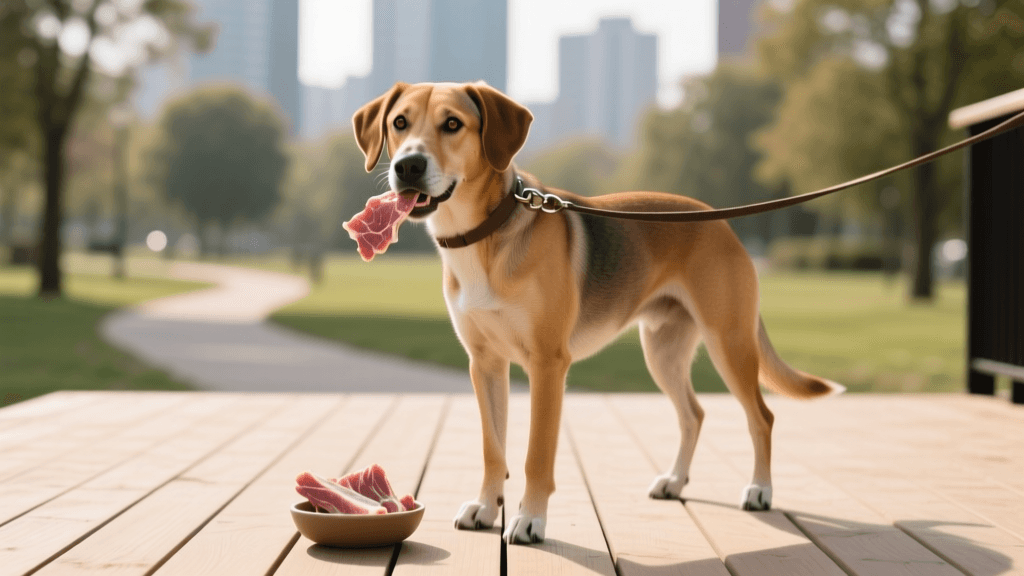
For emergency recall training or breaking through severe distraction plateaus, trainers are increasingly using whole fresh or frozen-thawed prey items. A whole raw sardine, a frozen-thawed quail, or a raw chicken neck serves as a "jackpot" reward. This is reserved exclusively for the most challenging recalls, such as calling a dog away from chasing wildlife. The novelty and intense biological value of a whole prey item create a lasting psychological imprint, reinforcing the recall command profoundly.
Step-by-Step High-Distraction Recall Protocol
Implementing raw and fresh rewards requires a structured approach to ensure the dog understands the criteria for earning these high-value items. The American Kennel Club (AKC) emphasizes that recall training must be built in stages, gradually increasing distance and distraction. Here is how to integrate raw rewards into this protocol:
Phase 1: Low Distraction (The Foundation)
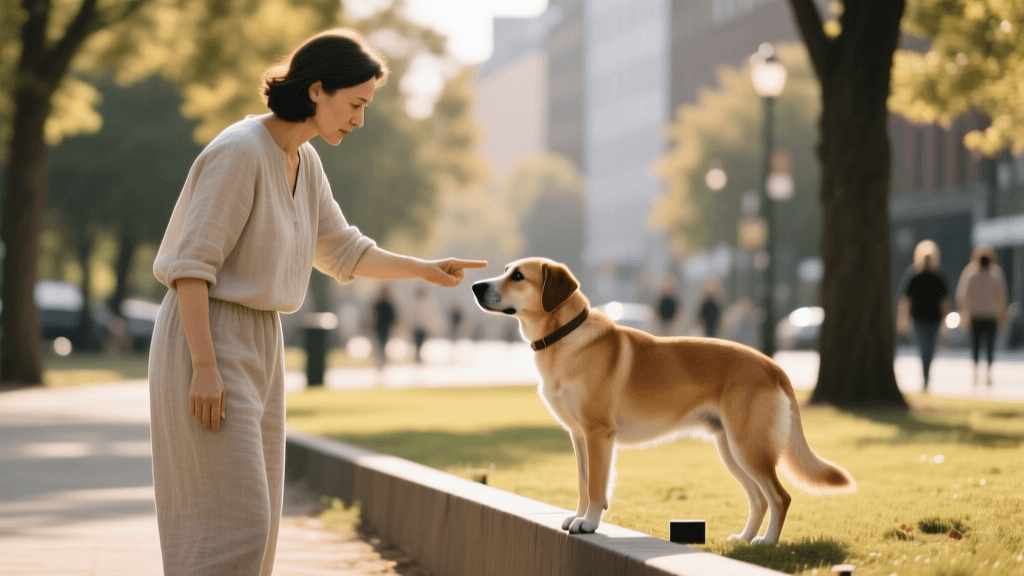
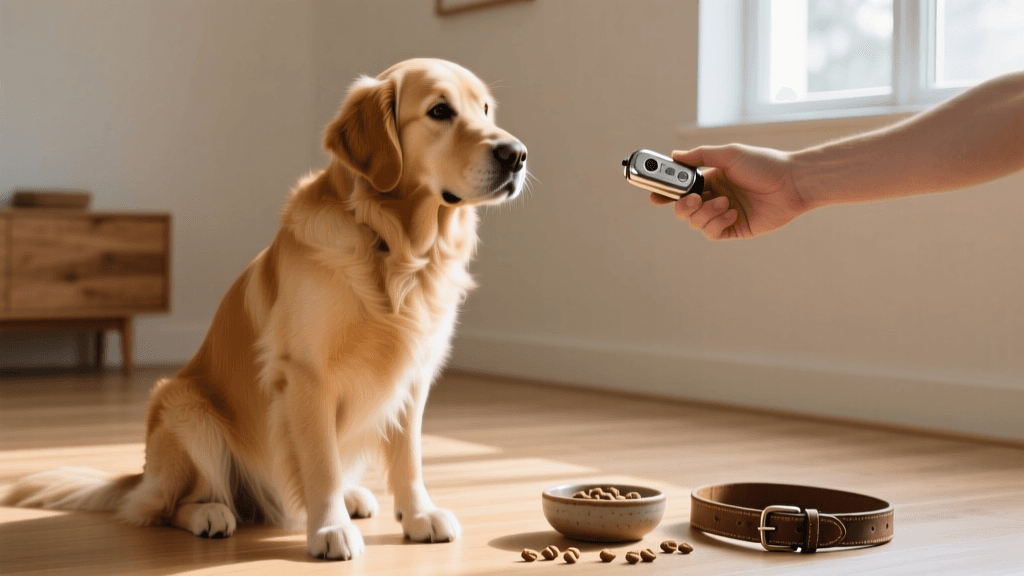
Begin indoors or in a fenced, quiet yard. Use a moderate-value raw reward, such as freeze-dried chicken bites. Say your recall cue ("Come" or a whistle) once. When the dog arrives, mark the behavior with a "Yes!" and feed 3 to 5 small pieces of the freeze-dried raw meat in rapid succession. This continuous feeding keeps the dog engaged with you for several seconds, preventing them from immediately darting off again.
Phase 2: Medium Distraction (Adding Environmental Variables)
Move to a busier park or a location with mild scents and distant people. Upgrade your reward to a higher-value fresh meat, such as small cubes of fresh, gently cooked beef heart or air-dried venison. Practice calling the dog away from mild sniffing or casual walking. The upgrade in scent and taste communicates to the dog that working in a distracting environment yields superior biological rewards.
Phase 3: High Distraction (The Emergency Recall)
This phase involves high-stakes environments, such as hiking trails with wildlife scents or dog parks. Here, you deploy the "Jackpot" reward. Call the dog away from a high-value distraction using your emergency cue (often a distinct whistle or a special word like "Touch"). When the dog disengages from the distraction and returns to you, present the whole raw sardine or quail. The sheer magnitude of this species-appropriate reward solidifies the understanding that returning to the handler is always more profitable than pursuing the distraction.
Reward Comparison Chart: Kibble vs. Fresh vs. Raw
To understand why the raw and alternative diet community has an edge in advanced obedience, consider the following comparison of reward types based on scent profile, motivation level, and training utility in 2026:
| Reward Type | Scent Complexity | Motivation Level | Best Use Case | Handling Convenience |
|---|---|---|---|---|
| Dry Kibble | Low | Low to Moderate | Basic luring, low-distraction shaping | High (clean, easy) |
| Processed Biscuits | Moderate | Moderate | Standard obedience, trick training | High (crumbly) |
| Freeze-Dried Raw | High | High | High-distraction recall, agility arousal | Moderate (requires dry pouch) |
| Fresh/Air-Dried Meat | Very High | Very High | Behavior modification, fear counter-conditioning | Low (greasy, needs silicone liner) |
| Whole Raw Prey | Maximum | Maximum (Jackpot) | Emergency recall, breaking prey drive | Very Low (requires specialized container) |
Hygiene, Handling, and Caloric Management
Transitioning to raw and fresh meat rewards requires strict attention to hygiene and dietary balancing. The American Veterinary Medical Association (AVMA) advises pet owners to exercise extreme caution when handling raw meats to prevent cross-contamination and the spread of foodborne pathogens like Salmonella and Listeria.
In 2026, the market has responded to this need with specialized training gear. Silicone-lined treat pouches are now the industry standard for raw-feeding trainers. Unlike traditional nylon or canvas pouches that absorb meat juices and harbor bacteria, medical-grade silicone liners can be easily turned inside out and washed in the dishwasher or sanitized with pet-safe antibacterial wipes between training sessions. Always carry a small bottle of pet-safe hand sanitizer or use biodegradable grooming wipes to clean your hands after delivering a fresh meat reward, especially before touching your dog's face or handling their leash.
Furthermore, caloric management is critical. Raw and fresh meats are highly calorically dense compared to air-popped training treats. To prevent unwanted weight gain, you must meticulously subtract the calories used during training from your dog's daily raw meal allowance. If you use three ounces of freeze-dried beef liver during a vigorous recall session, reduce the dog's evening raw dinner by an equivalent caloric amount. Many modern raw feeding apps now include a "training treat calculator" to help owners seamlessly adjust their dog's daily macro-nutrient ratios based on the specific proteins used during the day's training sessions.
Conclusion
Mastering recall training in high-distraction environments is one of the most vital skills you can teach your dog, ensuring their safety and your peace of mind. By embracing the principles of raw, fresh, and alternative diets, you tap into your dog's deepest biological motivations. The complex scent profiles and superior palatability of species-appropriate meats provide a level of reinforcement that processed treats simply cannot match. As you implement these strategies throughout 2026, remember to prioritize hygiene, balance your dog's daily caloric intake, and progressively build your criteria. With the right raw rewards in your pouch, your dog will learn that no matter what the environment offers, coming back to you is always the most rewarding choice they can make.
priya-sutaria
All our authors care for dogs every day — read more of their work on the authors page.