Using Raw and Fresh Food Rewards for Recall Training in 2026
Discover how to use raw and fresh food rewards to master recall training in 2026. Learn safe prep, portion control, and high-value conditioning techniques.
The 2026 Shift: Why Trainers Are Ditching Kibble for Raw Rewards
As we navigate the evolving landscape of canine behavioral conditioning in 2026, a significant paradigm shift has occurred in how professional trainers and dedicated owners approach high-stakes obedience. The days of relying solely on dry, processed kibble or starchy commercial treats for critical commands like the emergency recall are fading. Today, the integration of raw, fresh, and alternative diets into training protocols has proven to be a game-changer, particularly for reactive dogs, high-drive working breeds, and dogs struggling with focus in high-distraction environments. By leveraging the biological appropriateness and intense olfactory appeal of fresh meats and raw organs, handlers can unlock new levels of engagement and reliability in their dogs. This guide explores the science, preparation, and practical application of using raw and fresh food rewards to build a bombproof recall in 2026.
The Biology of Motivation: Why Fresh and Raw Foods Excel
To understand why raw and fresh foods outperform traditional treats in recall training, we must look at canine neurobiology. A dog's olfactory system possesses up to 300 million olfactory receptors, compared to our mere 6 million. When a dog is in a high-distraction environment—such as a busy park or a trail with heavy wildlife scent—their brain is flooded with competing sensory inputs. Dry kibble treats, which typically contain less than 10% moisture, emit very few volatile organic compounds (VOCs). In contrast, fresh and raw meats contain 65% to 75% moisture, which acts as a solvent for odor molecules, projecting a powerful scent profile that easily cuts through environmental distractions.
Furthermore, the concept of "high-value" is not just a human construct; it is deeply rooted in canine evolutionary biology. The scent of raw organ meats, such as liver or green tripe, triggers primal foraging and feeding instincts. When you pair the recall command with a biologically potent reward, you are not merely bribing the dog; you are engaging their deepest neurological drives. This makes the act of returning to the handler inherently more rewarding than chasing a squirrel or investigating a discarded food wrapper.
Top Raw and Fresh Training Treats for 2026
Sourcing and preparing raw treats has never been easier, thanks to the explosion of the fresh pet food market in 2026. Many premium fresh food delivery services now offer "training cut" toppers—pre-diced, flash-frozen raw meats specifically portioned for conditioning work. Here are the most effective raw and fresh rewards for recall training:
1. Raw Beef or Lamb Liver
Liver is the gold standard for high-value training. It is nutrient-dense, incredibly aromatic, and soft enough to be consumed in a fraction of a second, allowing for rapid repetition during recall drills. You can buy fresh liver, dice it into pea-sized pieces, and store it in a silicone treat pouch. For handlers who prefer not to carry raw meat in the field, lightly dehydrating the liver at 145°F for four hours creates a shelf-stable, highly aromatic alternative that retains much of its raw appeal.
2. Fresh Green Tripe
While the smell is notoriously offensive to human noses, raw or canned green tripe is a holy grail for dogs. Its pungent odor makes it an unparalleled reward for emergency recall conditioning in highly distracting environments. Use it sparingly and reserve it exclusively for the most challenging training scenarios.
3. Fresh Sardines in Water
Rich in Omega-3 fatty acids (DHA and EPA), fresh or water-packed sardines not only serve as a high-value reward but also support cognitive function and reduce neuro-inflammation in reactive dogs. The strong fish oils provide a massive olfactory footprint, making it easy for your dog to track your location in dense brush or crowded areas.
4. Rehydrated Freeze-Dried Raw Toppers
If handling raw meat in the field is a concern, modern home freeze-drying technology and commercial raw toppers offer a perfect compromise. By adding a splash of warm bone broth to freeze-dried raw meat dust or chunks right before a training session, you instantly reactivate the VOCs, creating a warm, highly aromatic paste that dogs find irresistible.
Nutritional Balancing and Portion Control
One of the most common concerns when using fresh or raw foods for training is caloric overconsumption and nutrient imbalance. The "10% Rule" dictates that treats and training rewards should not exceed 10% of your dog's daily caloric intake. Because raw and fresh treats are far more satiating and motivating than kibble, you can use much smaller pieces—often the size of a match head—while achieving the same or better behavioral results. Always deduct the calories used in training from your dog's daily fresh meal ration to maintain optimal body condition.
| Treat Type | Moisture Content | Prep Time | Olfactory Value | Avg. Cost per Ounce (2026) |
|---|---|---|---|---|
| Processed Kibble | 10% | None | Low | $0.15 |
| Commercial Freeze-Dried Raw | 5% (until rehydrated) | 1 min | High | $1.20 |
| Home-Prepped Raw Liver | 65% | 10 mins | Extreme | $0.45 |
| Fresh Green Tripe | 75% | 5 mins | Extreme | $0.85 |
Step-by-Step: Conditioning a Bombproof Recall with Fresh Meat
Implementing raw and fresh rewards requires a structured approach to ensure the dog associates the intense value of the food with the specific act of returning to you. Follow this progressive protocol to build a reliable recall.
Phase 1: Engagement and Name Recognition
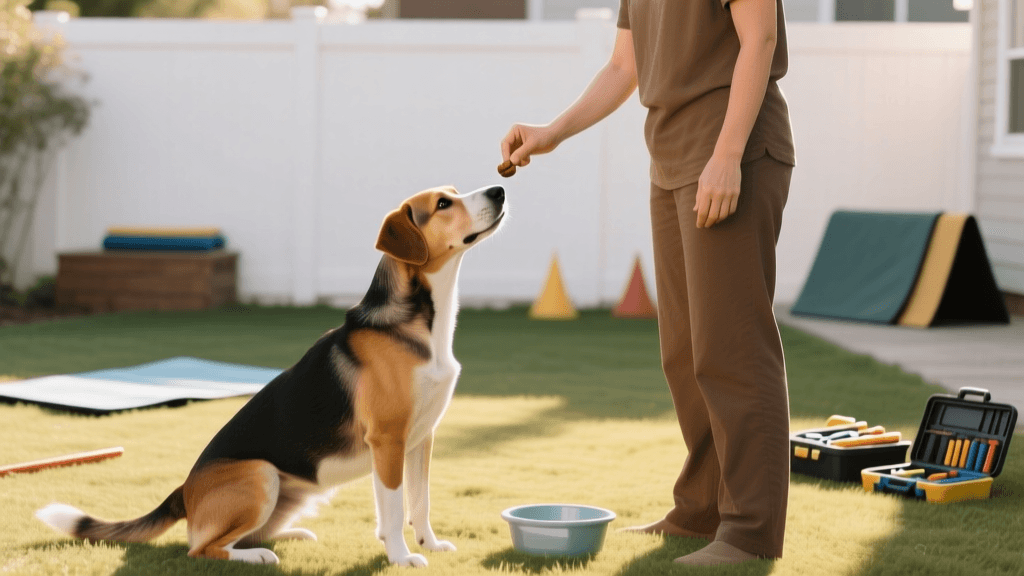
Begin in a low-distraction indoor environment. Hold a piece of raw liver or fresh tripe in your hand. Say your dog's name or your chosen recall cue (e.g., "Come" or "Here"). The moment your dog makes eye contact and moves toward you, use a marker word like "Yes!" and immediately deliver the fresh reward. The goal is to create a neurological pathway where the recall cue predicts the arrival of a biologically significant food source.
Phase 2: The Restrained Recall
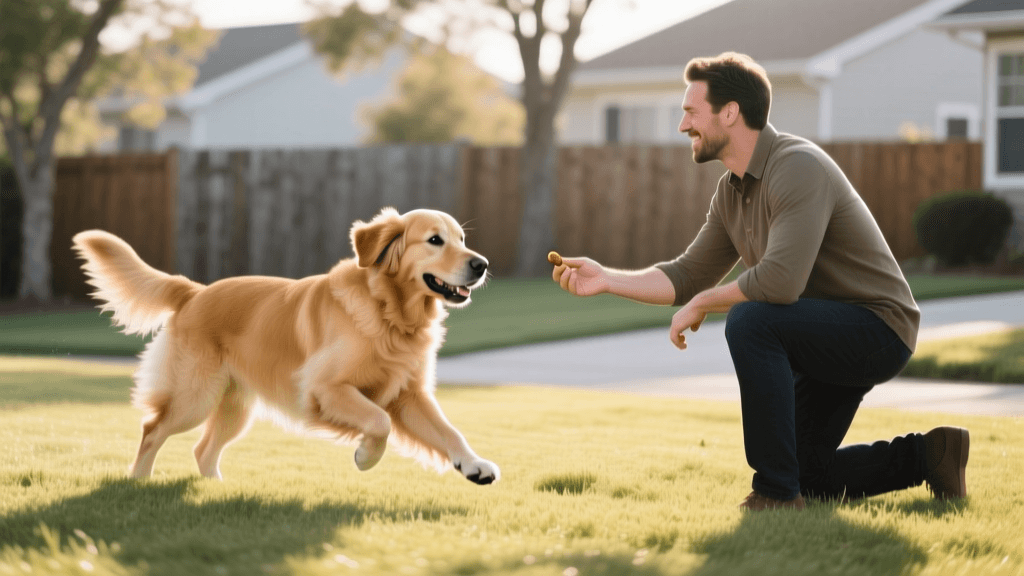
Move to a fenced yard or a quiet outdoor space. Have a helper gently hold your dog by the harness or chest. Walk away 15 feet, turn around, and enthusiastically give your recall cue while waving a silicone pouch containing your fresh raw rewards. The helper releases the dog. As the dog sprints toward you, the scent of the raw meat will accelerate their drive. Reward heavily upon arrival with a "jackpot" of fresh treats, feeding them continuously for 5 to 10 seconds to build duration at your side.
Phase 3: Adding Distance and Distractions
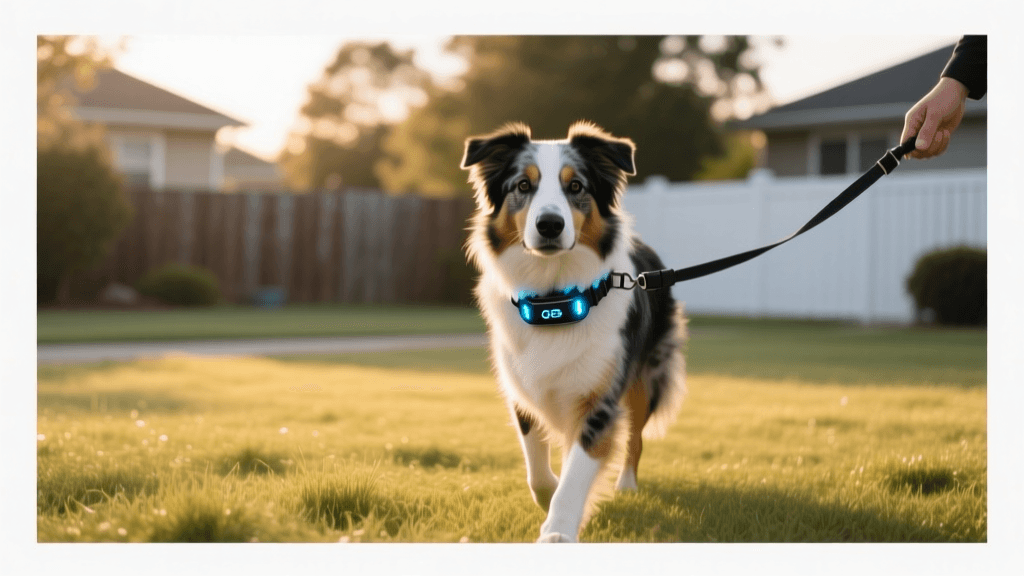
Attach a 30-foot biothane long line to your dog's harness. Practice in environments with increasing distractions. If your dog ignores the cue to sniff a bush or watch a passing dog, do not repeat the cue. Instead, make a kissy noise or jog backward to trigger their prey drive. When they turn and run to you, reward with the highest-value fresh item you have (like green tripe). The long line ensures you can gently guide them back if they fail, preventing the dog from learning that ignoring the cue is an option.
Field Hygiene and Safe Handling
Working with raw and fresh meats in the field requires strict adherence to hygiene protocols to protect both human and canine health. In 2026, the market is flooded with antimicrobial silicone treat pouches that can be turned inside out and thrown directly into the dishwasher or washed with hot, soapy water between sessions. Never use porous nylon or canvas treat bags for raw meat, as they harbor dangerous bacteria like Salmonella and Listeria.
When preparing raw treats at home, always follow the FDA guidelines on raw pet food diets to prevent cross-contamination in your kitchen. Use dedicated cutting boards for your dog's raw meats, and wash your hands thoroughly after handling. Additionally, if you are formulating your own fresh training toppers, ensure you avoid ingredients that are dangerous to canines. Always consult the ASPCA comprehensive list of toxic and non-toxic foods to ensure that no harmful alliums, grapes, or artificial sweeteners make their way into your dog's training rewards.
By embracing the power of raw, fresh, and alternative diets in your training regimen, you tap into your dog's natural instincts and biological drives. The result is not just a dog that obeys, but a dog that is deeply, passionately engaged with you, no matter what distractions the world has to offer.
beth-carrasco
All our authors care for dogs every day — read more of their work on the authors page.