Quiet Apartment Puppy Breeds 2026: First Year Care Guide
Discover the best quiet puppy breeds for apartments in 2026. Learn essential first-year care, potty training, and socialization tips for small spaces.
The Rise of the Urban Puppy in 2026
As urban living continues to evolve in 2026, more city dwellers are welcoming puppies into their apartments. However, shared walls, strict HOA noise policies, and close-quarter living mean that choosing the right breed is only half the battle. Raising a puppy in a high-rise requires a strategic approach to potty training, early socialization, and noise management. While some breeds are naturally vocal and prone to separation anxiety, others are famously quiet, making them ideal companions for apartment life. This guide covers the best quiet puppy breeds for apartments and provides a comprehensive first-year care roadmap to ensure your puppy thrives in a small space without disturbing the neighbors.
Top Quiet Puppy Breeds for Apartment Living
When selecting a puppy for an apartment, you must look beyond adult size and consider energy levels, vocalization tendencies, and adaptability. Here are the top quiet breeds that excel in urban environments:
1. Cavalier King Charles Spaniel
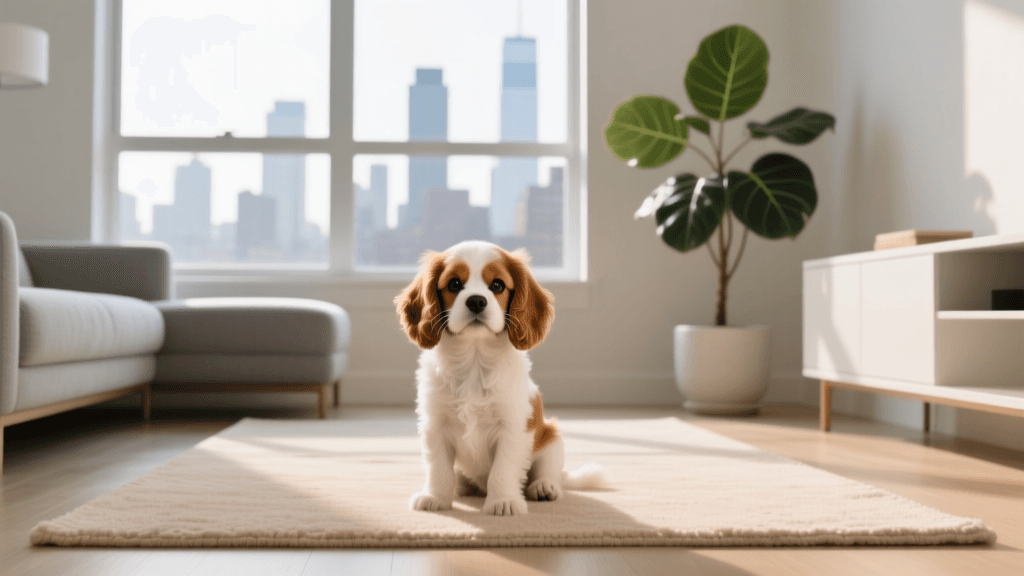
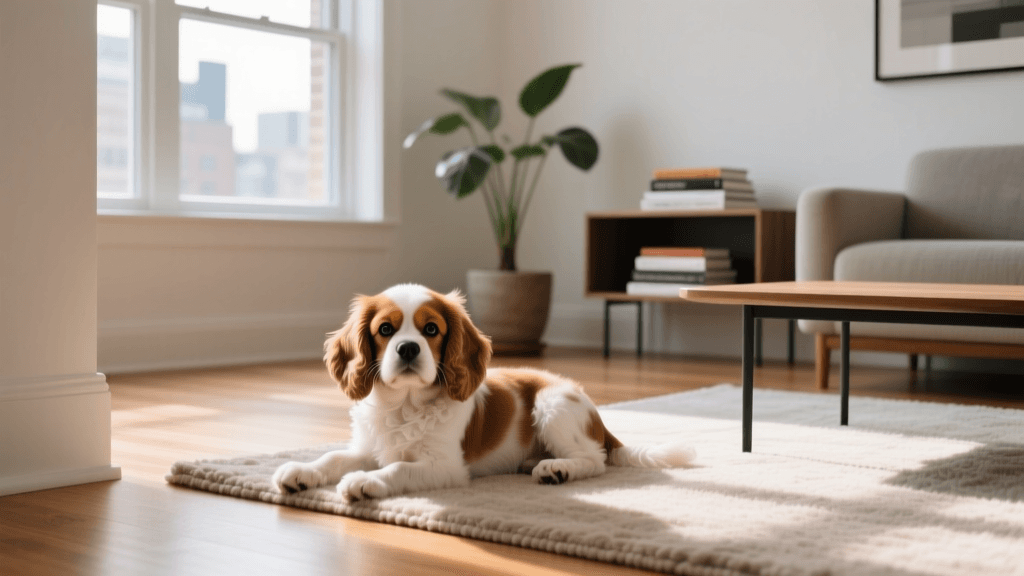
Known for their gentle and affectionate nature, Cavaliers are notoriously quiet. They rarely bark without a significant reason and are highly attuned to their owner's emotions. Their moderate energy levels mean they are perfectly content lounging on the couch after a short neighborhood walk, making them ideal for smaller square footage.
2. Greyhound
It surprises many first-time owners that Greyhounds are exceptional apartment dogs. Despite their racing background, they are famously known as "45-mph couch potatoes." They sleep up to 18 hours a day, rarely bark, and are generally very clean indoors. A brief daily sprint in a secure, fenced dog park is all they need to remain calm and quiet at home.
3. Shiba Inu
Shibas are fastidiously clean dogs, which often makes potty training a breeze—a massive advantage for high-rise dwellers. They are naturally quiet and tend to reserve their vocalizations for the famous "Shiba scream" only when highly stressed or at the vet. However, they are independent and require firm, patient socialization during their first year.
4. Basset Hound
Bassets are low-energy, laid-back hounds that prefer sniffing a single bush for twenty minutes over running miles. While they can be stubborn to train, they are generally quiet indoors. The main challenge with a Basset Hound puppy is managing their teething phase, as they love to chew on baseboards and furniture legs.
Comparison Chart: Apartment-Friendly Breeds
| Breed | Adult Weight | Barking Level | Exercise Need | Potty Training Difficulty |
|---|---|---|---|---|
| Cavalier King Charles Spaniel | 13-18 lbs | Low | Moderate | Moderate |
| Greyhound | 60-70 lbs | Very Low | Low (Sprint) | Easy |
| Shiba Inu | 17-23 lbs | Low (Alert) | Moderate | Easy |
| Basset Hound | 40-65 lbs | Moderate | Low | Hard |
First-Year Potty Training in High-Rises
Potty training an apartment puppy in 2026 comes with unique logistical challenges. Waiting for an elevator with an 8-week-old puppy who needs to relieve herself immediately is a recipe for accidents. According to the ASPCA potty training guidelines, establishing a strict, predictable routine is the most critical factor in housebreaking a puppy.
The Balcony Potty Station
If your apartment has a balcony, setting up a dedicated potty area is a game-changer. In 2026, subscription-based real grass delivery services like Fresh Patch remain the gold standard for balcony potty stations. Real grass naturally attracts puppies and absorbs odors better than synthetic turf. Alternatively, if you live on a higher floor without outdoor space, invest in an indoor smart potty system with UV sanitization and odor control to maintain hygiene in a small space.
The Elevator Protocol
For puppies that must go outside to the building's pet relief area, always carry your puppy in your arms or use a structured puppy carrier down the elevator to prevent them from relieving themselves in the hallway. Keep high-value treats by the front door so you can reward them the second their paws hit the outdoor grass.
Early Socialization and Noise Desensitization
The primary socialization window for puppies closes around 16 weeks of age. In an apartment complex, your puppy will encounter slamming doors, rolling garbage bins, elevator dings, and heavy footsteps from upstairs neighbors. If not properly desensitized, these noises can trigger fear-based barking later in life.
The AKC puppy socialization guidelines emphasize that socialization is not just about meeting other dogs; it is about exposing your puppy to new environments, sounds, and surfaces in a positive way. During the first three months, actively play recordings of urban noises—sirens, construction, and hallway chatter—at a low volume while feeding your puppy high-value treats. Gradually increase the volume over several weeks to build positive associations with apartment living sounds.
Hallway and Elevator Etiquette
Teach your puppy to sit and wait when the apartment door opens. Hallways are high-traffic choke points. Practice "doorway manners" daily so your puppy does not bolt into the corridor and startle a neighbor. Similarly, practice riding the elevator during off-peak hours (like mid-morning) to get your puppy used to the confined space and the mechanical sounds without the stress of crowded commutes.
Teething, Enrichment, and Preventing Noise Complaints
Between 4 and 6 months of age, your puppy will begin teething. In an apartment, a bored, teething puppy can quickly destroy drywall, chew through baseboards, and whine incessantly, leading to noise complaints and lost security deposits. Mental enrichment is your best defense against destructive and vocal behaviors.
Quiet Enrichment Toys for 2026
- Frozen Kong Classics: Stuff a rubber Kong with plain Greek yogurt, pureed pumpkin, and kibble, then freeze it overnight. The prolonged licking soothes inflamed teething gums and keeps the puppy occupied for up to an hour.
- Snuffle Mats: Apartment puppies miss out on large backyards to forage in. Snuffle mats mimic natural foraging behaviors, tiring out your puppy's brain in just 15 minutes of sniffing.
- Lick Mats with Suction Cups: Smear dog-safe peanut butter on a lick mat and stick it to the shower wall or bathtub. This is an excellent distraction technique for bathing or nail trimming in small apartment bathrooms.
As noted in the AKC guide to apartment-friendly dogs, a tired puppy is a quiet puppy. However, physical exercise in an apartment must be balanced with mental stimulation to prevent over-arousal, which can lead to the "zoomies" and heavy thumping on hardwood floors that disturbs downstairs neighbors.
Managing Puppy Crying at Night
The first few weeks of bringing an apartment puppy home are often the most stressful due to nighttime crying. Shared walls mean your neighbors will hear every whimper. To manage this without creating bad habits, utilize a heartbeat toy like the Snuggle Puppy, which mimics the warmth and pulse of littermates. Pair this with a white noise machine placed near the crate to drown out the sounds of late-night neighbors walking down the hall. Never yell at the puppy to be quiet, as this only validates their anxiety and teaches them that barking yields a response. Instead, reward moments of silence and ensure their final potty break occurs right before you turn out the lights.
Transitioning to Adulthood
By the time your puppy reaches 12 months, they will be fully integrated into your apartment routine. Transition them slowly from puppy food to an adult formula designed for low-activity or indoor dogs to prevent weight gain in a small-space environment. With consistent first-year training, proper enrichment, and proactive noise desensitization, your quiet breed will grow into the perfect, respectful urban companion.
robin-maitland
All our authors care for dogs every day — read more of their work on the authors page.