Top Quiet Apartment Puppy Breeds & First-Year Care 2026
Discover the best quiet puppy breeds for apartments in 2026. Learn expert first-year care, potty training, and teething tips for noise-free urban living.
Why Choose a Quiet Breed for Apartment Living in 2026?
As urban density continues to rise in 2026, apartment living has become the primary housing choice for millions of new dog owners. While raising a puppy in a shared building is an incredibly rewarding experience, it comes with unique acoustic and spatial challenges. Thin walls, shared hallways, and strict homeowners association (HOA) noise ordinances mean that choosing a naturally quiet breed is not just a preference; it is a necessity for harmonious community living. According to the American Kennel Club (AKC), selecting a breed with a low vocalization drive is the single most important factor for apartment dwellers looking to avoid neighbor disputes and eviction notices.
However, bringing a puppy into an apartment requires more than just picking the right breed. The first year of a puppy's life is filled with developmental milestones, from potty training and teething to early socialization. Even the quietest breeds can develop nuisance barking or separation anxiety if their first-year care is not properly managed. This comprehensive guide will explore the best quiet puppy breeds for apartments in 2026 and provide a month-by-month roadmap for raising a well-adjusted, silent companion in a shared living space.
Top 3 Quiet Puppy Breeds for Apartments (2026 Comparison)
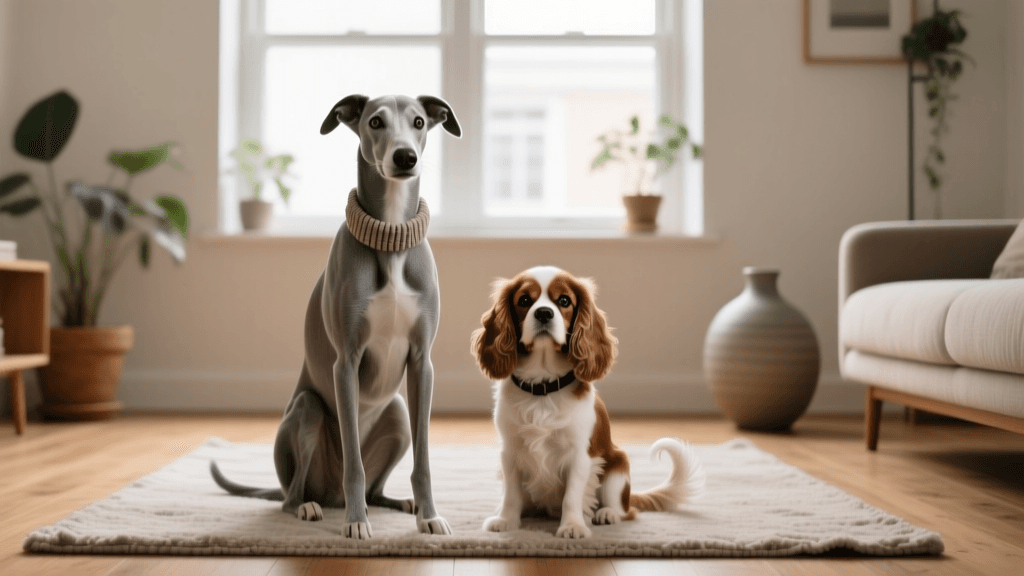
Not all small dogs are quiet, and not all large dogs are loud. When evaluating breeds for apartment life, we must look at their historical purpose, energy levels, and natural vocalization tendencies. Below is a comparison of three exceptional breeds that excel in quiet apartment environments.
| Breed | Adult Weight | Barking Level | Exercise Need | Apartment Suitability |
|---|---|---|---|---|
| Cavalier King Charles Spaniel | 12-18 lbs | Very Low | Moderate | Excellent |
| Greyhound | 60-70 lbs | Rarely Barks | Low (Sprint) | Excellent |
| Saluki | 40-65 lbs | Low | High (Running) | Very Good |
1. Cavalier King Charles Spaniel
The Cavalier is the quintessential apartment dog. Known for their gentle, affectionate nature, they rarely bark without a profound reason. They are highly attuned to their owner's emotions and adapt seamlessly to the rhythm of apartment life. Their moderate exercise needs can be met with short neighborhood walks and indoor play, making them perfect for high-rise living where yard access is limited.
2. Greyhound
It surprises many first-time owners that Greyhounds, despite their racing heritage, are famously known as '45-mph couch potatoes.' They are incredibly quiet, rarely barking, and spend up to 18 hours a day sleeping. While they do require a secure, fenced area for occasional off-leash sprinting, their daily apartment routine is remarkably sedentary and silent, making them superb companions for quiet urban homes.
3. Saluki
The Saluki is an ancient sighthound that is dignified, reserved, and exceptionally quiet. They do not possess the territorial barking instinct of many guard breeds. While they require dedicated daily running time at a local dog park, their indoor demeanor is calm, independent, and virtually noiseless.
First-Year Milestones: Raising Your Apartment Puppy
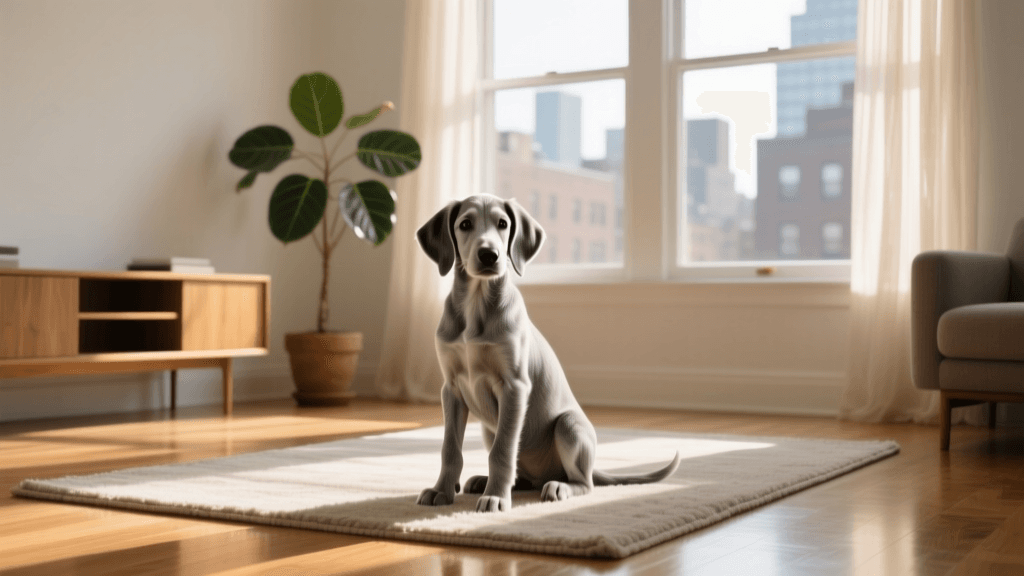
Raising a puppy in an apartment requires a strategic approach to training. The ASPCA Puppy Care Guidelines emphasize that early environmental conditioning is critical for puppies living in high-stimulus, shared environments. Here is how to navigate the first year.
Months 1-3: Silent Potty Training & Bite Inhibition
The first three months are dominated by potty training. In an apartment, taking a puppy down an elevator and out to the street every two hours is exhausting and increases the risk of disease exposure before vaccinations are complete. In 2026, many apartment dwellers utilize advanced balcony hydro-turf systems with odor-sealing bases to create an indoor potty zone. If you must use indoor pads, place them in a consistent, low-traffic corner. According to the Humane Society Potty Training Guide, consistency and immediate positive reinforcement are the keys to success.
Simultaneously, you must address bite inhibition. Puppies explore the world with their mouths, but a puppy yelping or crying loudly in an apartment can disturb neighbors. Redirect biting to appropriate, silent chew toys immediately. Avoid loud, high-pitched corrections, which can inadvertently encourage vocalization.
Months 4-6: Teething Without the Squeaks
Teething is a major trigger for puppy distress and noise. As adult teeth push through the gums, puppies seek relief by chewing and often whine in discomfort. To keep your apartment quiet, stock up on silent soothing options. Freeze a rubber Kong toy stuffed with dog-safe peanut butter and plain yogurt. The cold numbs the gums, and the licking action releases endorphins that calm the puppy without generating the sharp, repetitive squeaking noises associated with plush toys. You can also offer frozen, low-sodium chicken broth cubes in a silicone mold to keep them occupied and silent during the peak teething weeks.
Months 7-12: Adolescent Socialization in Shared Spaces
As your puppy enters adolescence, they may develop new fears or reactivity toward the unique stimuli of apartment life: the mechanical hum of the elevator, the sudden opening of neighboring doors, or the sound of heavy footsteps overhead. Desensitization is key. Practice 'elevator etiquette' by teaching your puppy to sit calmly in the back corner of the cab. Reward them with high-value treats for remaining silent when the doors open and strangers enter. Teach a 'quiet' command by capturing moments of natural silence and rewarding them heavily, ensuring they understand that peace and quiet yield the best rewards.
The 2026 Quiet Apartment Puppy Starter Kit
To set your puppy up for success, invest in gear specifically designed to minimize noise and maximize comfort in a shared living space:
- Sound-Dampening Crate Mats: Modern 2026 orthopedic crate beds feature memory foam bases with acoustic-dampening layers that absorb the sound of a puppy shifting, scratching, or pacing during the night.
- White Noise Machines: A dedicated pet-safe white noise machine placed near the crate can mask hallway footsteps and street noise, preventing your puppy from triggering a barking fit at every minor sound.
- Snuffle Mats and Lick Mats: Mental enrichment is vital for apartment dogs who lack large yards. Snuffle mats encourage natural foraging behaviors in complete silence, tiring out your puppy's brain without the chaotic noise of a loud fetch session.
- Doorbell Desensitization Tracks: Use a smartphone app to play recorded doorbell sounds at a very low volume while feeding your puppy, gradually increasing the volume over weeks to prevent the frantic barking that usually accompanies a neighbor knocking on your door.
Conclusion
Raising a puppy in an apartment in 2026 is entirely feasible and deeply rewarding when you start with the right breed and a proactive training plan. By choosing naturally quiet breeds like the Cavalier King Charles Spaniel or the Greyhound, and by utilizing modern, noise-conscious training techniques for potty habits and teething, you can cultivate a peaceful home environment. Remember that your puppy's first year sets the foundation for their entire life. Prioritize calm socialization, respect your shared walls, and enjoy the quiet, loving companionship that your new apartment dog will bring for years to come.
anouk-beaumont
All our authors care for dogs every day — read more of their work on the authors page.