Raising Quiet Apartment Puppies: Top Breeds & Care 2026
Discover the best quiet puppy breeds for apartments in 2026. Learn essential potty training, socialization, and care tips for Cavaliers and Greyhounds.
The Rise of the Quiet Apartment Puppy in 2026
As urbanization continues to shape our living environments in 2026, apartment dwelling is more popular than ever. For dog lovers living in high-rises, duplexes, and shared-wall complexes, choosing the right puppy is about more than just size; it is about volume. A small dog with a high-pitched, relentless bark will quickly earn you noise complaints, while a large, docile breed might be the perfect quiet neighbor. Raising a puppy in an apartment requires a strategic approach to potty training, hallway socialization, and noise management. In this comprehensive 2026 guide, we explore the best quiet dog breeds for apartment living and provide actionable, milestone-based care tips to ensure your puppy thrives in a high-density environment.
Top 3 Quiet Puppy Breeds for Apartment Living
When selecting a puppy for an apartment, you must look at the breed's genetic predisposition to vocalization. According to the American Kennel Club (AKC), the best apartment dogs are those that can adapt to smaller spaces and possess a naturally calm demeanor. Here are the top three quiet breeds that excel in urban environments.
1. Cavalier King Charles Spaniel
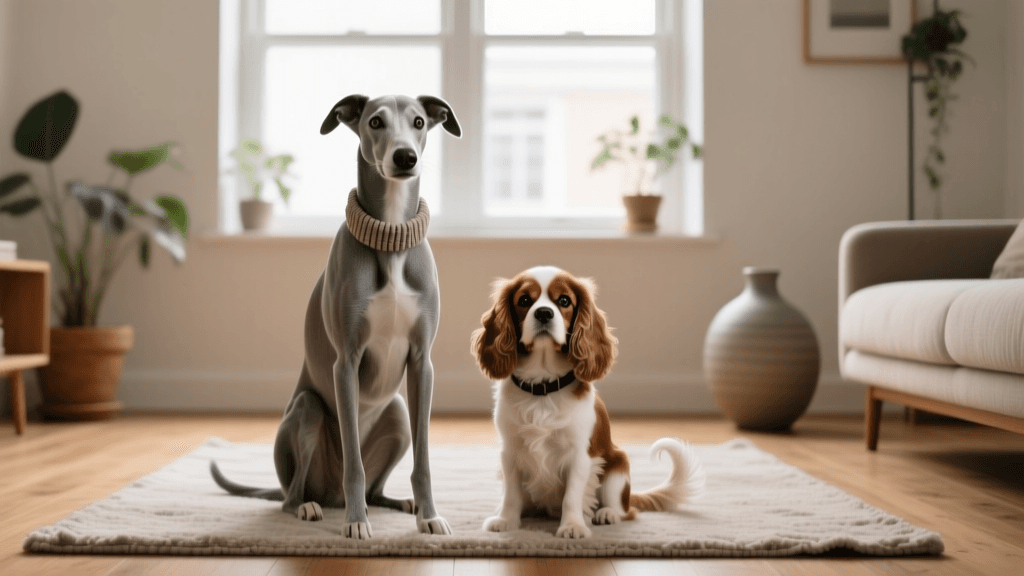
The Cavalier King Charles Spaniel is the quintessential apartment companion. Weighing between 13 and 18 pounds, these puppies are incredibly affectionate, adaptable, and notably quiet. Unlike many other toy breeds that suffer from 'small dog syndrome' and yip at every shadow, Cavaliers are known for their gentle, soothing presence. In 2026, urban breeders have focused heavily on health testing for mitral valve disease, making it easier than ever to find robust, healthy puppies. Their moderate energy levels mean they are perfectly content with a 20-minute neighborhood walk and a long nap on the sofa. They rarely bark without a significant reason, making them ideal for buildings with thin walls.
2. The Greyhound
It surprises many first-time apartment dwellers that a 60-to-70-pound Greyhound is one of the best apartment dogs in existence. Often dubbed '45-mph couch potatoes,' Greyhounds are sprinters, not marathon runners. Once they have had a short, vigorous burst of exercise, they are profoundly lazy indoors. They are also remarkably quiet dogs; they rarely bark, and their large size is offset by their incredibly gentle and non-intrusive nature. Raising a Greyhound puppy in an apartment means providing soft bedding to protect their bony joints and utilizing nearby dog parks for safe, off-leash sprinting sessions.
3. Japanese Chin
If you want a truly compact, quiet, and cat-like puppy, the Japanese Chin is a superb choice for 2026 apartment living. Weighing only 7 to 11 pounds, they were literally bred to be royal lap companions. They are highly observant, quiet, and do not possess the frantic energy of a Jack Russell or the vocal tendencies of a Beagle. They navigate small apartment layouts with grace and are easily litter-box trained or pad-trained, which is a massive advantage for high-rise dwellers.
The High-Rise Potty Training Dilemma
Potty training an apartment puppy presents a unique logistical nightmare: the elevator ride. An 8-week-old puppy has a bladder capacity that can only be held for about two to three hours. When you factor in the time it takes to leash the puppy, walk down the hallway, wait for the elevator, ride down, and cross the lobby to the designated outdoor pet relief area, you are looking at a 5-to-10-minute journey. For a young puppy, this is often too long, resulting in accidents in the elevator or lobby.
The 2026 Smart Indoor Potty Solutions
To combat the elevator delay, modern apartment puppy owners are turning to advanced indoor potty systems. While traditional pee pads are still used, they often get shredded by teething puppies. In 2026, the BrilliantPad Elite and similar smart rolling potty systems are the gold standard for high-rise puppy care. These devices automatically roll away soiled pads and seal them in an internal compartment, trapping odors and keeping the puppy's paws clean. Alternatively, hydroponic grass delivery services like Fresh Patch or Doggielawn can be placed on a balcony or near an entryway, providing a real-grass texture that naturally encourages the puppy to eliminate without the confusion of synthetic turf.
The Balcony Transition Method
If your apartment has a private balcony, you can create a dedicated potty zone. Use a large, shallow plastic tray filled with cedar mulch or a specialized dog-safe artificial grass mat. According to the ASPCA, consistency in the potty surface is key to rapid housebreaking. By taking your puppy to the exact same balcony spot every 45 minutes during the day, you bypass the elevator entirely during the critical early weeks. Once the puppy's vaccinations are complete and their bladder control matures around 16 weeks, you can gradually transition them to outdoor street-level walks.
Early Socialization in Shared Spaces
Apartment living forces your puppy into shared spaces—hallways, elevators, lobbies, and parking garages. Early socialization is critical to ensure your puppy does not develop fear-based reactivity or excessive barking when encountering neighbors. The critical socialization window closes around 14 to 16 weeks of age, meaning you must act quickly.
Hallway and Elevator Etiquette
Elevators are particularly challenging for puppies. The mechanical noises, the sudden drops, and the confined space with strangers can trigger anxiety. To desensitize your puppy, carry them into the elevator (before their parvovirus vaccinations are complete) just to experience the movement and sounds. Offer high-value treats like freeze-dried liver whenever the doors open or close. Once they are walking, practice the 'sit and wait' command. Teach your puppy to sit calmly in the back corner of the elevator cab, allowing neighbors to enter and exit without feeling crowded or jumped on.
Lobby Desensitization
Apartment lobbies are high-traffic zones with sliding doors, echoing footsteps, and delivery drivers. Spend 10 minutes a day sitting on a lobby bench with your puppy on a mat. Reward them heavily for remaining quiet and observing the environment without lunging or barking. This 'engagement-disengagement' game builds a confident, quiet dog who views the lobby as a boring transit space rather than a stage for excitement.
Managing Separation Anxiety and Noise
Even the quietest breeds can develop separation anxiety, which in an apartment manifests as whining, pacing, and howling that will quickly disturb your neighbors. In 2026, proactive enrichment is the standard for preventing apartment puppy anxiety.
Acoustic Management
Apartments are full of triggering noises: doors slamming, neighbors talking, and sirens outside. Utilizing a white noise machine, such as the LectroFan High Fidelity, placed near your puppy's crate can mask these sudden acoustic spikes. Pair this with a heavy-duty, sound-dampening crate cover to create a den-like environment that reduces visual and auditory stress.
Long-Lasting Enrichment
When you must leave your puppy alone, provide interactive enrichment that promotes licking and chewing, which are naturally soothing behaviors for dogs. The Kong Genius line or frozen LickiMat spreads (using dog-safe peanut butter, plain yogurt, and bone broth) can keep a puppy occupied for up to 45 minutes. This not only prevents destructive chewing on baseboards but also ensures the puppy remains quiet and relaxed during your absence.
Comparison Chart: Quiet Apartment Breeds
| Breed | Adult Weight | Barking Level | Energy Level | Potty Training Difficulty |
|---|---|---|---|---|
| Cavalier King Charles Spaniel | 13 - 18 lbs | Very Low | Moderate | Easy |
| Greyhound | 60 - 70 lbs | Low | Low (Indoors) | Moderate |
| Japanese Chin | 7 - 11 lbs | Low | Low | Easy (Pad trainable) |
| Whippet | 25 - 40 lbs | Very Low | Moderate | Moderate |
Final Thoughts on 2026 Apartment Puppy Care
Raising a quiet puppy in an apartment is entirely achievable with the right breed selection and a proactive approach to environmental management. By choosing genetically predisposed quiet breeds like the Cavalier King Charles Spaniel or the Greyhound, utilizing modern smart-potty technology to bypass elevator delays, and actively desensitizing your puppy to the unique acoustics of shared living spaces, you can foster a harmonious relationship with both your dog and your neighbors. Remember that consistency, patience, and early intervention are the cornerstones of successful urban puppy rearing. Welcome to the rewarding world of apartment dog ownership!
jonas-cole
All our authors care for dogs every day — read more of their work on the authors page.