Top 3 Quiet Puppy Breeds for Remote Workers in 2026
Discover the best quiet puppy breeds for remote workers in 2026. Learn WFH potty training, teething tips, and socialization schedules for home offices.
The Work-From-Home Puppy Dilemma in 2026
As the remote and hybrid work models solidify in 2026, millions of professionals are transforming their spare rooms and living areas into permanent home offices. With this shift comes a massive surge in pet adoption, specifically puppies. However, raising a puppy while managing video conferences, deep-work blocks, and virtual collaborations presents a unique set of challenges. The primary concern for any remote worker is noise. A vocal puppy can derail a critical client pitch or disrupt the focus required for complex problem-solving. Furthermore, the constant presence of a work-from-home (WFH) parent can inadvertently lead to severe separation anxiety if the puppy is not properly socialized and trained to enjoy independent time.
Choosing the right breed is only the first step. The first year of a puppy's life encompasses crucial developmental milestones, including potty training, teething, and early socialization. For remote workers, these milestones must be managed around a digital schedule. In this comprehensive 2026 guide, we explore the top three quiet, adaptable puppy breeds for home-office environments and provide actionable, WFH-specific puppy care strategies to ensure your first year together is productive and peaceful.
Top 3 Quiet Puppy Breeds for Your Home Office
When selecting a puppy for a WFH lifestyle, you want a breed that is naturally inclined to be calm, has a low propensity for nuisance barking, and thrives on proximity without demanding constant, high-octane engagement. Here are the top three breeds that fit the bill in 2026.
1. Cavalier King Charles Spaniel
The Cavalier King Charles Spaniel is widely considered the ultimate lap dog. For remote workers, this breed is a dream come true. Cavaliers are exceptionally quiet, rarely barking unless there is a genuine disturbance. During their puppy stage, they require moderate play sessions but are equally content sleeping on a dog bed beneath your desk while you type. Their primary care challenge in the first year is managing their desire to be physically attached to you, which requires deliberate independence training to prevent velcro-dog syndrome.
2. Basset Hound
Known for their soulful eyes and low-slung bodies, Basset Hound puppies are remarkably laid-back. While they possess a strong sense of smell and can be stubborn during potty training, they are not prone to high-pitched or continuous barking. A Basset Hound puppy will happily chew on a puzzle toy for an hour while you are in back-to-back virtual meetings. Their low energy levels as they mature make them ideal for smaller home offices or apartments where space for indoor play is limited.
3. Shih Tzu
Bred originally to be companions in palaces, the Shih Tzu is a sturdy, affectionate, and surprisingly quiet toy breed. Shih Tzu puppies adapt beautifully to the rhythms of a home office. They are alert and will let you know if someone is at the door, but they lack the nervous, yappy disposition of some other toy breeds. Their main first-year care requirement is a strict grooming and facial-cleaning routine, which can easily be scheduled during your lunch break.
Breed Comparison Chart for WFH Parents
| Breed | Bark Level | Energy Level | Potty Training Difficulty | Adult Weight |
|---|---|---|---|---|
| Cavalier King Charles Spaniel | Low | Moderate | Easy | 12-18 lbs |
| Basset Hound | Low-Medium | Low | Challenging | 40-65 lbs |
| Shih Tzu | Low | Low-Moderate | Moderate | 9-16 lbs |
First-Year Puppy Care for the Remote Worker
Bringing a quiet breed into your home does not mean the puppy will automatically know how to behave during a Zoom call. The first year requires structured care tailored to a digital professional's lifestyle.
Potty Training Around Zoom Meetings
Potty training a puppy while working from home requires leveraging your physical proximity without creating a crutch. In 2026, many remote workers utilize the Pomodoro technique (25 minutes of focused work, 5 minutes of rest) to align with their puppy's biological clock. A young puppy can typically hold their bladder for one hour per month of age. By scheduling potty breaks during your 5-minute Pomodoro intervals, you create a predictable routine.
According to the ASPCA's official housetraining guidelines, consistency and positive reinforcement are the cornerstones of success. Take your puppy to the exact same outdoor spot during your work breaks. Use a specific verbal cue, and reward them immediately with a high-value treat. If you are on an unavoidable two-hour video call, utilize a designated indoor puppy playpen equipped with a smart potty pad system that alerts your phone when the puppy has used it, allowing you to clean it up immediately after your call ends without disrupting your workflow.
Managing Teething Without Disrupting Calls
Between 12 and 24 weeks of age, your puppy will go through a heavy teething phase. A teething puppy will chew on anything, including your expensive ergonomic mouse cord or desk legs. More importantly, the discomfort can lead to whimpering and fussiness during your quiet hours.
To manage this, stock your home office with silent, long-lasting chew toys. Avoid hard nylon bones that clack against the floor or squeaky toys that will trigger your microphone's noise-canceling software. Instead, use a classic rubber Kong toy stuffed with puppy-safe peanut butter and frozen overnight. The cold rubber soothes inflamed gums, and the freezing process makes the treat last up to 45 minutes—perfect for getting through a lengthy quarterly review meeting. Rotate three or four different frozen toys throughout the week to maintain the puppy's interest and keep them quietly occupied under your desk.
Preventing 'Velcro Dog' Syndrome and Separation Anxiety
The greatest risk for a WFH puppy owner is separation anxiety. Because you are home 24/7 during the puppy's formative months, the dog learns that your presence is the baseline state of reality. When you eventually return to a hybrid schedule or leave for a networking event, the sudden absence can trigger destructive behavior and panic.
The American Kennel Club's resource on separation anxiety emphasizes the importance of teaching puppies to be comfortable alone from day one. You must simulate absences even when you are working from home. Utilize a baby gate or a closed door to separate yourself from the puppy for 30 to 60 minutes a day while you are in another room working. Provide them with a safe chew toy and ignore them when you return. This teaches the puppy that your temporary disappearance is normal and that you will always come back.
Furthermore, early socialization must include digital noises. The AKC's puppy socialization framework highlights the need to expose puppies to various household sounds. Play recordings of doorbells, sirens, and even the specific chime your video conferencing software uses when someone joins a meeting. Pair these sounds with treats so the puppy associates your sudden 'Zoom voice' and digital notifications with positive outcomes rather than reasons to bark.
Essential 2026 WFH Puppy Gear
To optimize your home office for a puppy, invest in these 2026 essentials:
- Sound-Dampening Crate Covers: If your puppy needs a nap during a loud brainstorming session, a sound-dampening crate cover creates a dark, quiet den environment that blocks out both your voice and the glow of your monitors.
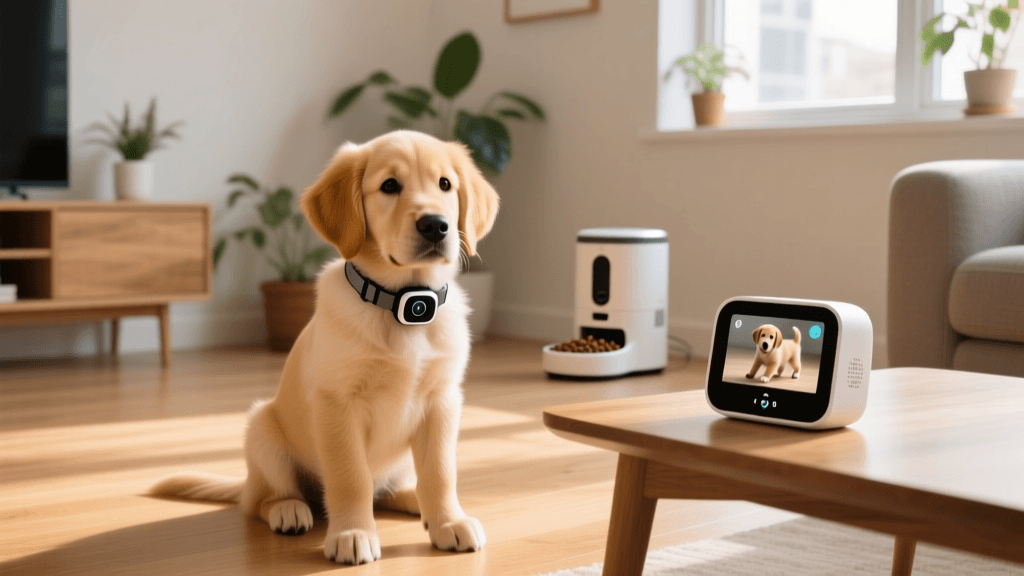
- Smart Treat Dispensing Cameras: Modern 2026 pet cameras allow you to toss treats and speak to your puppy via an app. Use this to reward quiet behavior when you are in a different room, reinforcing independence.
- Cord Concealers and Bitter Sprays: Protect your home office infrastructure. Use hard plastic cord channels to hide power strips and apply pet-safe bitter apple spray to the legs of your standing desk.
Conclusion
Raising a puppy as a remote worker in 2026 is a highly rewarding experience that requires strategic planning. By selecting a naturally quiet breed like the Cavalier King Charles Spaniel, Basset Hound, or Shih Tzu, and implementing a WFH-specific routine for potty training, teething, and independence, you can cultivate a peaceful home office. Your puppy will grow into a well-adjusted, confident companion who supports your career rather than disrupting it, proving that professional success and responsible pet parenthood can seamlessly coexist.
robin-maitland
All our authors care for dogs every day — read more of their work on the authors page.