The 7 Best Quiet Dog Breeds for Apartments in 2026
Discover the best quiet dog breeds for apartments in 2026. Learn about low-barking, space-friendly dogs, plus tips for apartment puppy proofing and care.
Why Choose a Quiet Dog for Apartment Living?
As urban living continues to evolve in 2026, apartment dwellers face stricter noise ordinances and shared-wall acoustics than ever before. Bringing a vocal, high-energy herding or guarding breed into a compact living space is a recipe for noise complaints, strained neighborly relations, and potential lease violations. For city residents and those in multi-family housing, selecting a naturally quiet, low-barking dog breed is not just a preference—it is a necessity for a harmonious lifestyle.
Quiet dog breeds are typically characterized by their lower prey drive, relaxed indoor temperament, and minimal territorial barking. According to the American Kennel Club, many companion and sighthound breeds are genetically predisposed to conserve their energy and remain silent unless absolutely necessary. When you combine these genetic traits with proper mental enrichment and modern apartment-friendly training techniques, you can enjoy the profound companionship of a dog without disrupting your building's peace.
Below, we explore the top seven quiet dog breeds perfectly suited for apartment living in 2026, complete with a comprehensive comparison chart, preparation tips, and a breakdown of modern pet-living costs.
The 7 Best Quiet Dog Breeds for Apartments in 2026
1. Cavalier King Charles Spaniel
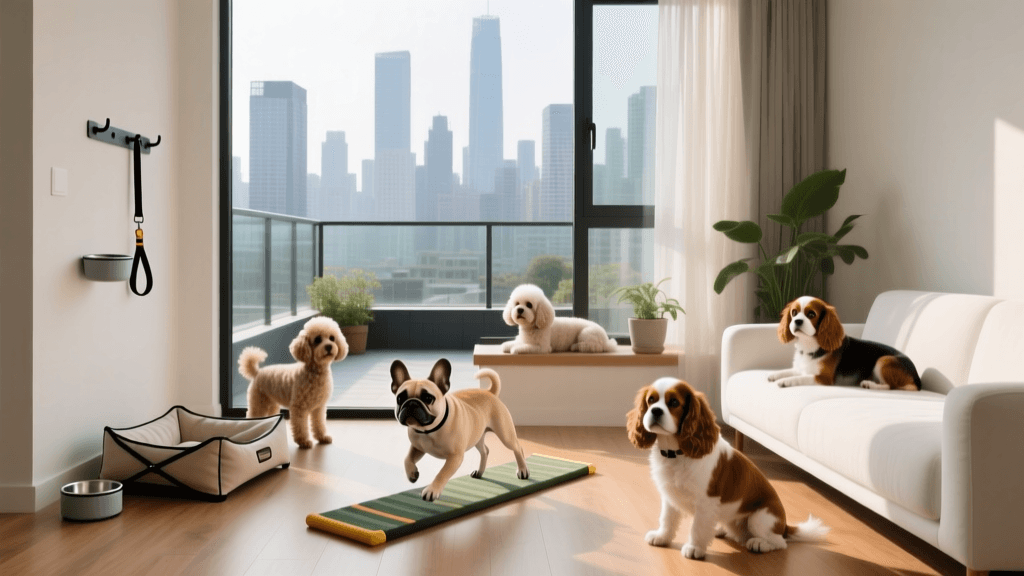
The Cavalier King Charles Spaniel is the quintessential apartment companion. Weighing between 12 and 18 pounds, these affectionate dogs are known for their gentle disposition and profound desire to simply be near their humans. They rarely bark without a significant reason, making them ideal for buildings with thin walls. Cavaliers require moderate exercise—a couple of short daily walks and some indoor play are sufficient to keep them happy. Their silky coats do require regular brushing, but their overall maintenance is highly manageable for busy urban professionals.
2. Basenji
Famously known as the 'barkless dog,' the Basenji is a unique and fascinating choice for apartment living. Due to the unusual shape of their larynx, Basenjis cannot produce a traditional bark. Instead, they communicate through a quiet yodeling sound, which rarely carries through walls. Weighing 22 to 24 pounds, they are fastidiously clean—often grooming themselves like cats—and have very little doggy odor. However, they are highly intelligent and independent, requiring puzzle toys and structured mental stimulation to prevent destructive boredom.
3. Greyhound
It may seem counterintuitive to house a large racing dog in an apartment, but retired Greyhounds are famously dubbed '45-mph couch potatoes.' Despite their size (60 to 70 pounds), Greyhounds are incredibly quiet, low-energy indoors, and spend up to 18 hours a day sleeping. They rarely bark and are generally unbothered by the ambient noises of an apartment building. A daily brisk walk or a short sprint in a secured dog park is all they need to stay healthy and content in a smaller space.
4. Japanese Chin
The Japanese Chin is an ancient aristocratic breed that thrives in indoor environments. Weighing a mere 7 to 11 pounds, they are exceptionally quiet, observant, and deeply devoted to their owners. Unlike some small breeds that suffer from 'small dog syndrome' and yap at every passing shadow, the Chin is notably serene and dignified. They require minimal exercise and are perfectly happy lounging on a sofa or bed, making them an excellent choice for high-rise apartments with limited outdoor access.
5. Basset Hound
Basset Hounds are famously laid-back and stubborn, traits that translate beautifully to apartment living. While they possess a deep, resonant howl, they are generally very quiet indoors and rarely bark out of habit or territoriality. Their low stamina means they are happy to spend the day napping on a rug. Owners must be mindful of their strong sense of smell; providing snuffle mats and scent-work games indoors will keep their active noses busy without requiring miles of outdoor hiking.
6. English Bulldog
The English Bulldog is a low-energy, low-barking breed that is perfectly content with a sedentary apartment lifestyle. Weighing between 40 and 50 pounds, they are sturdy, affectionate, and largely indifferent to the comings and goings of neighbors. Bulldogs do not require extensive exercise and are prone to overheating, making climate-controlled apartment living ideal for them. Prospective owners should be prepared for the breed's specific health needs and grooming requirements, particularly regarding their facial folds.
7. Italian Greyhound
If you love the temperament of a Greyhound but lack the square footage for a large dog, the Italian Greyhound is the perfect compromise. Weighing only 7 to 14 pounds, these elegant sighthounds are quiet, sensitive, and deeply bonded to their owners. They are notoriously cold-averse, which means they are perfectly happy staying indoors under a warm blanket during the winter months. They do require gentle, positive reinforcement training, as they can be timid in loud, chaotic environments.
Apartment Dog Comparison Chart
| Breed | Weight | Energy Level | Bark Frequency | 2026 Avg. Cost |
|---|---|---|---|---|
| Cavalier King Charles | 12-18 lbs | Moderate | Very Low | $2,500 - $3,500 |
| Basenji | 22-24 lbs | High | None (Yodels) | $1,800 - $2,500 |
| Greyhound | 60-70 lbs | Low (Indoors) | Very Low | $300 - $500 (Rescue) |
| Japanese Chin | 7-11 lbs | Low | Low | $2,000 - $3,000 |
| Basset Hound | 40-65 lbs | Low | Low | $1,500 - $2,500 |
| English Bulldog | 40-50 lbs | Very Low | Very Low | $3,000 - $4,500 |
| Italian Greyhound | 7-14 lbs | Moderate | Low | $2,000 - $2,800 |
Preparing Your Apartment for a Quiet Breed
Even the quietest dog breeds can develop nuisance behaviors if their environment is not properly optimized. According to the ASPCA, environmental enrichment and proper spatial management are critical for preventing anxiety-induced vocalization in apartment dogs.
Soundproofing and Spatial Management
While your dog may be quiet, their claws on hardwood floors can still generate noise complaints from downstairs neighbors. In 2026, the standard for apartment dog owners is to invest in high-density acoustic underlayment pads placed beneath large area rugs. Additionally, placing draft stoppers under your front door can muffle the sound of hallway traffic, reducing your dog's instinct to react to passing neighbors.
Indoor Potty Solutions
For high-rise dwellers, waiting for an elevator during a potty emergency can be stressful. Modern indoor potty systems, such as hydroponic grass patches or advanced UV-sanitizing litter boxes designed specifically for dogs, are highly recommended. These tools allow your dog to relieve themselves indoors quietly and hygienically, reducing the need for frantic, stressful outdoor trips that can trigger anxiety.
Mental Enrichment to Prevent Boredom
A bored dog is a noisy dog. To keep your apartment dog quietly occupied while you work or run errands, utilize slow-feed puzzle toys, lick mats frozen with low-sodium bone broth, and automated treat-dispensing cameras. These tools engage their natural foraging instincts and promote long periods of quiet, focused activity.
The Costs of Apartment Dog Ownership in 2026
Budgeting for an apartment dog goes beyond the initial adoption or purchase price. As of 2026, urban pet owners must account for several building-specific and lifestyle-specific expenses. The Humane Society emphasizes that financial preparedness is a key component of responsible pet ownership, ensuring the animal remains in a stable, permanent home.
- Pet Rent and Deposits: The national average for pet rent in 2026 hovers between $45 and $85 per month, depending on the city and building amenities. Non-refundable pet deposits typically range from $300 to $500.
- Canine DNA Registration: Many luxury and mid-tier apartment complexes now require mandatory canine DNA swabbing upon move-in to enforce waste cleanup policies. Expect to pay a one-time registration fee of $60 to $100.
- Pet Insurance: With veterinary costs continuing to rise, comprehensive pet insurance is a must. Premiums for apartment-friendly breeds average $40 to $65 per month in 2026, protecting you from unexpected emergency room visits.
- Dog Walking and Daycare: If you work long hours outside the apartment, budget for mid-day dog walkers. In major metropolitan areas, a single 30-minute walk costs between $25 and $40 in 2026.
Final Thoughts
Choosing a quiet dog breed for your apartment ensures a peaceful environment for you, your pet, and your neighbors. Breeds like the Cavalier King Charles Spaniel, Basenji, and Greyhound offer immense love and companionship without the disruptive barking that plagues many multi-family residences. By pairing the right breed with modern apartment preparation strategies and a realistic 2026 budget, you can create a thriving, joyful sanctuary for both you and your new best friend.
priya-sutaria
All our authors care for dogs every day — read more of their work on the authors page.