Best Dog Breeds for Remote Workers in 2026: Top 5 Picks
Discover the best dog breeds for remote workers in 2026. Find quiet, low-maintenance companions perfect for your home office and daily Zoom calls.
The Rise of the Home Office Co-Pilot in 2026
As the global workforce continues to embrace remote and hybrid schedules in 2026, the home office has evolved from a temporary setup into a permanent sanctuary. For many professionals, the missing piece in this environment is canine companionship. However, not every dog is suited for the unique demands of a remote worker's lifestyle. When you are navigating back-to-back virtual meetings, deep-focus coding sessions, or high-stakes client calls, the last thing you need is a dog that barks at every passing delivery drone or demands vigorous play in the middle of a presentation. Finding the perfect balance between companionship and professional decorum requires careful breed selection. According to the Humane Society of the United States, matching a dog's inherent energy levels and vocal tendencies to your specific daily routine is the most critical factor in ensuring a harmonious household. In this comprehensive guide, we explore the absolute best dog breeds for remote workers in 2026, ensuring your new best friend is also your best co-worker.
Essential Traits for a Remote Work Dog
Before diving into specific breeds, it is vital to understand the core characteristics that make a dog an ideal home office companion. The modern remote worker needs a dog that embodies three primary traits: low vocalization, moderate-to-low indoor energy, and a degree of independence.
- The Mute Button Factor: Breeds that were historically developed for alerting, guarding, or herding tend to be highly vocal. This instinct can be disastrous during a quiet Zoom call or a recorded podcast session.
- The Energy Match: Indoor energy levels dictate how well a dog will settle under your desk. While all dogs require outdoor exercise, a remote work dog should be a "couch potato" when inside the house, content to lounge for hours.
- The Independence Factor: While companionship is the goal, a dog with severe separation anxiety or an overwhelming "Velcro" tendency might struggle when you need to close your office door for a confidential meeting or step out for a quick errand.
By prioritizing these traits, you set the stage for a productive and peaceful workday.
Top 5 Dog Breeds for Remote Workers
1. Cavalier King Charles Spaniel
The Cavalier King Charles Spaniel is the quintessential lap dog, making it an elite choice for remote workers who want a quiet, affectionate presence nearby. Weighing between 12 and 18 pounds, these dogs are incredibly adaptable and thrive on simply being in the same room as their owners. They rarely bark without a profound reason, making them exceptionally safe for live audio environments. Their exercise needs are easily met with a brisk morning walk and a brief evening stroll, leaving them perfectly content to snooze on an orthopedic bed beneath your standing desk for the remaining eight hours of the workday. Their gentle demeanor and eagerness to please also make them highly responsive to basic "settle" and "quiet" commands.
2. Greyhound
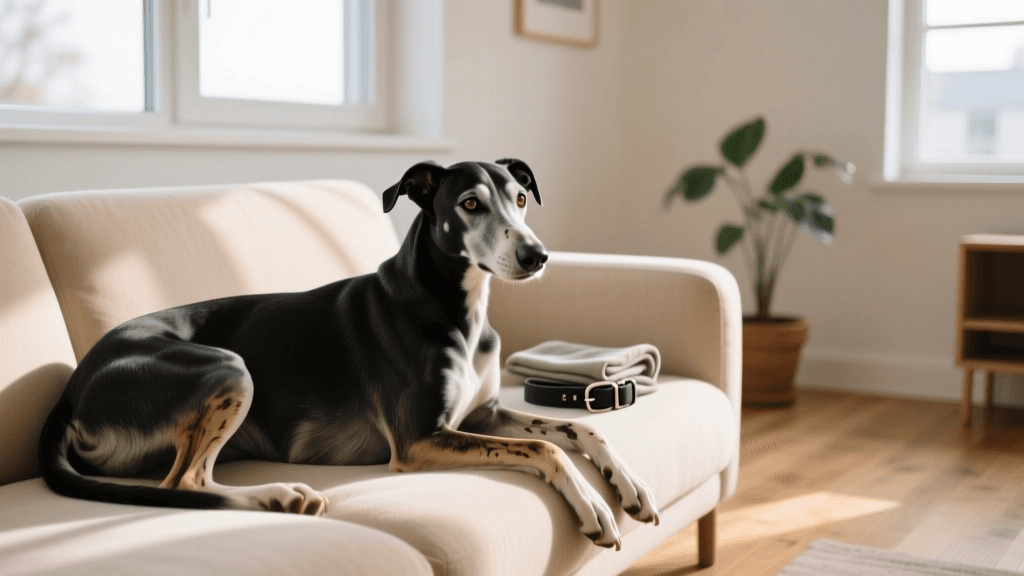
It often surprises first-time dog owners that the Greyhound, a breed famous for racing, is actually one of the most laid-back breeds in existence. Often dubbed "45-mph couch potatoes," Greyhounds are sprinters, not marathon runners. A single, solid 30-minute run in a securely fenced area or a long sniffari walk is usually enough to satisfy their daily requirements. Once inside, they are notorious for sleeping up to 18 hours a day. They are remarkably quiet, rarely barking, and their large size is offset by their tendency to curl up into surprisingly compact spaces. For a remote worker, a Greyhound provides a majestic, silent sentinel that will happily ignore your keyboard clatter while they dream of chasing mechanical lures.
3. Basset Hound
If your home office vibe is relaxed and you appreciate a dog with a profound sense of humor, the Basset Hound is an outstanding candidate. Famous for their soulful eyes and low-slung bodies, Bassets are governed by their noses and a deep-seated love for napping. They are not prone to the frantic, high-energy zoomies that disrupt focus. While they can be stubborn during training, their indoor energy is practically non-existent. A Basset Hound will happily park themselves on a plush rug near your feet and remain there until the scent of your lunch rouses them. Their deep, resonant bark is rarely used indoors, reserving their vocalizations for outdoor squirrel sightings, keeping your professional calls uninterrupted.
4. Shih Tzu
Bred specifically to be royal companions in ancient palaces, the Shih Tzu excels in the modern home office. Unlike terriers that were bred to hunt and dig, the Shih Tzu's only job is to provide affectionate company. They are relatively low-energy, requiring only short, leisurely walks to stay healthy and happy. Their small size makes them ideal for compact home offices or apartment workspaces. While they do require regular grooming to maintain their luxurious coats, many remote workers find the daily brushing routine to be a relaxing, meditative break between intense work sprints. They are generally quiet, friendly, and perfectly happy to observe you from the comfort of a heated dog bed.
5. Whippet
Similar to the Greyhound but in a more medium-sized package, the Whippet is the ultimate quiet companion. Weighing between 25 and 40 pounds, they are sensitive, deeply attached to their owners, and virtually bark-free. Whippets are incredibly attuned to their owner's moods and will intuitively know when you are in "deep work" mode versus when you are taking a break. They are sprinters who love a good burst of speed in a local park, but indoors, they are essentially scaly, short-haired cats that seek out the warmest sunbeam or the softest blanket. Their lack of an undercoat also means minimal shedding, keeping your home office environment clean and allergen-free.
WFH Dog Breed Comparison Chart
| Breed | Avg Weight | Bark Level | Daily Exercise | Home Office Score |
|---|---|---|---|---|
| Cavalier King Charles Spaniel | 12-18 lbs | Very Low | 30-45 mins | 9.5/10 |
| Greyhound | 60-70 lbs | Low | 30 mins (sprint) | 9/10 |
| Basset Hound | 40-65 lbs | Low (Indoors) | 30-45 mins | 8.5/10 |
| Shih Tzu | 9-16 lbs | Low to Moderate | 20-30 mins | 9/10 |
| Whippet | 25-40 lbs | Very Low | 30 mins (sprint) | 9.5/10 |
Optimizing Your Home Office for Your New Dog
Bringing a new dog into your remote work environment in 2026 requires more than just a water bowl and a leash. To ensure your dog remains engaged and quiet during your most critical working hours, you must invest in strategic enrichment tools. According to the American Kennel Club, providing mental stimulation is just as tiring for a dog as physical exercise, making it a perfect strategy for home office tranquility.
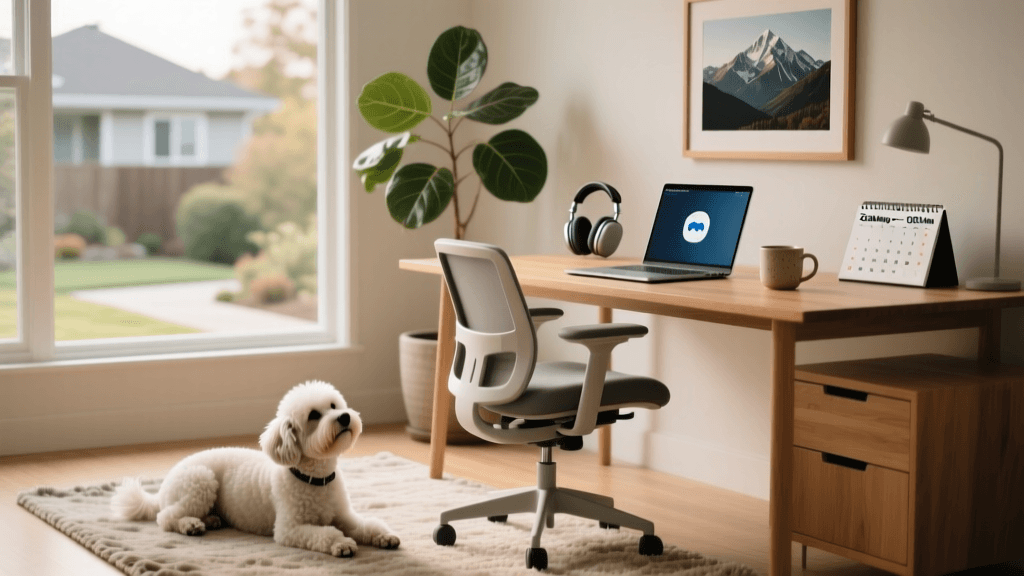
Invest in modern, silent puzzle toys and slow-feed snuffle mats that your dog can work on under your desk. These tools keep their minds occupied and prevent the boredom that leads to whining or attention-seeking behaviors. Additionally, designate a specific "office bed" that is exclusively used during work hours. By pairing this bed with high-value, long-lasting chews, you create a positive association that signals to your dog that it is time to settle down while you tackle your inbox.
Smart pet cameras with treat-tossing capabilities have also become a staple in the 2026 home office. These devices can be incredibly useful for rewarding quiet behavior during long conference calls, allowing you to reinforce good habits without breaking eye contact with your webcam or leaving your ergonomic chair.
Final Thoughts on Choosing Your Co-Worker
Ultimately, the best dog breed for a remote worker is one that aligns seamlessly with your specific professional boundaries and lifestyle. While the breeds listed above are statistically and historically predisposed to being quiet, low-energy companions, individual personalities can vary. When adopting or purchasing a puppy in 2026, spend time observing the dog's reaction to sudden noises, their ability to self-soothe, and their overall demeanor in a quiet room. By prioritizing a calm temperament over high-drive working instincts, you will secure a loyal, loving companion who enhances your work-from-home experience rather than disrupting it. Your home office will transform from a solitary workspace into a shared sanctuary of productivity and unconditional love.
aaron-whyte
All our authors care for dogs every day — read more of their work on the authors page.