Getting a Retired Racing Greyhound: The Complete Guide
Discover everything about adopting a retired racing Greyhound. Learn about costs, home prep, martingale collars, and the transition from track to couch.
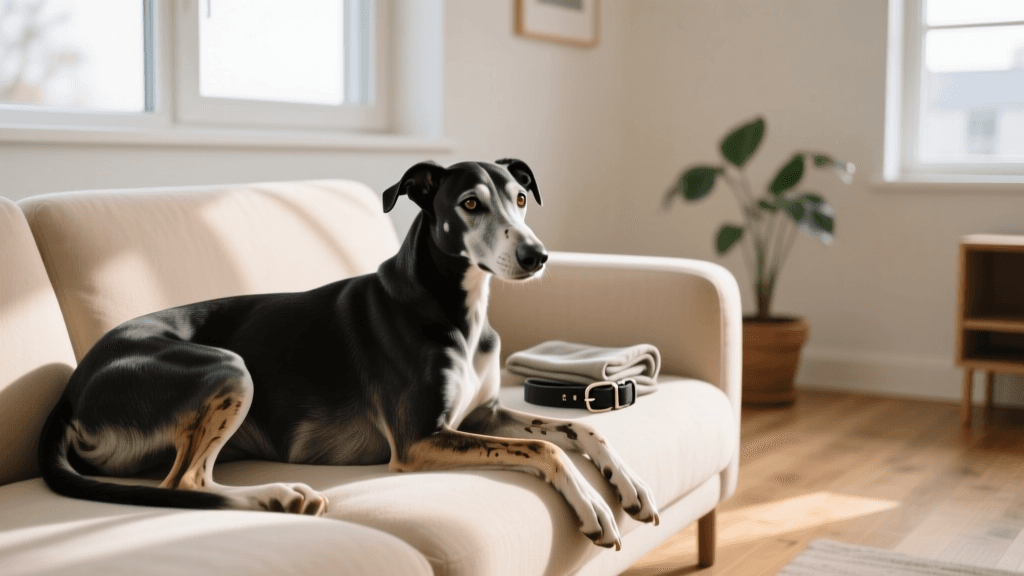
The Allure of the 45-MPH Couch Potato
When most people think of Greyhounds, they picture the breathtaking sight of a sleek, aerodynamic dog sprinting around a track at 45 miles per hour. However, those in the dog rescue community know a well-kept secret: retired racing Greyhounds are actually some of the most dedicated couch potatoes in the canine world. According to the American Kennel Club (AKC), despite their athletic background, Greyhounds are remarkably calm, low-energy companions in the home. If you are considering adding one of these gentle giants to your family, this deep-dive guide will walk you through everything you need to know about adopting a retired racer, from specialized gear to unique veterinary needs.
Bridging the Gap: Track Life vs. Home Life
Retired racing Greyhounds have spent their entire lives in a highly structured kennel environment. They are accustomed to eating on a strict schedule, sleeping in crates, and walking on dirt or turf. Consequently, the modern home is an alien environment filled with bizarre obstacles. Understanding this transition is critical for a successful adoption.
Navigating Stairs and Slick Floors
Most track dogs have never encountered a flight of stairs or slippery hardwood floors. Their paw pads are adapted for dirt, not polished laminate. When you first bring your Greyhound home, you may need to physically support their hindquarters to help them navigate stairs. For slick floors, lay down inexpensive yoga mats, area rugs, or carpet runners to provide traction and prevent terrifying slips that could lead to a sprain or joint injury.
The Glass Door Phenomenon
Greyhounds do not understand the concept of glass. To a dog that has only ever seen open doorways or wire fences, a sliding glass door looks like an open path. To prevent a painful and expensive collision, place strips of brightly colored painter's tape or static-cling decals at your dog's eye level on all glass doors and large windows for the first few months.
The Essential Greyhound Starter Kit
Standard dog gear often does not work for the unique physiology of a Greyhound. Their deep chests, narrow waists, and long necks require specialized equipment.
- Martingale Collars: A Greyhound's neck is often wider than their head, meaning they can easily slip out of a standard buckle collar. You must use a Martingale collar, which tightens slightly when pulled to prevent escape. Look for brands like Houndstooth or Greyhound Gear that offer 1.5-inch to 2-inch wide collars to distribute pressure safely across their delicate necks.
- Front-Clip Harnesses: For leash walking, a front-clip harness like the Ruffwear Front Range is ideal. It gently redirects their pulling without putting pressure on their throat or spine.
- Winter Coats: Greyhounds have virtually no body fat and very thin, single-layer coats. They feel the cold acutely. A high-quality, insulated coat like the Hurtta Extreme Warmer is mandatory for winter walks in colder climates.
- Orthopedic Bedding: Because they lack natural padding, Greyhounds are prone to painful pressure sores (calluses) on their elbows and hips when sleeping on hard surfaces. Invest in a thick orthopedic bed like the Big Barker 7-inch Orthopedic Dog Bed, or provide several folded, heavy-duty human comforters.
- Basket Muzzle: A plastic basket muzzle (such as the Baskerville Ultra) is essential for the first few months, especially during introductions to other pets or outdoor walks where their prey drive might be triggered.
First-Year Cost Breakdown
Adopting a retired racer is generally more affordable than buying a puppy from a breeder, but you must budget for their specialized needs. Below is a realistic cost breakdown for your first year.
| Expense Category | Estimated Cost | Notes |
|---|---|---|
| Adoption Fee | $250 - $450 | Includes spay/neuter, microchip, and basic vetting. |
| Martingale Collar & Leash | $35 - $60 | Do not use retractable leashes; use a 4-6 ft leather or biothane lead. |
| Winter Coat & Pajamas | $80 - $150 | Fleece pajamas for indoor lounging are highly recommended. |
| Orthopedic Bedding | $150 - $300 | Cheap beds will flatten; invest in high-density foam. |
| Initial Dental Cleaning | $500 - $1,000 | Track dogs often have severe dental disease requiring extraction. |
| High-Quality Kibble | $600 - $800 | They eat 3-4 cups a day; avoid grain-free diets linked to DCM. |
Unique Health and Veterinary Considerations
Greyhounds are generally a robust and healthy breed, but their unique physiology requires a veterinarian who is familiar with sighthounds.
Anesthesia Sensitivity
Because Greyhounds have incredibly low body fat and a unique liver metabolism, they cannot process certain barbiturate-based anesthetics the way other dogs do. This can lead to prolonged recovery times or fatal complications. Always ensure your vet uses modern, Greyhound-safe protocols (such as Propofol or Isoflurane) and is aware of the breed's specific metabolic rates. Organizations like Adopt-A-Greyhound provide extensive veterinary resources to share with your local clinic.
Gastric Dilatation-Volvulus (Bloat)
Like many deep-chested breeds, Greyhounds are at a higher risk for bloat, a life-threatening condition where the stomach fills with gas and twists. The ASPCA recommends feeding your Greyhound two or three smaller meals a day rather than one large meal. Furthermore, you must enforce a strict 'no vigorous exercise' rule for one hour before and one hour after eating to minimize this risk.
Navigating Prey Drive and Off-Leash Rules
Greyhounds are sighthounds, meaning their brains are hardwired to chase anything that moves quickly. This includes squirrels, rabbits, leaves blowing in the wind, and sometimes even small dogs or cats. Never let a retired racing Greyhound off-leash in an unfenced area. Their recall training will instantly vanish the moment their prey drive kicks in, and they can reach 40 mph in just a few strides, making it impossible for a human to catch them.
If you have a fenced yard, ensure it is at least 5 feet high, as Greyhounds can easily jump standard 4-foot fences if sufficiently motivated. If you have a cat or a small dog, you must adopt a 'cat-tested' or 'small-dog-tested' Greyhound. Reputable adoption groups will test the dog's reaction to small animals while muzzled and on a leash before clearing them for a multi-pet home.
The 3-3-3 Rule of Greyhound Adoption
Patience is the most important tool in your Greyhound adoption toolkit. Rescue advocates universally recommend the 3-3-3 rule to set realistic expectations for your dog's transition:
- 3 Days to Decompress: Your dog may sleep for 20 hours a day, refuse to eat, or seem aloof. They are overwhelmed by the new sights, sounds, and smells of a home. Give them space and a quiet crate to retreat to.
- 3 Weeks to Learn the Routine: Your Greyhound will start to understand when meals happen, where the potty breaks take place, and how to navigate the stairs. Their true personality will begin to emerge, which may include testing boundaries or showing minor behavioral quirks.
- 3 Months to Feel at Home: By this point, your Greyhound will have formed a deep bond with you. They will know the rules of the house, feel secure in their environment, and fully embrace their new life as a pampered companion.
Adopting a retired racing Greyhound is not just about giving a dog a home; it is about introducing a creature that has only ever known the track to the profound comforts of a soft bed, a warm coat, and unconditional love.
Final Thoughts
Getting a retired racing Greyhound is a deeply rewarding experience. While they require specific gear, a careful approach to home safety, and a knowledgeable veterinarian, the return on investment is a fiercely loyal, quiet, and affectionate companion. By preparing your home, budgeting for their unique needs, and respecting their transition period, you will provide a well-deserved retirement for one of the canine world's most magnificent athletes.
tom-renshaw
All our authors care for dogs every day — read more of their work on the authors page.