2026 Guide: Puppy Fear Periods & Reactivity Training
Learn how to manage your puppy's first fear period in 2026 using the Engage-Disengage game and calming gear to prevent leash reactivity and anxiety.
Understanding the First Puppy Fear Period
Bringing home a new puppy is an exciting milestone, but it is crucial to recognize that early development is not always a smooth upward trajectory. In 2026, veterinary behaviorists and certified dog trainers emphasize the critical importance of navigating the first puppy fear period, which typically occurs between 8 and 11 weeks of age. During this developmental window, a puppy's brain is highly impressionable, and negative experiences can have a lasting impact on their confidence and temperament. According to the American Kennel Club (AKC), this period coincides with the time a puppy would naturally begin exploring further from the den in the wild, making them biologically wired to be hyper-vigilant and cautious of new stimuli.
For owners of breeds predisposed to anxiety or reactivity, managing this fear period is the first line of defense against future behavioral issues. If a puppy is forced into overwhelming situations—such as crowded dog parks, loud urban streets, or aggressive handling by strangers—during this sensitive window, they may develop defensive leash reactivity or generalized anxiety. The goal of modern puppy care is not to force socialization, but rather to practice 'social referencing,' where the puppy learns to look to their owner for guidance and safety when encountering novel sights and sounds.
Recognizing Early Signs of Anxiety and Reactivity
Before a puppy develops full-blown leash reactivity (barking, lunging, and snapping at triggers), they will display subtle, early warning signs of stress and anxiety. Recognizing these micro-expressions in 2026 is a fundamental skill for proactive puppy owners. Common early indicators include:
- Whale Eye: The puppy turns their head away from a trigger but keeps their eyes fixed on it, exposing the whites of their eyes.
- Lip Licking and Yawning: When not related to food or tiredness, these are classic calming signals indicating internal stress.
- Freezing: The puppy stops moving entirely, becoming stiff and unresponsive to treats or their name.
- Shaking Off: A full-body shake when the puppy is not wet, often used to reset the nervous system after a stressful encounter.
- Hyper-Mouthing: Sudden, frantic biting or nipping at the leash or the owner's hands, often mistaken for playfulness but actually a sign of overstimulation.
When you observe these signs, it is imperative to increase the distance between your puppy and the stressor immediately. Pushing a fearful puppy past their threshold does not build resilience; it builds reactivity.
The Engage-Disengage Game: A Step-by-Step Protocol
To proactively manage early reactivity and build positive associations, the Engage-Disengage game remains the gold standard protocol in 2026. Originally developed by Leslie McDevitt, this game teaches the puppy that noticing a trigger predicts a reward, and choosing to look away from the trigger earns an even higher-value reward. Here is how to implement it with a reactive or anxious puppy:
Phase 1: Engage (Mark and Reward)
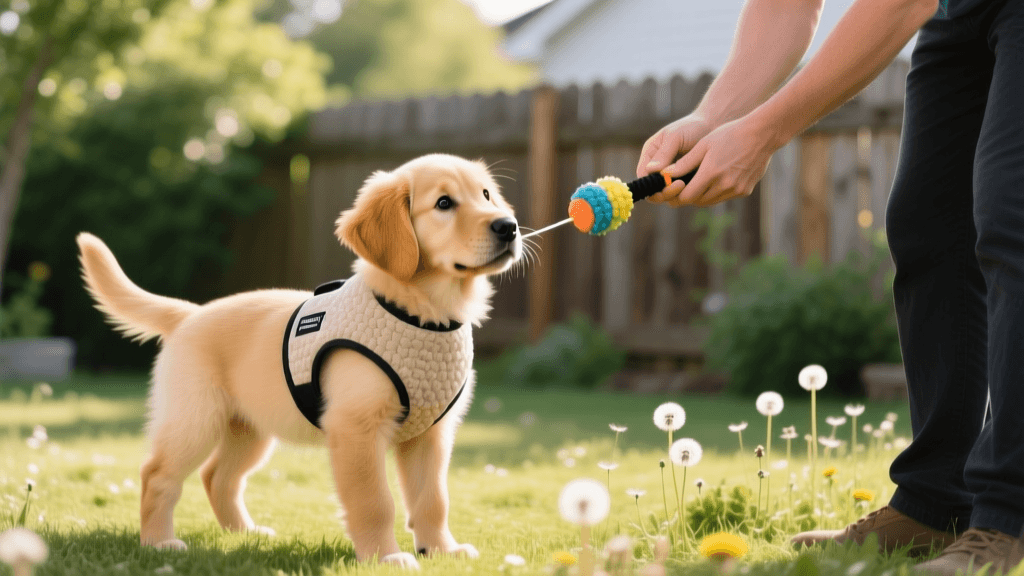
Find an environment where your puppy can see a mild trigger (e.g., a person walking at a distance, a parked bicycle) but is comfortably under their reactivity threshold. The moment your puppy looks at the trigger, use a marker word like 'Yes!' or click a clicker, then immediately deliver a high-value treat (such as boiled chicken or freeze-dried liver) directly to their mouth. You are rewiring their brain to associate the sight of the trigger with a positive outcome.
Phase 2: Disengage (Mark and Reward)
Once your puppy understands that looking at the trigger earns a treat, wait for them to voluntarily look away from the trigger and back at you. The second they make eye contact or turn their head toward you, mark with 'Yes!' and deliver a jackpot reward (three to five small treats in a row). This phase empowers the puppy to make the choice to disengage from the stressor, building confidence and impulse control.
Consistency is vital. Practice this game for just five to ten minutes per session to avoid mental fatigue. Over time, you will notice your puppy automatically offering a 'disengage' look the moment they spot a trigger, effectively short-circuiting the reactive response before it begins.
Recommended Calming Gear for Reactive Puppies in 2026
Equipping yourself with the right gear can drastically reduce your puppy's baseline anxiety and give you better control without causing pain or fear. In 2026, force-free training tools are prioritized to protect the puppy's developing trachea and joints. Below is a comparison of the top recommended gear for managing early reactivity:
| Gear Item | 2026 Model / Brand | Estimated Cost | Primary Benefit for Reactive Puppies |
|---|---|---|---|
| Front-Clip Harness | Rabbitgoo No-Pull Pro Edition | $28 - $35 | Redirects forward momentum safely without choking; prevents the puppy from practicing pulling toward triggers. |
| Calming Compression Vest | ThunderShirt Classic (Breathable Mesh) | $45 - $55 | Provides gentle, constant pressure that soothes the central nervous system during fear periods and loud noises. |
| Quick-Access Treat Pouch | Ruffwear Treat Trader 2026 | $35 - $40 | Magnetic closure allows for lightning-fast treat delivery, crucial for marking the exact moment of disengagement. |
| Scent Work Decompression Mat | Outward Hound Eco-Felt Snuffle Mat | $20 - $25 | Encourages natural foraging behaviors, lowering heart rate and providing mental enrichment indoors. |
| Biothane Long Line | High Tail 15ft Biothane Leash | $30 - $45 | Allows for safe decompression sniffing in open areas without the tangling or weight of traditional nylon lines. |
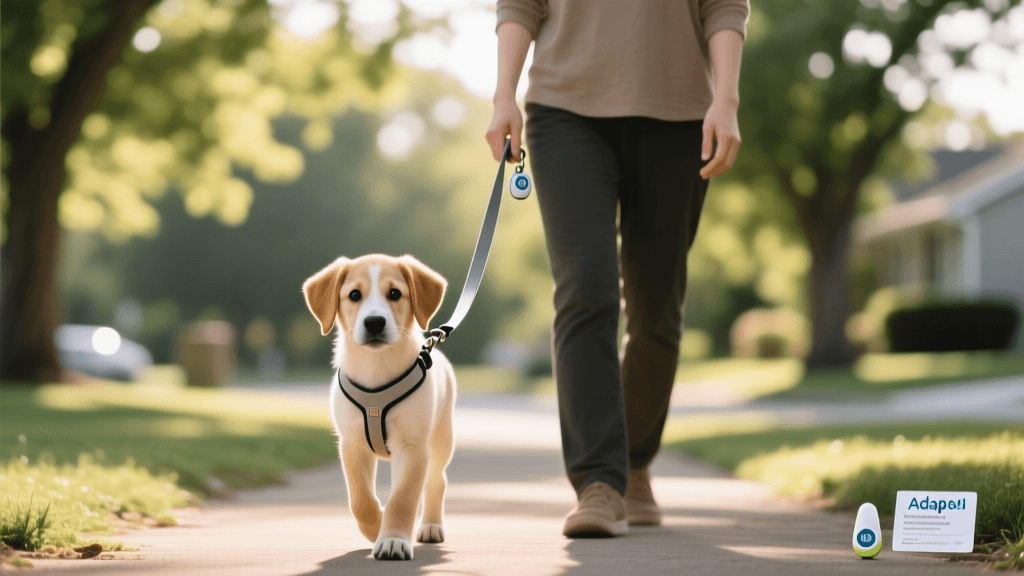
Using a front-clip harness paired with a long line allows you to maintain safety while giving your anxious puppy the spatial autonomy they need to feel secure. Never use slip leads, prong collars, or electronic shock collars on a puppy, as these tools suppress warning signs and can severely exacerbate underlying fear and reactivity.
Environmental Management and Decompression Walks
Managing a puppy through a fear period requires strict environmental control. The ASPCA strongly advocates for positive, controlled exposures rather than overwhelming 'flooding' techniques. In 2026, the concept of the 'Decompression Walk' (often called a Sniffari) has become a cornerstone of reactive dog management. Instead of walking briskly on a tight leash through a busy neighborhood, take your puppy to a quiet, low-traffic field or wooded area.
Attach their harness to a 15-foot long line and allow them to wander, sniff, and explore at their own pace. Sniffing is a naturally self-soothing behavior for dogs; it lowers their heart rate and engages the parasympathetic nervous system. A 20-minute decompression walk where the puppy is allowed to sniff freely provides more mental exhaustion and anxiety relief than a two-hour structured neighborhood walk. If your puppy encounters a trigger during a decompression walk, use the Engage-Disengage protocol, and if they remain over threshold, calmly retreat to a quieter area to let them decompress with a snuffle mat or a frozen lick mat.
Nutritional Support and Calming Supplements
In addition to behavioral protocols, many veterinary behaviorists in 2026 recommend early nutritional support for puppies showing high levels of anxiety. While you should always consult your veterinarian before introducing supplements, ingredients like L-theanine, L-tryptophan, and hydrolyzed milk proteins (found in products like Zylkene) have been shown to support neurotransmitter balance and promote a calm demeanor without causing drowsiness. Incorporating these supplements during the peak of the 8-to-11-week fear period can help lower the puppy's baseline stress, making them more receptive to training and desensitization exercises.
When to Seek Professional Help
While the first fear period is a normal developmental stage, extreme panic, inability to recover from a scare, or aggressive snapping at owners when startled are red flags that require professional intervention. If your puppy is unable to eat treats in the presence of mild triggers or if their reactivity is escalating despite consistent application of the Engage-Disengage game, seek out a certified veterinary behaviorist or a Fear Free certified trainer. Early, science-based intervention is the most effective way to ensure your anxious puppy grows into a confident, well-adjusted adult dog.
tom-renshaw
All our authors care for dogs every day — read more of their work on the authors page.