5 Quiet Puppy Breeds for Apartments: 2026 Training Guide
Discover the top 5 quiet puppy breeds for apartments in 2026. Learn essential first-year socialization, potty training, and teething tips for city dogs.
The Rise of Apartment Puppy Ownership in 2026
As urban living continues to evolve in 2026, more dog owners are navigating the unique challenges of raising a puppy in an apartment or high-rise condo. With stricter municipal noise ordinances and closer proximity to neighbors, selecting a naturally quiet breed is only the first step. The true secret to a harmonious apartment lifestyle lies in dedicated first-year puppy care, focusing on early socialization, strategic potty training, and proactive teething management. According to the American Kennel Club, a dog's temperament in a shared-wall environment is heavily influenced by their early developmental milestones. This comprehensive guide explores the best quiet puppy breeds for apartments and provides a month-by-month care strategy to ensure your puppy grows into a polite, well-adjusted city dweller.
Top 5 Quiet Puppy Breeds for Apartment Living
When evaluating breeds for apartment living, we look for dogs with lower vocalization tendencies, moderate indoor energy levels, and a high adaptability to confined spaces. Here are the top five breeds that excel in quiet environments, provided they receive the correct first-year training.
1. Cavalier King Charles Spaniel
The Cavalier King Charles Spaniel is renowned for its gentle, affectionate nature. As puppies, they are remarkably quiet and tend to stick close to their owners, making them excellent companions for work-from-home apartment dwellers. During their first year, Cavaliers require moderate mental stimulation and early socialization to prevent separation anxiety, which can sometimes manifest as distressed whining if left unaddressed.
2. Greyhound
Often misunderstood as high-energy racing dogs, Greyhound puppies quickly mature into the ultimate "couch potatoes." While a Greyhound puppy will need short, structured outdoor sprints to burn off energy, their indoor demeanor is exceptionally calm and quiet. They rarely bark at hallway noises or passing sirens, making them ideal for high-traffic apartment buildings. Early leash training is critical during their 8-to-16-week socialization window to manage their strong prey drive during urban walks.
3. Pug
Pugs are charming, sturdy, and generally quiet, preferring to snore softly on the sofa rather than bark at the mail carrier. Pug puppies are highly food-motivated, which makes apartment potty training using positive reinforcement highly effective. However, owners must monitor their puppy's weight closely and avoid overfeeding, especially when using high-value treats for indoor training sessions.
4. Shiba Inu
The Shiba Inu is famously clean and relatively quiet, rarely barking without a significant reason. However, Shiba puppies are notoriously stubborn and independent. Early socialization is non-negotiable for this breed. Exposing a Shiba puppy to the sounds of elevators, automatic doors, and crowded lobbies during their critical developmental weeks will prevent fear-based reactivity and nuisance barking later in life.
5. Basset Hound
Basset Hound puppies are laid-back, slow-moving, and generally quiet indoors. While they are famous for their deep, resonant baying, this behavior is usually reserved for tracking scents outdoors. Inside an apartment, a Basset puppy is content to lounge. The primary challenge during their first year is potty training, as they can be stubborn and require immense patience and a strict schedule.
2026 Breed Comparison Chart for Apartment Puppies
| Breed | Estimated Adult Weight | Puppy Energy Level | Vocalization Tendency | Potty Training Difficulty |
|---|---|---|---|---|
| Cavalier King Charles Spaniel | 12-18 lbs | Moderate | Low | Easy |
| Greyhound | 60-70 lbs | Low (Indoor) / High (Outdoor) | Very Low | Moderate |
| Pug | 14-18 lbs | Low to Moderate | Low | Easy |
| Shiba Inu | 17-23 lbs | Moderate | Moderate (Alert barking) | Moderate |
| Basset Hound | 40-65 lbs | Low | Low (Indoor) | Difficult |
First-Year Milestone: Apartment Potty Training
Potty training an apartment puppy in 2026 requires a different approach than training a puppy with a fenced backyard. The logistical challenge of taking an 8-week-old puppy down multiple flights of stairs or waiting for an elevator every two hours can lead to frustrating indoor accidents. To combat this, many urban puppy owners are utilizing hydroponic balcony grass patches or smart indoor potty systems during the first three months of life.
Start by establishing a designated indoor potty zone near the door or on a balcony. Use a consistent verbal cue like "go potty" and reward heavily with treats immediately after the puppy eliminates. As the puppy's bladder control improves—typically around 4 to 5 months of age—you can gradually transition to outdoor walks. According to the Humane Society of the United States, maintaining a rigid feeding and watering schedule is the most effective way to predict and manage a puppy's elimination needs, which is crucial when navigating the delays of apartment elevator transit.
First-Year Milestone: Teething Without the Whining
Between 12 and 24 weeks, puppies lose their baby teeth and their adult teeth emerge. This teething phase often causes discomfort, leading to excessive chewing, whining, and crying—sounds that can easily penetrate shared apartment walls. To keep your quiet puppy comfortable and your neighbors happy, you must provide appropriate, soothing outlets for their chewing urges.
- Frozen Kong Toys: Stuff a rubber Kong with puppy-safe peanut butter and plain yogurt, then freeze it. The cold numbs inflamed gums and keeps the puppy occupied quietly for up to an hour.
- Silicone Teething Rings: Look for puppy-specific silicone rings that can be chilled in the refrigerator. Avoid hard plastic or real bones during this phase, as puppy teeth are fragile and prone to fracturing.
- Environmental Management: Use bitter apple spray on baseboards and furniture legs. Puppies in confined apartment spaces are more likely to chew on drywall or door frames out of boredom. Providing a structured playpen with rotating chew toys prevents destructive, noisy habits from forming.
First-Year Milestone: Urban Socialization
The critical socialization window for puppies occurs between 8 and 16 weeks of age. For an apartment puppy, socialization isn't just about meeting other dogs; it is heavily focused on desensitization to the unique auditory and visual stimuli of urban living. A puppy that is not properly socialized to apartment noises will develop fear-based barking, completely negating the natural quietness of breeds like the Greyhound or Cavalier.
Actively expose your puppy to the sounds of garbage trucks, sirens, elevator dings, and heavy footsteps in the hallway. Play recordings of city noises at a low volume while feeding your puppy their meals, gradually increasing the volume over several weeks. Furthermore, practice "doorway desensitization." Apartment hallways are high-traffic areas. Teach your puppy to sit calmly and make eye contact with you whenever the front door opens, rather than rushing out or barking at passing neighbors. The American Kennel Club emphasizes that positive exposure to novel environments during this developmental window builds lifelong confidence and reduces anxiety-induced vocalization.
Nighttime Crate Training in a Shared-Wall Environment
Nighttime crying is a universal puppy challenge, but in an apartment, a crying puppy can result in noise complaints within days. Crate training is essential for providing your puppy with a secure den, but the setup must be optimized for a quiet environment.
Place the crate in your bedroom for the first few months so the puppy can smell and hear you, which significantly reduces isolation distress. Use a white noise machine placed near the crate to mask the sounds of neighboring apartments and street traffic. If the puppy whines in the middle of the night, first determine if they need to eliminate. If they have recently been outside and are simply fussing for attention, avoid yelling or tapping on the crate, as this rewards the vocalization with a reaction. Instead, wait for a brief moment of silence before offering verbal praise. Consistency during the first 12 weeks will teach your puppy that nighttime is for quiet rest.
Managing Separation Anxiety in Quiet Breeds
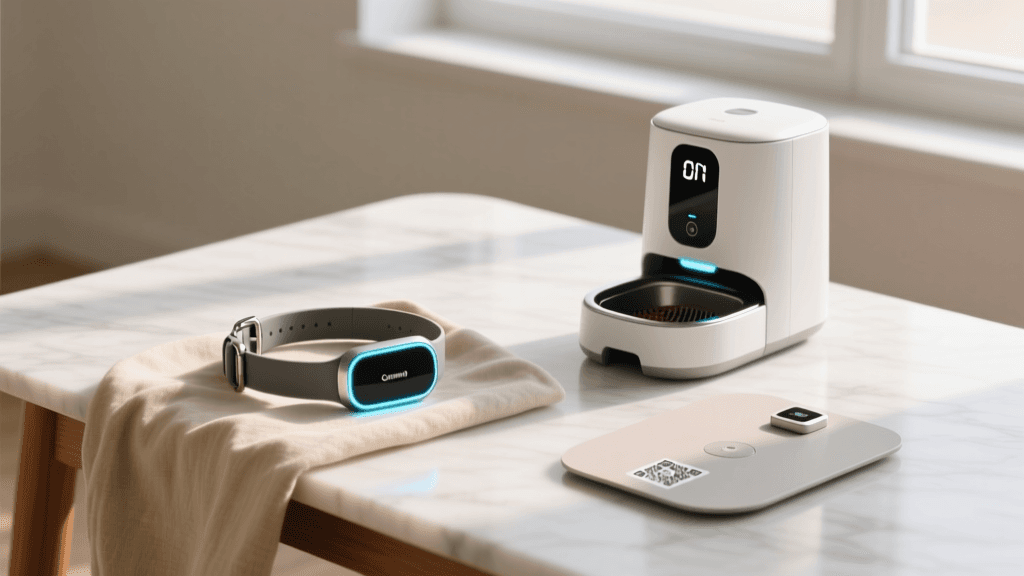
Many quiet breeds, particularly the Cavalier King Charles Spaniel and the Pug, are deeply bonded to their owners and prone to separation anxiety. In 2026, veterinary behaviorists recommend utilizing smart pet cameras and automated treat-dispensing devices to monitor and manage a puppy's stress levels when left alone in an apartment.
Begin by practicing micro-departures. Step out of your apartment door, close it, and immediately return before the puppy has time to react. Gradually increase the duration of your absences from one minute to five minutes, then thirty minutes. Never make a grand entrance or exit; keeping arrivals and departures low-key helps normalize your absence. If your puppy exhibits signs of severe distress, such as prolonged howling or destructive scratching at the door, consult a certified professional dog trainer who specializes in urban behavior modification. Early intervention during the puppy's first year is the key to maintaining a peaceful apartment environment for years to come.
anouk-beaumont
All our authors care for dogs every day — read more of their work on the authors page.