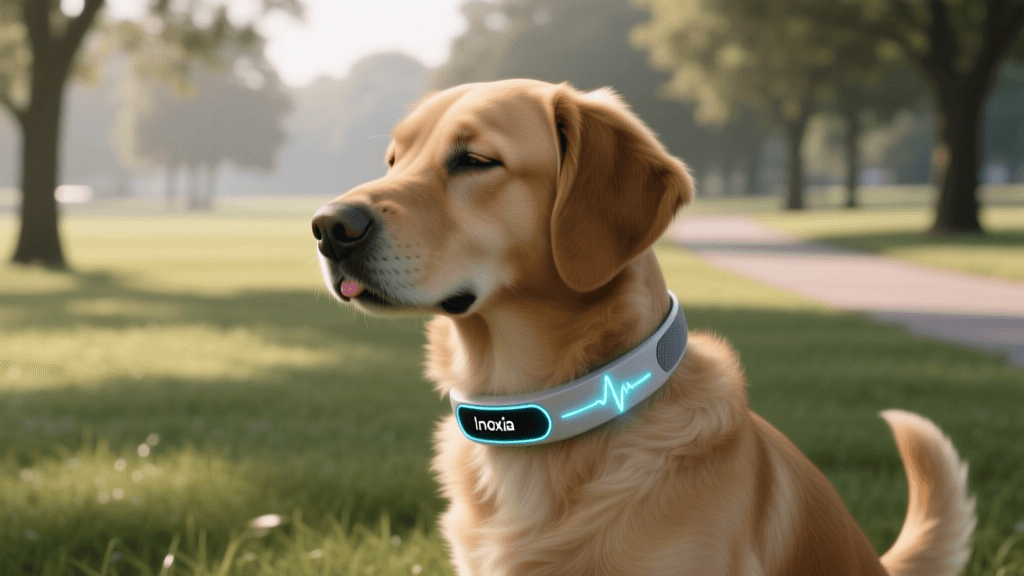
Decoding Dog Stress Signals With Biometric Wearables in 2026
Learn to decode subtle canine stress signals and use 2026 biometric wearables to monitor HRV, ensuring your dog's mental and physical wellbeing.
The Hidden Language of Canine Stress
Dogs are masters of non-verbal communication, yet their subtle cues often go unnoticed until a behavioral or medical issue escalates. In the realm of canine health and wellbeing, understanding stress signals is not just about preventing behavioral outbursts; it is a critical component of preventive healthcare. Chronic stress in dogs elevates cortisol levels, which can suppress the immune system, exacerbate gastrointestinal issues, and accelerate cognitive decline in senior dogs.
Historically, pet parents relied solely on visual observation to gauge their dog's emotional state. However, dogs are evolutionarily hardwired to mask pain and anxiety. By the time obvious signs like panting, pacing, or destructive behavior appear, the dog's nervous system has often been in a state of hyperarousal for weeks or months. Fortunately, the integration of advanced biometric wearables in 2026 has revolutionized how we monitor and interpret canine stress, allowing us to pair visual calming signals with hard physiological data.
Recognizing Subtle Calming Signals
Before diving into technology, it is essential to understand the visual language of canine stress. Norwegian dog trainer Turid Rugaas coined the term 'calming signals' to describe the subtle body language dogs use to de-escalate tension and self-soothe. Recognizing these early indicators is the first step in proactive wellbeing management.
- Whale Eye: When a dog turns its head away but keeps its eyes fixed on a stressor, exposing the whites of the eyes (sclera), it indicates high anxiety and a potential threshold for reactivity.
- Lip Licking and Yawning: While normal after meals or upon waking, rapid lip licking or exaggerated yawning in the middle of a stressful event (like a vet visit or a loud noise) is a primary self-soothing mechanism.
- The Shake-Off: If your dog shakes its entire body as if wet, despite being dry, it is actively attempting to 'shake off' adrenaline and reset its nervous system after a stressful encounter.
- Turning Away and Sniffing: A dog that suddenly becomes intensely interested in sniffing the ground or turns its back to you or another dog is signaling discomfort and a desire to disengage from the current interaction.
The Health Impact of Chronic Stress in 2026
According to recent veterinary behavioral consensus, chronic stress is a silent epidemic in modern urban dogs. Prolonged exposure to stressors—ranging from separation anxiety to noise phobias—keeps the sympathetic nervous system engaged. This continuous 'fight or flight' state leads to systemic inflammation.
In 2026, veterinary immunologists have drawn strong correlations between untreated chronic anxiety and the onset of autoimmune flare-ups, chronic dermatitis, and irritable bowel syndrome (IBS) in canines. Monitoring stress is no longer just a behavioral concern; it is a fundamental pillar of holistic veterinary medicine.
2026 Biometric Wearables: Tracking the Unseen
While visual cues are vital, they are subjective and require the owner to be present. This is where 2026's biometric wearable technology bridges the gap. Modern smart collars have evolved far beyond simple GPS tracking. Today's devices utilize photoplethysmography (PPG) and advanced accelerometers to track Heart Rate Variability (HRV) and Resting Respiratory Rates (RRR) in real-time.
Heart Rate Variability (HRV) is the gold standard for measuring autonomic nervous system balance. A high HRV indicates a relaxed, adaptable dog with a dominant parasympathetic (rest and digest) nervous system. A chronically low HRV suggests sympathetic dominance, indicating hidden stress, pain, or impending illness.
Comparing Top Biometric Wearables for Stress Tracking
| Device Model (2026) | Key Biometric Metrics | Stress Detection Features | Best For |
|---|---|---|---|
| Invoxia Minitailz | HR, HRV, Respiratory Rate, Activity | Real-time HRV alerts, sleep quality scoring, arrhythmia detection | Dogs with hidden cardiac or anxiety issues |
| Whistle Go Health | Resting Heart Rate, Sleep, Scratching | Baseline deviation alerts, stress-induced scratching correlation | Dogs with stress-related dermatitis |
| Fi Series 4 Smart Collar | Activity, Sleep Cycles, Pulse Oximetry | Advanced sleep disruption tracking, recovery score algorithms | Active dogs and post-surgical recovery |
Correlating App Data with Visual Cues
The true power of 2026's wearable technology lies in correlating the app's biometric data with the visual calming signals you observe in daily life. Here is how you can build a comprehensive stress profile for your dog:
- Establish a Baseline: Allow your dog to wear the biometric collar for at least 14 days to establish a resting HRV and respiratory baseline. The 2026 algorithms require this data to accurately flag anomalies.
- Identify Triggers: If you notice your dog exhibiting 'whale eye' or excessive lip licking when the doorbell rings, check the app's HRV graph for that exact timestamp. You will likely see a sharp drop in HRV and a spike in heart rate.
- Monitor Recovery Time: A healthy dog's heart rate should return to baseline within 10 to 15 minutes after a stressor passes. If the app shows your dog's HRV remains suppressed for hours after a walk or a visitor leaves, your dog is struggling to process the adrenaline.
'We no longer have to guess if a dog is coping with a stressful environment. By combining owner-reported behavioral cues with continuous HRV data, we can intervene with environmental enrichment or pharmacological support long before the stress manifests as a physical illness.' — 2026 Consensus Statement on Canine Behavioral Medicine.
Actionable Interventions for Stress Reduction
Once you have identified your dog's specific stress triggers through a combination of body language observation and biometric data, you can implement targeted interventions to improve their wellbeing.
1. Environmental Modification
If your wearable data shows chronic stress spikes during mid-day neighborhood noise, create a sound-dampened safe space. Use white noise machines specifically calibrated for canine hearing ranges, and provide a covered crate to reduce visual stimuli.
2. Pheromone and Olfactory Therapy
Clinical studies continue to support the use of synthetic dog-appeasing pheromones (DAP). Utilizing plug-in diffusers in the rooms where your dog spends the most time can significantly lower baseline respiratory rates and improve sleep quality scores on your biometric app.
3. Decompression Walks
Replace high-stress, leash-reactive neighborhood walks with 'sniffaris' in low-traffic natural areas. Sniffing lowers a dog's heart rate and engages the parasympathetic nervous system. Monitor your dog's HRV on your smart collar during these outings; you should see a marked improvement in recovery scores compared to structured, heel-focused walks.
4. Desensitization and Counter-Conditioning
Work with a certified fear-free trainer to systematically desensitize your dog to their specific triggers. Use your wearable's real-time heart rate monitor to ensure your dog remains under their stress threshold during training sessions. If the heart rate spikes, the training intensity is too high, and you must take a step back.
When to Consult a Veterinary Behaviorist
While environmental changes and training are highly effective, some dogs require medical intervention. If your dog's biometric data consistently shows a low HRV, elevated resting heart rate, and disrupted sleep cycles despite your best environmental modifications, it is time to consult a professional.
Red flags that warrant an immediate veterinary behaviorist consultation include:
- Panic responses resulting in self-injury (e.g., breaking teeth on crates during thunderstorms).
- Inability to eat or drink when left alone or exposed to mild stressors.
- Sudden onset of aggression correlated with biometric pain or stress indicators.
- Chronic gastrointestinal distress that veterinary tests cannot link to a physical pathogen.
By merging the ancient art of reading canine body language with the cutting-edge biometric tracking of 2026, pet parents are uniquely equipped to safeguard their dogs' mental and physical health. For more comprehensive information on managing canine anxiety and behavioral health, consult the ASPCA's dog behavior resources or explore the American Kennel Club's training and behavior hub. Understanding your dog's hidden language is the ultimate act of love and preventive care.
aaron-whyte
All our authors care for dogs every day — read more of their work on the authors page.