Top 7 Quiet Dog Breeds for Apartments in 2026 Reviewed
Discover the top quiet dog breeds for apartments in 2026. Learn which low-bark dogs thrive in small spaces and easily pass HOA noise restrictions.
Navigating Apartment Living with Dogs in 2026
As urban housing trends continue to evolve in 2026, apartment living remains the primary housing choice for millions of pet owners. However, sharing walls, floors, and ceilings with neighbors means that noise management is no longer just a courtesy—it is a strict requirement enforced by modern Homeowner Associations (HOAs) and strata councils. If you are renting or owning a condo, choosing a vocal breed can quickly lead to noise complaints, fines, or even eviction. Fortunately, many wonderful dog breeds are naturally predisposed to a quiet, relaxed lifestyle, making them perfect companions for shared living spaces.
According to the American Kennel Club (AKC), the best apartment dogs are not necessarily the smallest dogs, but rather those with lower energy levels and a calm indoor demeanor. In this comprehensive guide, we explore the top seven quiet dog breeds for apartments in 2026, complete with care tips, enrichment strategies, and training advice to ensure a harmonious living environment for you, your dog, and your neighbors.
Why Choosing a Low-Vocalization Breed Matters
Many prospective dog owners mistakenly believe that any small dog will do well in an apartment. In reality, many small terriers and spitz breeds were historically bred to alert their owners to intruders or hunt pests, resulting in a high-pitched, frequent bark. In a densely populated apartment building, hallway footsteps, elevator dings, and neighboring conversations can trigger these alert-barking instincts constantly.
Choosing a breed with a naturally low vocalization drive reduces stress for your dog and prevents neighbor disputes. The ASPCA notes that while all dogs bark to communicate, breeds with lower territorial instincts and higher adaptability to environmental stimuli are significantly easier to manage in close-quarters living. Furthermore, quiet breeds tend to be more relaxed indoors, which is essential when square footage is limited.
The 7 Best Quiet Dog Breeds for Apartments
1. Basenji (The Barkless Dog)
Famously known as the 'barkless dog,' the Basenji is a unique hound originating from Central Africa. Due to the unusual shape of their larynx, Basenjis do not produce a traditional bark. Instead, they communicate through a unique yodel-like sound called a 'baroo,' as well as through typical canine body language. Weighing between 22 and 24 pounds, they are compact, clean, and virtually odorless. While they are incredibly quiet, they are also highly intelligent and require daily mental stimulation and brisk walks to prevent destructive boredom.
2. Greyhound (The 45-MPH Couch Potato)
Despite their reputation as elite racing athletes, Greyhounds are notoriously lazy indoors. Often dubbed '45-mph couch potatoes,' these gentle giants are perfectly content to curl up on a dog bed and sleep for up to 18 hours a day. Greyhounds rarely bark, preferring to express themselves with soft whines or by leaning against their owners. Because they are sprinters rather than endurance runners, a short 20-minute walk and a brief sprint in a secure, enclosed dog park are usually enough to satisfy their daily exercise requirements.
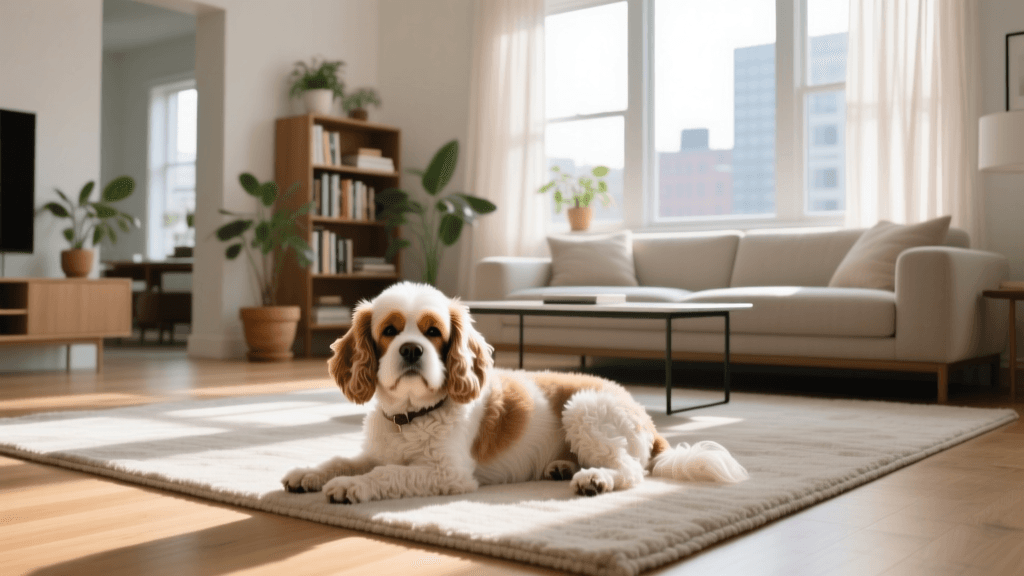
3. Cavalier King Charles Spaniel
The Cavalier King Charles Spaniel is the epitome of a gentle, affectionate companion. Weighing between 13 and 18 pounds, they are small enough for any apartment but sturdy enough for longer walks. Cavaliers are known for their sweet, quiet disposition and eagerness to please. They rarely bark without a significant reason and are highly attuned to their owner's emotions. Their moderate energy levels mean they are just as happy lounging on the sofa as they are taking a stroll through the neighborhood.
4. French Bulldog
French Bulldogs continue to dominate urban living spaces in 2026 due to their adaptable, easygoing nature. Frenchies are not big barkers; they are much more likely to greet the mail carrier with a soft grunt or a head tilt than a loud warning bark. Their low exercise requirements make them ideal for high-rise apartments without immediate access to large yards. However, prospective owners must be mindful of their brachycephalic (flat-faced) anatomy, ensuring they are kept cool during summer months and utilizing a harness rather than a collar to protect their airways.
5. Whippet
If you love the temperament of a Greyhound but lack the floor space for a large dog, the Whippet is the perfect alternative. Weighing between 25 and 40 pounds, Whippets are incredibly quiet, sensitive, and deeply bonded to their families. They are notoriously clean dogs and are known to be fastidious about their living spaces. A Whippet will happily spend the day under a blanket on your lap, requiring only a moderate daily walk and the occasional chance to run in a safe, fenced area.
6. Bolognese
The Bolognese is a rare, ancient Italian breed that makes an exceptional apartment companion. Unlike their louder Bichon cousins, the Bolognese is notably more reserved, serious, and quiet. They are deeply devoted to their owners and tend to shadow them from room to room. Their small size (under 10 pounds) and low-shedding coat make them a favorite among condo dwellers. They require regular grooming to maintain their signature fluffy white coat but are otherwise low-maintenance in terms of exercise and vocalization.
7. Japanese Chin
Often described as 'cat-like' in their demeanor, the Japanese Chin is an elegant, quiet, and dignified toy breed. Bred for centuries as companions to royalty, they are naturally calm and aloof with strangers, rarely engaging in nuisance barking. Japanese Chins are highly intelligent and can even be taught to use indoor litter systems, which is a massive advantage for high-rise apartment dwellers during inclement weather. They require minimal exercise and thrive in quiet, peaceful environments.
Comparison Chart: Quiet Breeds at a Glance
| Breed | Average Weight | Energy Level | Bark Frequency | Grooming Needs |
|---|---|---|---|---|
| Basenji | 22-24 lbs | High | Very Low (Yodels) | Low |
| Greyhound | 60-70 lbs | Low (Indoors) | Very Low | Low |
| Cavalier King Charles | 13-18 lbs | Moderate | Low | Moderate |
| French Bulldog | 16-28 lbs | Low | Low | Low |
| Whippet | 25-40 lbs | Moderate | Very Low | Low |
| Bolognese | 5-10 lbs | Low | Low | High |
| Japanese Chin | 4-11 lbs | Low | Very Low | Moderate |
Apartment Soundproofing and Noise Management
Even the quietest dog breeds can occasionally vocalize when startled by a loud neighbor or a dropping object upstairs. Managing your apartment's acoustic environment is crucial in 2026. Invest in high-density acoustic rugs and heavy thermal curtains to absorb sound reflections. For managing external hallway noises that might trigger your dog, smart white noise machines like the Hatch Restore 3 or LectroFan Evo are excellent tools. These devices can be scheduled via smartphone to emit soothing pink or brown noise, effectively masking the sounds of elevators and foot traffic.
Additionally, smart pet cameras with AI-driven bark detection have become highly advanced. Devices like the Furbo 360 can automatically dispense treats or play a pre-recorded calming voice message from the owner when the camera's AI detects the early stages of vocalization, interrupting the behavior before it escalates into a barking fit.
Enrichment for Quiet Indoor Breeds
A bored dog is a noisy dog. Because many quiet breeds have lower physical exercise requirements, mental enrichment becomes the primary way to expend their energy. In a small apartment, physical fetch is rarely an option. Instead, rely on scent work and puzzle feeders.
- Snuffle Mats and LickiMats: Spreading your dog's daily kibble across a silicone LickiMat or hiding it within the fleece strips of a snuffle mat can turn a five-minute meal into a 20-minute foraging session, naturally calming the dog's nervous system.
- Interactive Puzzle Toys: Brands like Outward Hound and Nina Ottosson offer multi-level puzzle toys that require dogs to slide, lift, and spin compartments to access treats. This mental fatigue is often more tiring than a long walk.
- Window Perches: For breeds like the Japanese Chin or Whippet, a secure, suction-cupped window hammock provides 'dog TV'—allowing them to quietly watch the world go by without feeling the need to alert-bark at pedestrians.
Training the 'Quiet' Command
While genetics play a massive role in a dog's vocalization, training is the final piece of the puzzle. Teaching a reliable 'Quiet' command is essential for apartment living. When your dog barks at a hallway noise, acknowledge the trigger by saying 'Thank you,' which validates their alert. Then, use a high-value treat (like freeze-dried liver or boiled chicken) to lure their nose away from the door. As soon as they stop barking to sniff the treat, say 'Quiet' and reward them. Over time, they will associate the cessation of barking with high-value rewards.
Consistency is key. Never yell at your dog to stop barking, as they will interpret your raised voice as you 'barking' along with them, which only heightens their arousal level. By combining a naturally quiet breed with proactive environmental management and positive reinforcement training, you can enjoy a peaceful, joyful life with your dog in any apartment setting in 2026 and beyond.
beth-carrasco
All our authors care for dogs every day — read more of their work on the authors page.