Step-by-Step Guide to Car Training Your Anxious Dog
Car train your anxious dog with our step-by-step guide. Discover desensitization techniques, safety gear, and calming tips for stress-free travel today.
Understanding Canine Car Anxiety
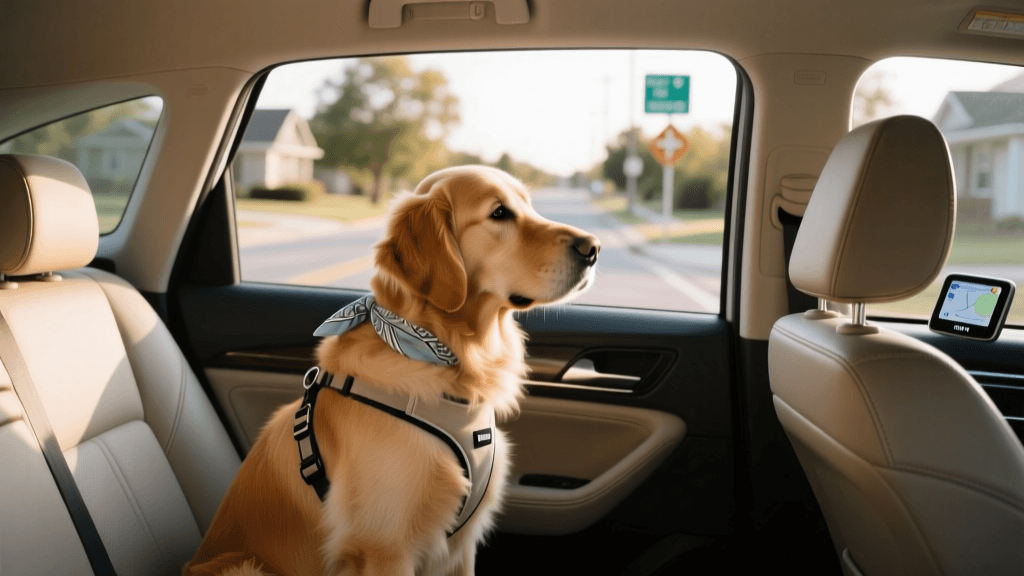
Traveling with your dog should be a joyful experience, whether you are heading to the local park, embarking on a cross-country road trip, or simply visiting the veterinarian. However, for many dogs, the car is a source of immense stress. Canine car anxiety typically stems from one of three root causes: motion sickness, lack of early socialization, or negative associative memories (such as only riding in the car to visit the vet for vaccinations). According to the Fear Free Pets initiative, forcing an anxious dog into a moving vehicle can trigger a severe fear response, leading to panting, drooling, whining, and even gastrointestinal distress. To build a lifelong love of travel, we must replace fear with positive associations through systematic desensitization and counter-conditioning.
Essential Gear for Safe and Calm Car Travel
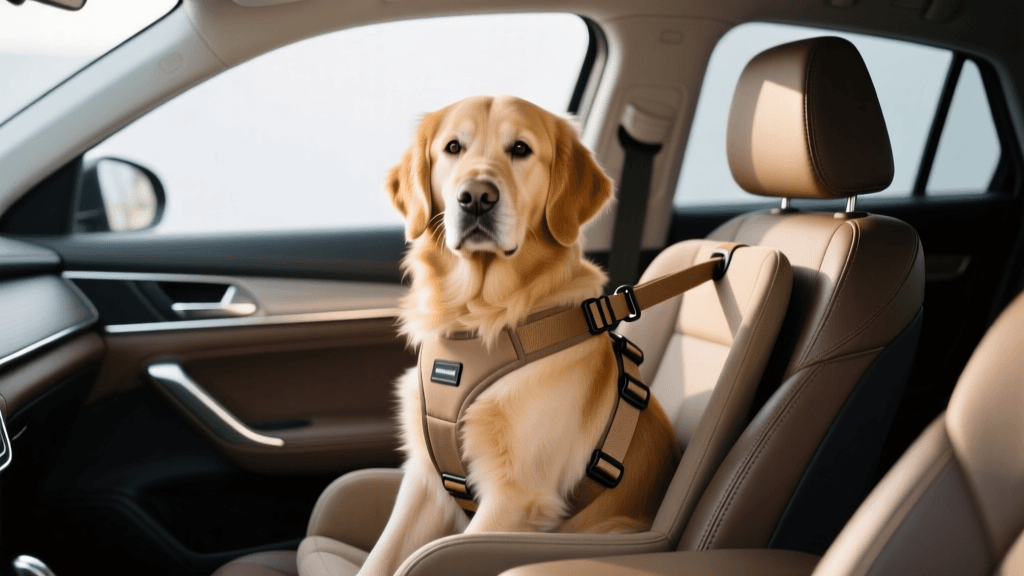
Before beginning your training protocol, you must invest in the proper safety and calming equipment. An unrestrained dog is not only a distraction but a dangerous projectile in the event of a sudden stop. The ASPCA strongly recommends securing pets in a crash-tested harness or a secured crate. Here is the essential gear you will need for this training guide:
- Crash-Tested Harness: The Sleepypod Clickit Sport (approx. $95) or the Kurgo Tru-Fit Smart Harness (approx. $35). These feature steel nesting buckles and wide chest plates to distribute force.
- Crash-Tested Crate: For dogs who prefer an enclosed space, the Ruff Land Performance Kennel (approx. $250) is a top-tier choice. It must be strapped down using heavy-duty ratchet straps.
- High-Value Training Treats: Standard kibble will not cut it when a dog is over threshold. Use Zuke's Mini Naturals (approx. $8 per bag) or boiled, unseasoned chicken breast cut into pea-sized pieces.
- Calming Pheromones: Adaptil Transport Spray (approx. $22) mimics natural dog-appeasing pheromones. Spray it on your car seats or inside the crate 15 minutes before training.
- Non-Slip Mat: A simple rubberized bath mat or a specialized dog car seat cover (approx. $40) prevents slipping, which is a major trigger for motion sickness and anxiety.
Step-by-Step Car Desensitization Training
This protocol requires patience. Do not rush the steps. If your dog shows signs of stress (lip licking, yawning, trembling), you have moved too fast. Return to the previous step and proceed more slowly.
Step 1: The Driveway Hangout (Days 1 to 5)
Begin with the car parked in your driveway with the engine completely off. Open all the doors to remove the feeling of being trapped. Toss high-value treats onto the back seat or into the crate. Allow your dog to enter and exit the vehicle at their own pace. Do not close the doors. Spend 5 to 10 minutes per session, twice a day. Your goal is to make the car a predictable, boring, and rewarding environment. Feed your dog their regular meals inside the stationary car to build a strong positive association. Ensure the car is at a comfortable temperature, ideally between 68°F and 72°F, as dogs can quickly overheat in stationary vehicles, even in mild weather.
Step 2: Engine On, Car in Park (Days 6 to 10)
Once your dog happily jumps into the car and settles down, it is time to introduce the sound and vibration of the engine. Secure your dog in their harness or crate. Sit in the driver's seat, start the engine, and immediately begin feeding treats or offer a long-lasting chew like a frozen Kong stuffed with peanut butter. Keep the car in park. Run the engine for 3 to 5 minutes, then turn it off, reward your dog, and end the session. The Center for Pet Safety emphasizes that acclimating dogs to the sensory input of a running vehicle while stationary is a critical step in preventing motion-induced panic.
Step 3: The Five-Minute Drive (Weeks 3 to 4)
Now, take the car out of the driveway. Drive for just two to five minutes around your quiet neighborhood. Keep the radio off or play specially designed calming canine music (such as Through a Dog's Ear). Drive smoothly, avoiding hard braking or sharp turns. Keep the windows rolled up or only cracked an inch. While many dogs love the wind in their fur, the intense sensory overload of smells and debris at 30 mph can trigger reactivity and anxiety in nervous dogs. Have a passenger sit in the back seat to periodically drop treats to your dog, reinforcing that the movement of the car predicts good things. End the drive before your dog shows any signs of anxiety.
Step 4: Destination Training (Week 5 and Beyond)
Dogs with car anxiety often associate the vehicle exclusively with the veterinary clinic. You must break this association by driving to highly rewarding locations. Take short, five-minute drives to the park, a pet-friendly store, or a hiking trail. Let your dog out, play for fifteen minutes, and then load them back into the car to drive home. Over time, gradually increase the duration of the drives.
Comparison Chart: Car Restraint Options
Choosing the right restraint is vital for both safety and anxiety reduction. Below is a comparison of the most common car travel options for dogs.
| Restraint Type | Product Example | Avg. Cost | Best For | Safety & Anxiety Notes |
|---|---|---|---|---|
| Crash-Tested Harness | Sleepypod Clickit Sport | $95 | Dogs who like to see out the window | Must be CPS-certified. Keeps dog secure but allows some movement. |
| Crash-Tested Crate | Ruff Land Performance Kennel | $250 | Anxious dogs who prefer a den | Highest safety rating. Covering the crate can reduce visual overstimulation. |
| Backseat Hammock | Kurgo Bench Hammock | $45 | Older dogs needing joint support | Prevents falling into the footwell. Must be paired with a harness tether. |
| Front Seat Carrier | Sleepypod Mobile Pet Bed | $180 | Small dogs (under 15 lbs) | Secures via seatbelt. Airbag must be deactivated if placed in front. |
Troubleshooting Common Setbacks
Even with meticulous step-by-step training, setbacks can occur. Here is how to handle the most common issues:
- Motion Sickness vs. Anxiety: If your dog drools excessively, smacks their lips, or vomits, they may be suffering from physiological motion sickness rather than purely psychological anxiety. Consult your veterinarian about anti-nausea medications like Cerenia (maropitant citrate). Treating the physical nausea is often a prerequisite for successful behavioral training.
- Pacing and Whining: If your dog cannot settle and paces in the backseat, your restraint may be too loose, or the dog is under-exercised. Ensure you take your dog for a vigorous 20-minute walk before any car training session to burn off excess physical energy.
- Refusal to Enter the Car: If your dog puts on the brakes at the car door, do not pull their collar or push them inside. This will trigger an opposition reflex and increase fear. Instead, place a trail of high-value treats leading up to the door and onto the seat, or use a portable ramp to make the physical act of climbing easier for smaller or arthritic dogs.
- Owner Anxiety: Dogs are highly attuned to our emotional states. If you are stressed about your dog being stressed, they will mirror your tension. Practice deep breathing, listen to calming music yourself, and maintain a relaxed posture while driving.
When to Consult a Veterinary Behaviorist
If you have followed this step-by-step guide for several weeks and your dog remains highly reactive, refuses to eat treats in the car, or exhibits signs of extreme panic (such as frantic escape attempts or loss of bowel control), it is time to seek professional help. A board-certified veterinary behaviorist can assess your dog for underlying generalized anxiety disorders and may prescribe short-term situational anti-anxiety medications, such as Trazodone or Gabapentin. These medications can lower your dog's stress threshold enough to allow the desensitization training to actually take effect. Remember, the goal of life with your dog is mutual enjoyment, and there is no shame in utilizing modern veterinary science to help your pet overcome their fears. Consistency is the cornerstone of any successful training protocol, so stick to the plan, celebrate the small victories, and look forward to the open road ahead.
robin-maitland
All our authors care for dogs every day — read more of their work on the authors page.