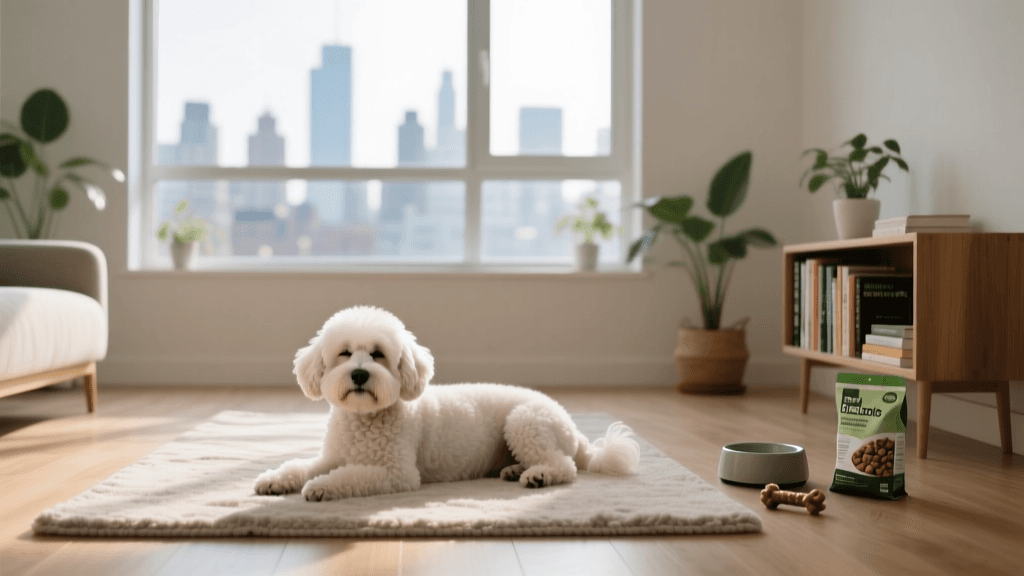
Top Quiet Apartment Dog Breeds: 2026 Health Guide
Discover the best quiet dog breeds for apartments in 2026. Learn essential health, mental enrichment, and nutrition tips for low-vocalization urban pets.
The Appeal of Low-Vocalization Breeds in Urban Spaces
As urban living continues to evolve in 2026, high-density apartment complexes remain the primary housing choice for millions of pet owners. For dog lovers in these environments, selecting a quiet breed is not just a matter of neighborly courtesy; it is a critical component of responsible pet ownership and community harmony. However, a quiet dog is not inherently a low-maintenance dog. In fact, breeds that bark less frequently often internalize their stress, boredom, or physical discomfort, making proactive health and wellbeing management absolutely essential. According to the American Kennel Club (AKC) Lifestyle Resources, understanding the unique physiological and psychological needs of low-vocalization breeds is the first step toward ensuring a thriving urban pet.
This comprehensive 2026 guide explores the top quiet dog breeds suited for apartment living, detailing their specific health risks, mental enrichment requirements, and tailored nutritional strategies to help your canine companion thrive in a compact space.
The Physiology of Quiet: Why Some Breeds Bark Less
Barking is a primary form of canine communication, but selective breeding over centuries has minimized this trait in certain lines. Breeds originally developed for stealth hunting, independent guarding, or quiet companionship tend to vocalize less. While this is ideal for thin apartment walls, it means owners must become adept at reading subtle body language. A quiet dog experiencing joint pain or anxiety may not whine or bark; instead, they might exhibit lethargy, excessive licking, or a reluctance to jump onto the couch. Recognizing these silent signs is a cornerstone of modern preventive veterinary care.
Top Quiet Breeds and Their Specific Health Profiles
1. The Greyhound: The 45-MPH Couch Potato
Despite their reputation as elite athletes, retired racing Greyhounds are notoriously lazy indoors, making them exceptional apartment dogs. They rarely bark and are generally content to sleep on a soft bed for 18 hours a day. However, their lack of body fat and thin coats make them highly susceptible to pressure sores and joint stiffness when living on hard apartment flooring. In 2026, veterinary orthopedic specialists strongly recommend investing in high-density, orthopedic memory foam beds specifically designed for deep-chested breeds to prevent bursitis and support aging joints.
2. Cavalier King Charles Spaniel: The Affectionate Companion
Cavaliers are gentle, exceptionally quiet, and deeply bonded to their owners. Their primary health concern is Mitral Valve Disease (MVD), a genetic heart condition that affects a significant portion of the breed. The 2026 veterinary consensus mandates annual echocardiograms starting at age four. Furthermore, because they are so deeply attached, Cavaliers are prone to severe separation anxiety. While they may not howl when you leave, they can develop stress-induced gastrointestinal issues or destructive chewing habits. Utilizing smart pet cameras with two-way audio and automated treat dispensers can help mitigate this silent anxiety while you are at work.
3. Shiba Inu: The Independent Feline-Canine
Shiba Inus are famously clean and relatively quiet, often compared to cats in their demeanor. They are highly intelligent but stubborn. Their primary wellbeing challenge in an apartment is mental under-stimulation. A bored Shiba will not necessarily bark; instead, they will dismantle your furniture. Scent-work games and advanced puzzle feeders are non-negotiable for this breed to maintain cognitive health and prevent neurotic behaviors.
4. Basset Hound: The Low-Rider Scent Hound
Basset Hounds are laid-back and generally quiet indoors, though they may bay if they catch an interesting scent. Their elongated spines and short legs put them at a high risk for Intervertebral Disc Disease (IVDD). In an apartment setting, allowing a Basset Hound to repeatedly jump on and off standard-height couches or beds can lead to catastrophic spinal injuries. Pet ramps and orthopedic stairs are mandatory household fixtures for this breed in 2026.
Mental Health: Preventing Boredom in Low-Vocalization Dogs
A common misconception is that a quiet dog is a content dog. In reality, low-vocalization breeds require rigorous mental enrichment to stave off depression and anxiety. The ASPCA Dog Care Guidelines emphasize that cognitive stimulation is just as tiring—and as important—as physical exercise. For apartment dwellers, this means utilizing vertical space and interactive technology.
- Smart Puzzle Feeders: The 2026 market features app-controlled puzzle toys that randomize treat dispersion, forcing the dog to use problem-solving skills rather than just brute force.
- Scent Mats and Snuffle Pads: Hiding kibble in dense fabric mats taps into a dog's natural foraging instincts, providing up to 30 minutes of intense mental focus.
- Flirt Poles for Indoor Use: For breeds with a prey drive but limited space, telescopic indoor flirt poles allow for safe, joint-friendly chasing games in a hallway or living room.
Physical Wellness and Space-Adapted Exercise
While apartment dogs may not have a backyard to roam, they still require structured physical activity to maintain cardiovascular health and muscle tone. Below is a comparison of the exercise needs and primary health risks for the top quiet apartment breeds.
| Breed | Avg Weight | Daily Exercise (Mins) | Primary Health Risk | Apartment Suitability |
|---|---|---|---|---|
| Greyhound | 60-70 lbs | 45 (Leash walking) | Pressure Sores / Bloat | High |
| Cavalier King Charles | 13-18 lbs | 30-45 | Mitral Valve Disease | Very High |
| Shiba Inu | 17-23 lbs | 60 (Mental + Physical) | Anxiety / Destructive Boredom | Moderate |
| Basset Hound | 40-65 lbs | 30 (Low impact) | IVDD / Obesity | High |
For all these breeds, avoiding high-impact activities on slippery apartment floors (like hardwood or laminate) is crucial. Utilizing interlocking foam mats or securing non-slip area rugs can prevent cruciate ligament tears and hip dysplasia exacerbations.
2026 Nutrition Trends for Low-Activity Apartment Dogs
Apartment living inherently restricts a dog's incidental exercise. A dog in a suburban home with a yard may burn hundreds of extra calories a day simply patrolling the perimeter or playing in the grass. An apartment dog's caloric expenditure is strictly limited to scheduled walks. Consequently, obesity is a rampant issue among urban canines. The American Veterinary Medical Association (AVMA) consistently warns that excess weight exacerbates joint issues, respiratory problems, and cardiovascular strain.
In 2026, the gold standard for feeding low-activity apartment dogs is precision-portioned, fresh-food delivery services. These meals are formulated with lower caloric density but high fiber content to promote satiety without weight gain. If feeding traditional kibble, owners must use a digital kitchen scale to measure meals, as even an extra 10% of daily calories can lead to significant weight gain over a year in a low-energy breed like the Basset Hound or Greyhound.
Preventive Care and Urban Vet Access
Living in an apartment often means living in a bustling urban center with excellent access to advanced veterinary care. Take advantage of this proximity by establishing a relationship with a local clinic for bi-annual wellness exams. Furthermore, urban environments present unique stressors, such as sirens, construction noise, and crowded elevators. Even if your dog does not bark at these stimuli, their cortisol levels may spike. Discussing noise-phobia management strategies, including pheromone diffusers, compression garments, or short-term anti-anxiety medications, with your veterinarian is a vital component of holistic urban dog care.
Conclusion
Choosing a quiet dog breed for your apartment is a wonderful way to enjoy canine companionship without disrupting your building's peace. However, silence should never be mistaken for an absence of needs. By prioritizing mental enrichment, strict weight management, and proactive veterinary screening for breed-specific conditions, you can ensure your low-vocalization companion lives a long, vibrant, and deeply fulfilling life in your urban home.
aaron-whyte
All our authors care for dogs every day — read more of their work on the authors page.