Top Quiet Dog Breeds for Apartments in 2026: Behavior Guide
Find the best quiet dog breeds for apartments in 2026. Learn the behavioral science and instincts that make these canines ideal for small living spaces.
The Rise of Apartment Canines in 2026
As urbanization continues to accelerate in 2026, apartment living has become the default for millions of dog owners worldwide. While sharing a small space with a canine companion is deeply rewarding, it comes with unique behavioral challenges—most notably, noise. In high-density housing, a dog's natural instinct to vocalize can quickly lead to neighbor disputes and lease violations. However, not all dogs are prone to excessive barking. By understanding the psychology of canine vocalization and the historical instincts of specific breeds, you can select a companion perfectly suited for a quiet, peaceful apartment lifestyle.
The Psychology of Canine Vocalization
To understand why some dogs are quiet, we must first understand why dogs bark. According to the ASPCA's guide on canine barking behaviors, vocalization is a self-rewarding behavior driven by various triggers, including territorial alerts, separation anxiety, boredom, and excitement. In an apartment setting, the close proximity of strangers walking down hallways or the sound of neighboring doors closing can trigger a dog's territorial instinct. Breeds that were historically developed to alert humans to intruders or to track prey using their voices are naturally more vocal. Conversely, breeds developed for silent hunting or purely for companionship lack the genetic predisposition to bark at everyday environmental stimuli.
Breed Instincts: Sighthounds, Scenthounds, and Companions
The key to finding a quiet apartment dog lies in examining their ancestral jobs. Sighthounds, such as Greyhounds, hunt using their vision and rely on silent stealth to chase down prey. They are generally unbothered by auditory triggers like hallway footsteps. Companion breeds, on the other hand, were developed to sit quietly with royalty or provide gentle affection without the need for vocal alerts. Understanding these foundational instincts is critical for modern apartment dwellers looking to maintain a tranquil home environment.
Top 5 Quiet Dog Breeds for Apartments in 2026
Based on veterinary behavioral data and urban living trends in 2026, here are the top breeds that combine low vocalization with excellent apartment suitability.
| Breed | Original Instinct | Vocalization Level | Apartment Suitability |
|---|---|---|---|
| Greyhound | Visual Sighthound | Very Low | Excellent |
| Cavalier King Charles Spaniel | Lap Companion | Low | Excellent |
| French Bulldog | Companion/Ratter | Low to Moderate | Excellent |
| Basset Hound | Scent Tracker | Low (Indoors) | Good |
| Shih Tzu | Royal Companion | Moderate | Very Good |
1. The Greyhound: The 45-MPH Couch Potato
It is a common misconception that Greyhounds require massive amounts of space and constant exercise. In reality, Greyhounds are sprinters, not endurance runners. A brief 20-minute walk and a short sprint in a secure, enclosed area are usually enough to satisfy their physical needs. Inside the apartment, their instinct is to conserve energy. They are famously known as "45-mph couch potatoes" and rarely bark, even when the doorbell rings. Their visual hunting background means they are not triggered by the ambient noises of an apartment building.
2. Cavalier King Charles Spaniel: The Ultimate Empath
Bred specifically to be comforting companions to European nobility, the Cavalier King Charles Spaniel thrives on human connection rather than environmental stimulation. They possess a remarkably low prey drive and lack the territorial aggression that triggers alarm barking in other breeds. Their primary instinct is to mirror their owner's emotional state. If you maintain a calm, relaxed apartment environment, your Cavalier will happily curl up on the sofa for hours without making a peep.
3. French Bulldog: The Brachycephalic Quiet Companion
French Bulldogs have dominated urban popularity charts leading into 2026, and for good reason. Their brachycephalic (short-snouted) anatomy makes sustained, loud barking physically difficult and exhausting. While they may grunt, snort, or offer a low "roo" sound to communicate, they are not prone to the high-pitched, repetitive barking that plagues many small breeds. They require minimal indoor exercise and are highly content to supervise their owners from a plush dog bed.
4. Basset Hound: The Lazy Scent Tracker
While Basset Hounds are scenthounds capable of loud baying when on a trail, their indoor demeanor is entirely different. In an apartment, a Basset Hound's primary goal is to find the most comfortable spot on the rug and sleep. They are notoriously stubborn and low-energy indoors. As long as they receive a moderate daily walk to satisfy their sniffing instincts, they are remarkably quiet roommates. The American Kennel Club's recommendations for apartment living frequently highlight the importance of matching a dog's indoor energy level to the living space, making the indoor lethargy of the Basset Hound a major asset.
5. Shih Tzu: The Royal Sleeve Dog
Originally bred to live inside the palaces of Chinese emperors, the Shih Tzu was literally designed for indoor, high-density living. While they can be alert and may announce a visitor with a single bark, they do not typically engage in prolonged nuisance barking. Their primary instinct is companionship, and they are highly adaptable to the rhythms of apartment life, provided they receive adequate mental stimulation.
Environmental Enrichment and 2026 Smart Home Integration
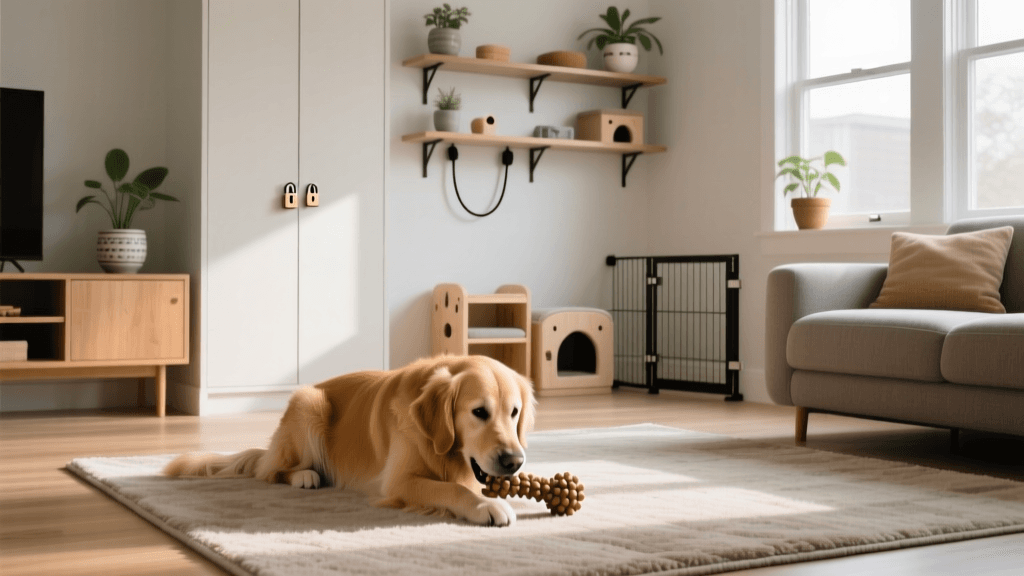
Even the quietest breeds can develop nuisance barking if they become bored or develop separation anxiety. In 2026, managing a dog's environment has become easier than ever thanks to advancements in pet-specific smart home technology and behavioral enrichment tools.
- Automated Puzzle Feeders: Instead of feeding your dog from a bowl, use automated puzzle feeders that dispense kibble only when the dog interacts with them quietly. This engages their foraging instincts and tires them out mentally, drastically reducing boredom-induced barking.
- Snuffle Mats and Lick Mats: For breeds like the Basset Hound, spreading their morning meal across a snuffle mat taps into their scent-tracking instincts without requiring them to leave the apartment. Lick mats frozen with dog-safe bone broth provide a soothing, endorphin-releasing activity that combats anxiety when you leave for work.
- Smart Pet Cameras with Treat Tossers: Modern 2026 pet cameras utilize AI to detect the specific acoustic signature of a dog's distress bark versus a playful woof. If your dog begins to vocalize out of anxiety, the camera can automatically dispense a calming treat or play a pre-recorded soothing message from your voice, interrupting the behavioral loop before it escalates.
Behavioral Training: Teaching the "Quiet" Cue
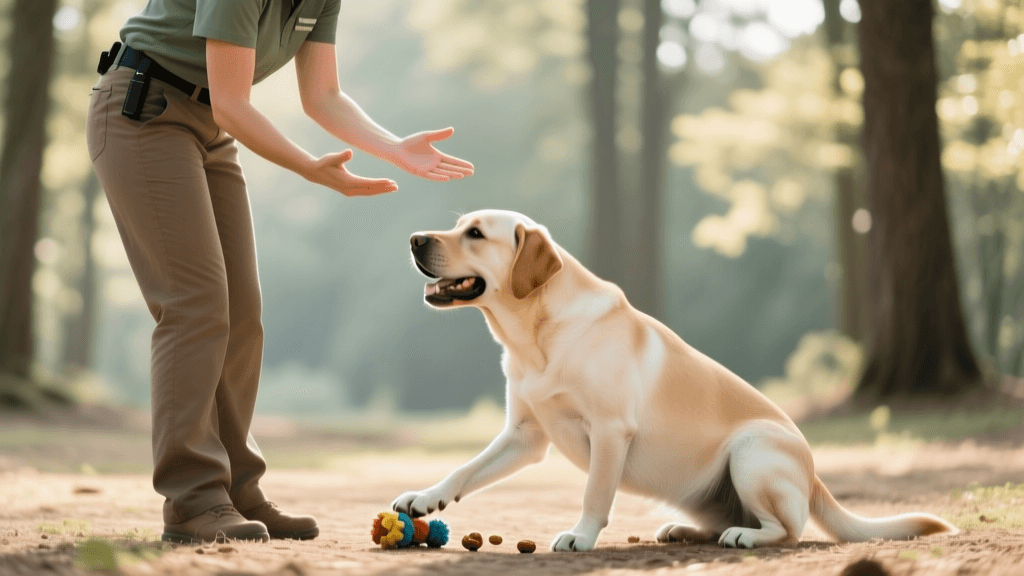
Regardless of breed, teaching a reliable "quiet" cue is essential for apartment living. The most effective method, endorsed by modern veterinary behaviorists, relies on positive reinforcement rather than punishment. When your dog barks at a hallway noise, acknowledge the trigger by saying "Thank you" to validate their alert. Then, use a high-value treat to lure them away from the door and onto their designated mat. Once they are on the mat and silent, reward them heavily. Over time, the dog learns that the sound of the hallway door triggers a reward for going to their mat and remaining silent, effectively rewiring their instinctual response to the environmental trigger.
Conclusion
Living in an apartment in 2026 does not mean you must sacrifice the joy of dog ownership. By selecting a breed whose historical instincts align with a low-vocalization, low-indoor-energy lifestyle, and by utilizing modern enrichment strategies, you can cultivate a peaceful, harmonious home. Understanding your dog's psychological needs and breed background is the ultimate key to a successful, quiet urban life together.
aaron-whyte
All our authors care for dogs every day — read more of their work on the authors page.