Top Quiet Apartment Dogs: 2026 Health & Care Guide
Discover the 2026 health, nutrition, and enrichment guide for quiet apartment dog breeds like Cavaliers and Greyhounds. Prevent obesity and joint stress.
The Rise of Quiet Apartment Dogs in 2026
As urban density continues to reshape our living environments in 2026, the demand for quiet, low-vocalization dog breeds has never been higher. High-rise apartments and strict homeowner association (HOA) noise ordinances have made breeds like the Cavalier King Charles Spaniel, Greyhound, Shih Tzu, and Basset Hound incredibly popular. While these breeds are fantastic neighbors who rarely bark at passing sirens or hallway footsteps, their quiet nature often masks specific, hidden health and wellbeing challenges that apartment dwellers must proactively manage.
Many owners mistakenly equate a 'quiet' dog with a 'low-maintenance' dog. In reality, the physical confinement of an apartment, combined with the genetic predispositions of these specific breeds, requires a highly targeted approach to nutrition, joint care, and mental enrichment. This comprehensive 2026 guide will walk you through the exact health protocols, environmental modifications, and wellness routines needed to keep your quiet apartment dog thriving in a confined space.
Hidden Health Risks for Low-Vocalization Breeds
The primary health risk for quiet apartment dogs in 2026 is obesity, which is inextricably linked to joint degradation and cardiovascular strain. Because these breeds do not typically bark or pace frantically when under-stimulated, they often default to sleeping. While resting is normal, excessive sedentary behavior in a 600-square-foot apartment leads to rapid caloric surplus.
According to the Association for Pet Obesity Prevention, over 50% of dogs in urban environments are now classified as overweight or obese, with apartment-dwelling, low-energy breeds making up a disproportionate percentage of this statistic. Furthermore, navigating high-rise living introduces repetitive joint stress. Waiting for elevators, slipping on hardwood floors, and climbing short but steep stairwells can wreak havoc on the spines of long-backed breeds and the fragile joints of toy breeds.
2026 Breed Health Comparison Chart
| Breed | Avg Weight | Primary Health Risk | Apartment Noise Level | Key Wellness Focus |
|---|---|---|---|---|
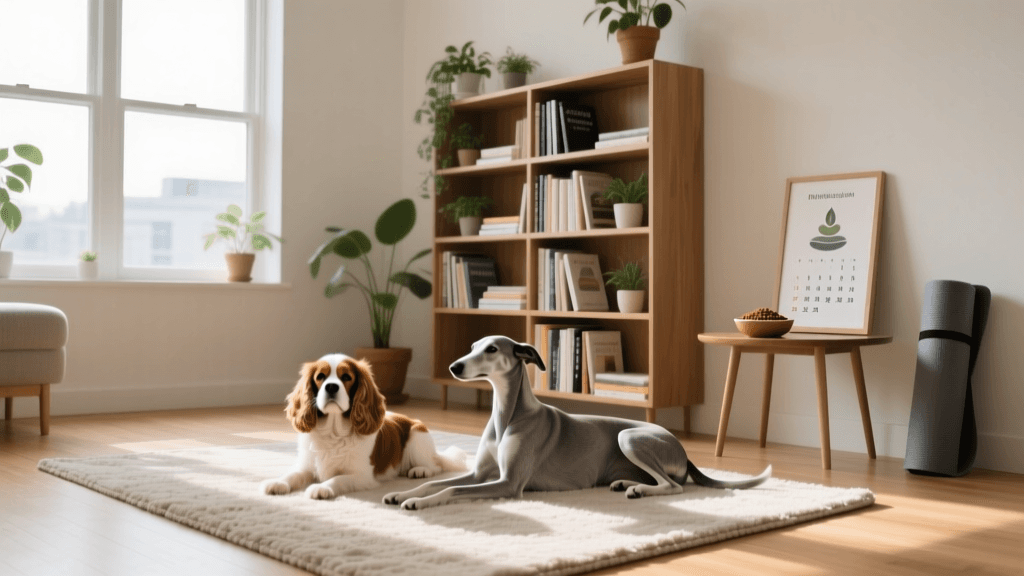
| Cavalier King Charles Spaniel | 13-18 lbs | Mitral Valve Disease & Syringomyelia | Very Low | Cardiovascular monitoring & scent enrichment |
| Greyhound | 60-70 lbs | Bloat & Pressure Sores | Low | Orthopedic bedding & short sprint exercises |
| Shih Tzu | 9-16 lbs | Brachycephalic Airway Syndrome | Low | HVAC climate control & gentle indoor play |
| Basset Hound | 40-65 lbs | IVDD (Spinal Issues) & Obesity | Low (occasional howling) | Weight management & ramp accessibility |
Breed-Specific Wellness Profiles
Cavalier King Charles Spaniel
Cavaliers are the ultimate lap dogs, but their predisposition to early-onset Mitral Valve Disease (MVD) means their quiet apartment lifestyle must be carefully managed. In 2026, veterinary cardiologists recommend bi-annual echocardiograms for Cavaliers over the age of four. Because they are quiet, they will not vocalize when they are fatigued during a walk; it is up to the owner to monitor their respiratory rate while sleeping. A normal sleeping respiratory rate should be under 30 breaths per minute.
Greyhound
Often called '45-mph couch potatoes,' retired racing Greyhounds are exceptionally quiet and well-suited for apartments. However, their lack of body fat and thin coats make them highly susceptible to pressure sores from lying on hard apartment floors. Investing in a high-density orthopedic bed, such as the Big Barker Orthopedic Dog Bed, is not a luxury—it is a medical necessity to prevent necrosis on their hocks and elbows.
Shih Tzu
As a brachycephalic (flat-faced) breed, Shih Tzus struggle with temperature regulation. The American Kennel Club (AKC) emphasizes that these dogs are at high risk for heatstroke, even indoors. In modern smart apartments, ensure your HVAC system maintains a steady ambient temperature of 68-72°F (20-22°C). Never leave a Shih Tzu on an unshaded balcony during the summer months, as the concrete can rapidly elevate their core body temperature.
Basset Hound
Bassets are generally silent, though they possess a deep, resonant howl if left isolated for too long. Their massive bone structure and long spines make them prone to Intervertebral Disc Disease (IVDD). Apartment owners must strictly forbid Basset Hounds from jumping on and off standard-height sofas or beds. The micro-impacts of daily jumping can lead to catastrophic disc herniations over time.
Precision Nutrition for Low-Energy Dogs
Free-feeding is the enemy of the quiet apartment dog. In 2026, precision nutrition has moved beyond simple measuring cups. Veterinary nutritionists now strongly recommend using digital gram scales to portion out meals, as even a 10% overestimation in kibble volume can lead to a 5-pound weight gain over a year in a small breed like a Shih Tzu.
- Digital Portion Control: Use a smart pet food scale that syncs with your phone to track exact caloric intake based on your dog's daily activity level.
- Fresh Food Subscriptions: Services like The Farmer's Dog and Nom Nom now offer hyper-calibrated apartment-dog meal plans, adjusting caloric density specifically for low-step-count urban environments.
- Joint Supplements: For Basset Hounds and Greyhounds, incorporating a high-quality Omega-3 and glucosamine supplement (such as Dasuquin Advanced) into their morning meal can proactively lubricate joints stressed by hardwood floors.
Mental Enrichment Without the Bark
According to veterinary behaviorists, a quiet dog is not necessarily a content dog; silent anxiety and under-stimulation are leading causes of depressive behaviors and compulsive licking in apartment dogs.
Because quiet breeds do not expend energy by barking at the window or patrolling the hallway, they require structured mental enrichment to prevent cognitive decline and depression. Scent work is the ultimate indoor exercise for breeds like the Basset Hound and Cavalier.
Invest in a high-quality snuffle mat or a puzzle toy like the Nina Ottosson Dog Brick. Hide low-calorie treats or their daily kibble ration within the puzzle. Forcing your dog to use their olfactory senses for 20 minutes burns the same amount of mental energy as a one-hour physical walk. Lick mats (such as the KONG Floppy Knot or generic silicone lick mats) smeared with plain, unsweetened pumpkin puree and frozen overnight provide excellent anxiety relief and promote saliva production, which aids in digestion.
Environmental Modifications for High-Rises
Your apartment's physical layout plays a massive role in your dog's long-term orthopedic health. Slippery laminate or hardwood floors are a primary cause of cruciate ligament tears in indoor dogs. In 2026, interior design for pet owners heavily features interlocking, washable foam rugs (like those from Ruggable or specialized pet-turf mats) placed in high-traffic corners where dogs typically turn or stand up.
Additionally, invest in a pet ramp with a high-traction surface. Training your Basset Hound or Cavalier to use a ramp to access the couch or your bed will add years to their spinal health. Ensure the ramp has an incline of no more than 18 degrees to prevent hesitation and joint strain.
Monitoring Health with 2026 Wearable Tech
Quiet dogs are notorious for hiding pain and illness. The latest generation of smart collars, such as the Fi Series 4 and the Whistle GO Smart 2026 Edition, are invaluable for apartment dwellers. These devices do more than just track GPS; they monitor resting heart rate, sleep quality, and scratching frequency.
A sudden increase in nighttime restlessness or a spike in scratching can be the first indicator of environmental allergies or early-onset arthritis, long before your dog will vocalize any discomfort. By reviewing the weekly health dashboards provided by these wearables, you can present your veterinarian with hard data, allowing for early intervention and a significantly higher quality of life for your quiet companion.
Conclusion
Choosing a quiet dog breed for your apartment is a wonderful way to maintain a peaceful living environment while enjoying the profound companionship of a canine friend. However, their silence requires you to be a more observant, proactive advocate for their health. By implementing precision nutrition, safeguarding their joints against apartment hazards, and providing deep mental enrichment, you ensure that your dog's quiet nature is a sign of true contentment, not hidden discomfort. Embrace the 2026 wellness technologies and veterinary insights available to you, and your apartment-dwelling dog will thrive for years to come.
marcus-aldridge
All our authors care for dogs every day — read more of their work on the authors page.