Puppy vs. Senior Dog: Which Life Stage Is Right for You?
Discover whether a playful puppy or a calm senior dog fits your lifestyle. Compare costs, care needs, and life stage traits before adopting.

The Life Stage Dilemma: Puppies vs. Senior Dogs
Bringing a new dog into your home is one of life's most rewarding experiences, but it also requires careful consideration of your lifestyle, budget, and time availability. When prospective owners visit animal shelters or browse breeder waitlists, they are often immediately drawn to the undeniable charm of puppies. However, the decision to adopt should go beyond puppy fever. Understanding the distinct care requirements, financial implications, and emotional rewards of different canine life stages is crucial for a successful, lifelong match.
Whether you are debating between the high-energy demands of an eight-week-old puppy or the mellow companionship of a ten-year-old senior, this comprehensive life stage guide will help you make an informed, confident decision.
The Puppy Stage: High Energy, High Reward
Puppies, generally defined as dogs under one year of age, are blank slates. They offer the unique opportunity to shape their behaviors, socialization, and routines from the very beginning. However, this developmental stage demands an extraordinary investment of time and patience.
Time and Training Commitments
The critical socialization window for puppies occurs between 3 and 14 weeks of age. During this brief period, puppies must be safely exposed to various environments, sounds, surfaces, and people to prevent future fear-based behaviors. This means multiple short training sessions daily, frequent potty breaks (often every 1 to 2 hours), and supervised play to prevent destructive chewing.
According to the American Society for the Prevention of Cruelty to Animals (ASPCA), early positive reinforcement training is non-negotiable for puppies. Owners should budget for professional puppy kindergarten classes, which typically cost between $150 and $300 for a six-week course.
Financial Realities of Puppyhood
The first year of a dog's life is notoriously the most expensive. Beyond the initial adoption or purchase fee, new puppy owners must account for:
- Veterinary Care: A series of DHPP and Rabies vaccinations, deworming, and microchipping can cost $200 to $400.
- Spay/Neuter Surgery: Depending on the clinic and the dog's projected size, expect to pay $300 to $800.
- Essential Gear: Chew-proof crates (e.g., the MidWest Ultima Pro Double Door Dog Crate), teething toys like the KONG Puppy Teething Stick, and enzymatic cleaners like Nature's Miracle for inevitable house-training accidents.
- Diet: High-quality puppy food, such as Purina Pro Plan Puppy, is formulated with higher caloric density and DHA for brain development.
The Senior Dog Stage: Calm Companionship
Dogs are generally considered seniors around the age of seven, though giant breeds may enter their golden years as early as five or six, while small breeds might not show signs of aging until they are ten or older. Adopting a senior dog is a profoundly compassionate choice that offers immediate, low-stress companionship.
Health and Mobility Needs
While senior dogs bypass the destructive chewing and potty-training phases, they often come with age-related health considerations. Arthritis, dental disease, and vision or hearing loss are common. The American Kennel Club (AKC) recommends bi-annual veterinary check-ups for senior dogs, including comprehensive blood panels to monitor kidney and liver function, which can add $150 to $300 to your annual vet budget.
To keep a senior dog comfortable, specific home modifications and products are highly recommended:
- Orthopedic Support: Beds with memory foam, such as the Big Barker 7-inch Pillow Top Orthopedic Dog Bed, are essential for joint relief.
- Mobility Aids: Pet ramps (like the PetSafe CozyUp Folding Pet Ramp) help dogs access couches or vehicles without straining their spines.
- Joint Supplements: Glucosamine and chondroitin supplements, such as Nutramax Dasuquin, can significantly improve mobility and quality of life.
The Emotional Reward of Senior Adoption
Adopting a senior dog means you are giving a vulnerable animal a safe, loving place to spend their twilight years. The bond formed with a rescued senior is often incredibly deep, as they seem to understand they have been given a second chance.
Senior dogs are typically already house-trained, know basic commands, and have passed the hyperactive chewing phase. They are ideal for apartment dwellers, older adults, or busy professionals who want a walking companion rather than a marathon-running partner.
The Adult Dog: The Middle Ground (1 to 6 Years)
If the chaotic energy of a puppy feels overwhelming, but the potential medical expenses of a senior dog are a concern, the adult dog represents the perfect middle ground. Dogs between the ages of one and six have typically outgrown the destructive teething phase and have established bladder control, yet they still possess the vitality for active weekends, hiking, and agility sports.
Adopting an adult dog from a rescue or foster home provides a massive advantage: personality transparency. Foster parents can tell you if the dog is cat-friendly, how they react to thunderstorms, and whether they know commands like 'leave it' or 'place'. This eliminates the guesswork inherent in puppy adoption. Financially, adult dogs usually require only standard annual veterinary care (core vaccines, heartworm testing, and dental cleanings), keeping annual costs predictable, generally ranging from $500 to $800 depending on your region.
Life Stage Comparison Chart
Use the table below to compare the practical realities of bringing home a puppy versus a senior dog.
| Feature | Puppy (8 Weeks - 1 Year) | Senior Dog (7+ Years) |
|---|---|---|
| Daily Exercise Needs | High (Multiple short play/training sessions) | Low to Moderate (Leisurely walks, sniffaris) |
| Training Requirement | Intensive (Housebreaking, crate training, bite inhibition) | Minimal (Refresher courses, gentle mental stimulation) |
| First-Year Vet Costs | $800 - $1,500+ (Vaccines, spay/neuter, preventatives) | $400 - $900 (Senior bloodwork, dental cleaning, meds) |
| Time Alone Tolerance | Very Low (Max 1-2 hours in a crate) | High (Can comfortably rest alone for 6-8 hours) |
| Destructive Tendencies | High (Teething requires constant redirection) | Very Low (Past the chewing phase) |
| Remaining Lifespan | 10 - 15+ years | 2 - 7 years (Highly breed-dependent) |
Preparing Your Home for Different Life Stages
Your home environment must be tailored to the physical capabilities and behavioral tendencies of the life stage you choose.
Puppy-Proofing Your Space
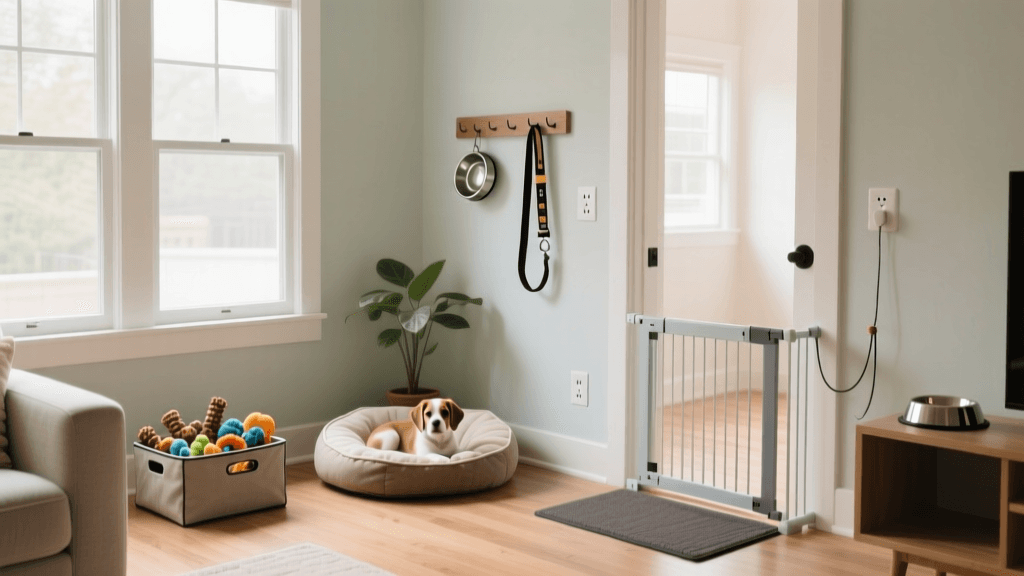
Puppies explore the world with their mouths. Before bringing a puppy home, get down on your hands and knees to identify hazards. Secure electrical cords with split-loom tubing, install baby gates to block off stairs or carpeted rooms, and remove toxic houseplants (like lilies or sago palms). Invest in a 36-inch wire crate to create a safe den, and stock up on bitter sprays like Grannick's Bitter Apple to deter baseboard chewing.
Senior-Proofing Your Space
Senior dogs face environmental challenges related to mobility and sensory decline. Hardwood and tile floors can be treacherous for dogs with arthritis or neurological weakness. Lay down non-slip area rugs or interlocking foam mats to provide traction. If your home has stairs, consider installing a pet gate to prevent falls, or use a supportive harness like the Help 'Em Up Harness to assist your dog with climbing. Ensure their food and water bowls are elevated to reduce neck strain, using a sturdy ceramic or stainless-steel stand.
Making the Final Decision
Choosing between a puppy and a senior dog ultimately comes down to an honest assessment of your current life stage. If you have a flexible schedule, a fenced yard, and the patience to navigate sleepless nights and potty training, a puppy will reward you with a lifetime of molded companionship. Conversely, if you work long hours, live in a smaller space, or simply prefer quiet evenings on the couch, a senior dog will seamlessly integrate into your life, offering immediate gratitude and profound affection.
For more insights on matching your lifestyle to a dog's needs, consult resources from the Humane Society of the United States, which offers extensive guides on the hidden joys and practicalities of senior pet adoption. No matter which life stage you choose, adopting a dog is a commitment to provide love, veterinary care, and a safe haven for the entirety of their journey.
anouk-beaumont
All our authors care for dogs every day — read more of their work on the authors page.