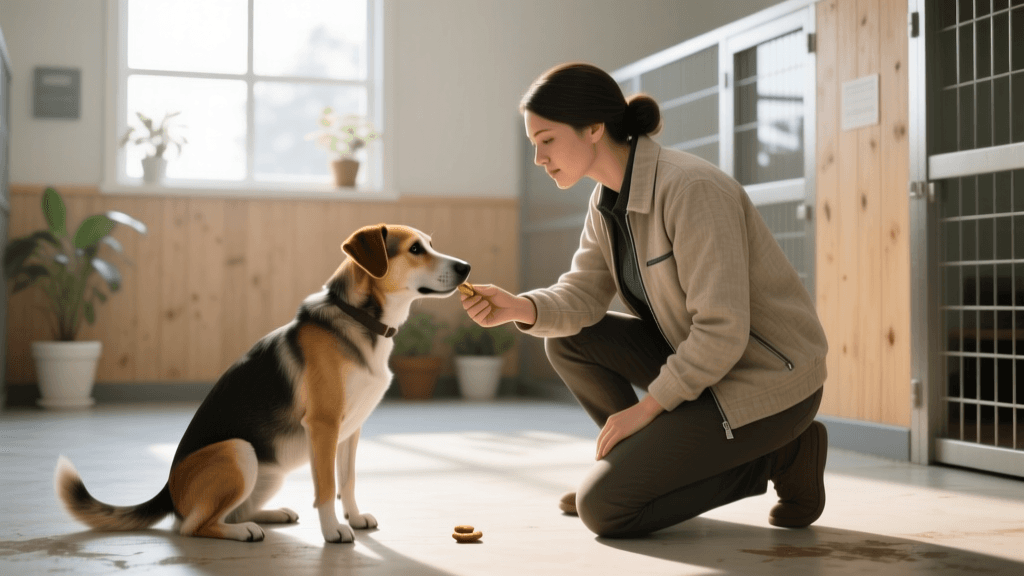
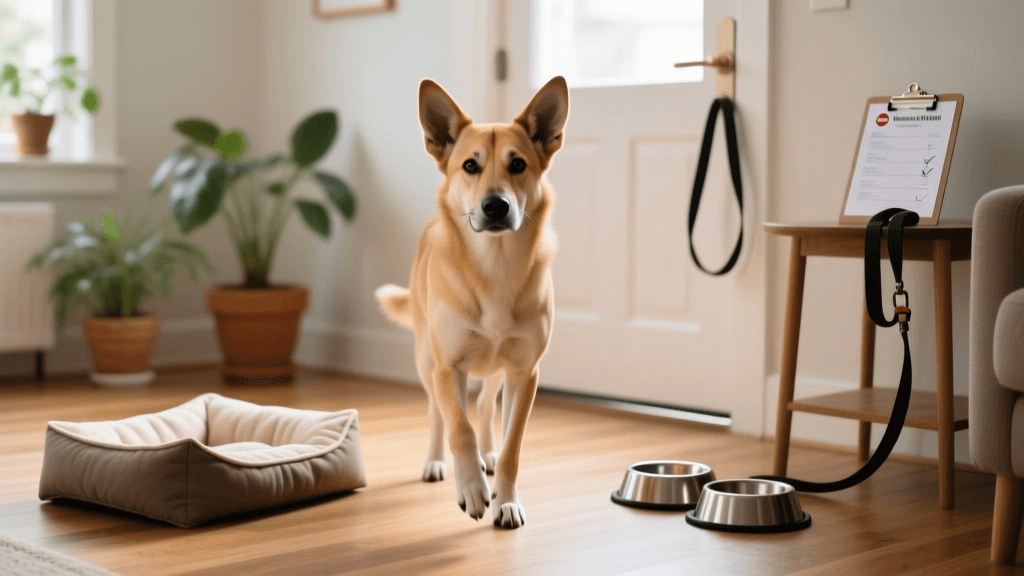
Puppy vs Senior Dog Adoption: A Complete Life Stage Guide
Discover the pros, cons, and costs of adopting a puppy versus a senior dog. Our life stage guide helps you choose the perfect canine companion.

The Crossroads of Canine Companionship
Bringing a new dog into your home is one of the most rewarding decisions you can make, but it is also a commitment that spans years, if not decades. When prospective owners begin their journey in the "Getting a Dog" phase, they are immediately faced with a pivotal choice: should they adopt a bouncy, energetic puppy, or open their hearts to a mellow, gray-muzzled senior dog? This decision goes far beyond mere aesthetics or energy levels; it fundamentally dictates your daily routine, financial planning, and emotional landscape for the foreseeable future.
Understanding the distinct needs of different canine life stages is crucial for setting both you and your new pet up for success. In this comprehensive life stage care guide, we will break down the practical realities, financial costs, and home preparation requirements for adopting a puppy versus a senior dog, ensuring you make an informed, confident choice.
Defining Canine Life Stages
Before diving into the specifics of care, it is important to understand how the veterinary community categorizes canine life stages. According to the American Veterinary Medical Association (AVMA), dogs generally progress through three main phases: puppyhood (birth to 6-12 months), adulthood (1 to 7 years), and the senior years (7+ years). However, these timelines are heavily influenced by breed size. Giant breeds like Great Danes may enter their senior years by age five, while small breeds like Chihuahuas might not show signs of aging until they are eight or nine.
For the purpose of this guide, we will compare the two most extreme ends of the adoption spectrum: the young puppy (typically 8 weeks to 6 months old) and the senior dog (generally 7 years and older).
The Puppy Stage: Building a Foundation
Adopting a puppy is akin to welcoming a human toddler into your home. It is a time of rapid growth, boundless curiosity, and foundational learning. While puppies offer the unique opportunity to shape their behaviors and socialization from the ground up, they demand an immense investment of time, patience, and consistency.
Time, Training, and Socialization
The most critical developmental period for a puppy is the socialization window, which peaks between 3 and 14 weeks of age. The American Kennel Club (AKC) emphasizes that during this brief window, puppies must be safely exposed to a wide variety of people, environments, sounds, and other animals to prevent future fear and anxiety. This requires multiple short outings and positive reinforcement training sessions daily.
Potty training is another significant time commitment. A standard rule of thumb is that a puppy can hold their bladder for one hour per month of age (e.g., a 2-month-old puppy needs a bathroom break every two hours, including overnight). Crate training is highly recommended to aid in housebreaking and provide a safe den. When selecting a crate, such as the MidWest Homes for Pets iCrate, ensure it is large enough for the puppy to stand, turn around, and lie down, but use a divider to prevent them from soiling one end and sleeping in the other.
Essential Puppy Gear and Financial Costs
The first year of a puppy's life is typically the most expensive due to initial veterinary care and gear. Expect the following costs and essentials:
- Veterinary Care: Puppies require a series of core vaccines (DHPP and Rabies) administered every 3-4 weeks until they are 16 weeks old. Spaying or neutering typically occurs between 6 and 9 months. Budget between $400 and $800 for first-year vet visits, excluding emergencies.
- Nutrition: Puppies require calorie-dense, growth-formulated food to support bone and muscle development. Premium options like Purina Pro Plan Puppy or Royal Canin Puppy will cost roughly $50 to $80 per month.
- Chewing and Teething: Between 3 and 6 months, puppies will chew relentlessly to soothe teething pain. Invest in durable toys like the KONG Classic Puppy and puppy-safe teething rings. You will also need to puppy-proof your home by hiding electrical cords and using bitter apple spray on furniture legs.
- Training Classes: Group puppy kindergarten classes are essential for bite inhibition and basic obedience, usually costing $150 to $250 for a six-week course.
Total Estimated First-Year Cost: $1,500 to $3,000.
The Senior Stage: Embracing the Golden Years
Adopting a senior dog is a profoundly compassionate choice. These dogs often find themselves in shelters due to the passing of an elderly owner or changes in a family's living situation. Unlike puppies, senior dogs usually come with established temperaments, known health histories, and often, pre-existing house training and basic manners.
Health, Comfort, and Specialized Care
The primary focus of senior dog care shifts from behavioral molding to health management and comfort. The American Society for the Prevention of Cruelty to Animals (ASPCA) notes that senior dogs are highly susceptible to conditions such as osteoarthritis, dental disease, cognitive dysfunction, and kidney issues. Because dogs age faster than humans, subtle changes in behavior or appetite can indicate significant underlying health problems.
Instead of high-impact exercise like jogging or intense games of fetch, senior dogs require low-impact, joint-friendly activities. Short, leisurely walks and mental stimulation exercises, such as snuffle mats or gentle puzzle toys, are ideal for keeping their minds sharp without stressing aging joints.
Senior Dog Essentials and Financial Costs
While you may save money on puppy training classes and initial vaccine series, senior dogs require specialized gear and more frequent veterinary monitoring.
- Veterinary Care: Senior dogs should see the veterinarian every six months rather than annually. Routine care now includes comprehensive blood panels, thyroid checks, and dental cleanings under anesthesia to prevent systemic infections. Budget $300 to $600 annually for routine senior diagnostics.
- Orthopedic Support: Arthritis is incredibly common in older dogs. Investing in a high-quality orthopedic bed, such as the Big Barker 7-inch Pillow Top Orthopedic Dog Bed, is non-negotiable to prevent pressure sores and support aching hips. Expect to spend $150 to $300 on a proper bed.
- Mobility Aids: If your senior dog struggles to jump into the car or climb stairs, you will need to purchase pet ramps or stairs. Additionally, joint supplements containing glucosamine, chondroitin, and MSM, such as Nutramax Dasuquin, are highly recommended and cost around $40 to $60 per month.
- Specialized Diets: Many senior dogs require prescription or senior-formulated diets that are lower in calories but enriched with joint-supporting omega-3 fatty acids and antioxidants.
Total Estimated Annual Cost: $1,200 to $2,500 (highly dependent on pre-existing conditions).
Side-by-Side Comparison: Puppy vs. Senior Dog
To help visualize the differences in daily life and care requirements, review the comparison chart below:
| Feature | Puppy (8 weeks - 1 year) | Senior Dog (7+ years) |
|---|---|---|
| Energy Level | Extremely high; requires frequent, structured play and naps. | Low to moderate; prefers short walks and extended resting periods. |
| Training Needs | Intensive; requires housebreaking, bite inhibition, and socialization. | Minimal to moderate; may need unlearning bad habits or adapting to physical limits. |
| Veterinary Focus | Preventative; vaccines, spay/neuter, parasite prevention. | Management; bloodwork, dental care, joint health, chronic disease monitoring. |
| Home Modifications | Puppy-proofing; baby gates, cord protectors, crate setup. | Accessibility; non-slip rugs, ramps, orthopedic beds, elevated bowls. |
| Time Commitment | High; frequent potty breaks, training sessions, and supervision. | Moderate; companionship, gentle grooming, and medication administration. |
Preparing Your Home for Your Dog's Life Stage
Your home environment must be tailored to the physical capabilities of the dog you choose to adopt.
Puppy-Proofing Your Space
Puppies explore the world with their mouths. Before bringing a puppy home, get down on your hands and knees to view your home from their perspective. Install baby gates, such as the Regalo Easy Step Walk Thru Gate, to block off hazardous areas like kitchens and staircases. Use cord concealers for all electrical wires, and ensure that toxic household plants, cleaning supplies, and human medications are locked away in high cabinets. Puppies also lack bladder control, so you must remove expensive area rugs and prepare for easy-to-clean flooring.
Senoir-Proofing Your Space
Senior dogs face the opposite challenge: declining mobility and sensory loss. Hardwood and tile floors can be incredibly slippery for a dog with arthritis or weakened hind legs. Lay down interlocking foam mats or non-slip area rugs in high-traffic zones to give them the traction they need. Elevate their food and water bowls to reduce neck strain, and consider installing a ramp for your vehicle or your bed so they can continue to enjoy their favorite spots without the jarring impact of jumping. If your senior dog is experiencing vision or hearing loss, keep your furniture layout consistent so they can navigate by memory and scent.
Making the Final Decision
Choosing between a puppy and a senior dog ultimately comes down to an honest assessment of your current lifestyle, physical capabilities, and emotional bandwidth. If you have the time, energy, and patience to dedicate months to training and socialization, a puppy offers a blank canvas and the joy of watching a dog grow through all its life stages. Conversely, if you prefer a relaxed household, have a busy work schedule, or simply want to provide a soft landing for a dog in their twilight years, a senior dog will reward you with immediate, profound gratitude and a deeply bonded companionship.
Whichever life stage you choose to welcome into your home, remember that the foundation of successful dog ownership is preparation. By understanding the unique medical, financial, and environmental needs of your new companion, you ensure that their transition into your family is as smooth, safe, and joyful as possible.
jonas-cole
All our authors care for dogs every day — read more of their work on the authors page.