Puppy Teething Timeline: A Month-by-Month Survival Guide
Navigate your puppy's teething stages with our month-by-month timeline. Discover soothing toys, bite inhibition tips, and care strategies.
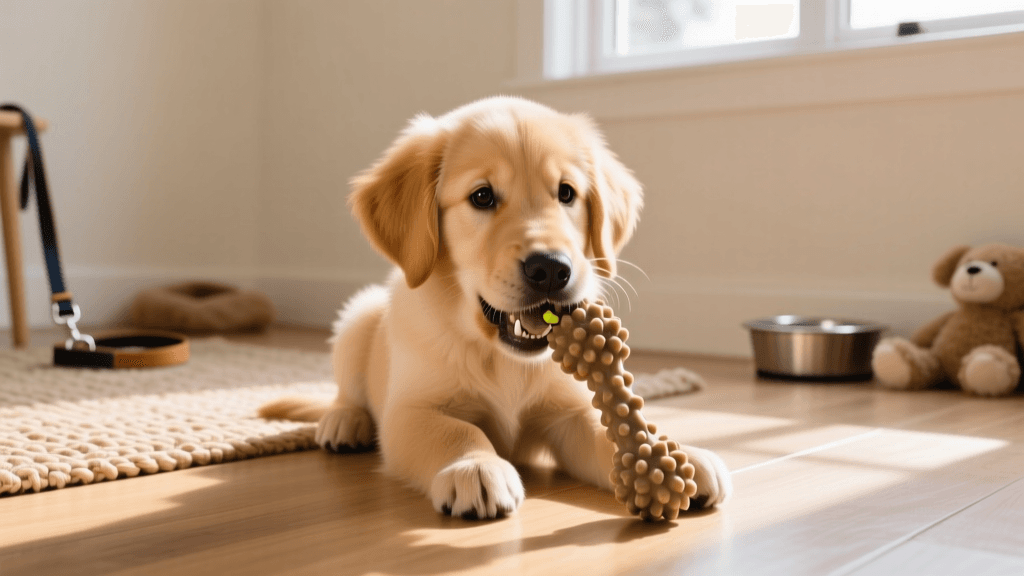
Bringing a new puppy home is an exhilarating experience, but around the three-month mark, that adorable bundle of joy may suddenly transform into a land shark. Puppy teething is a natural, albeit frustrating, life stage that every dog owner must navigate. During this developmental window, your puppy's gums become sore, their urge to chew becomes insatiable, and your favorite shoes become prime targets. Understanding the biological timeline of your puppy's dental development is the first step toward saving your belongings and keeping your furry friend comfortable. In this comprehensive life stage care guide, we will break down the month-by-month teething timeline, provide actionable training advice for bite inhibition, and recommend specific, budget-friendly products to soothe those aching gums.
The Biology of Puppy Teething
Puppies are born entirely toothless. Their first set of teeth, known as deciduous or 'baby' teeth, begin to erupt through the gums at around three to four weeks of age. By the time a puppy is eight weeks old, they typically have a full set of 28 sharp, needle-like baby teeth. These teeth are designed to help them wean off their mother's milk and transition to solid kibble. However, because puppies explore the world with their mouths much like human babies do, these sharp teeth often end up nipping at human hands, ankles, and furniture. According to the American Kennel Club (AKC), this early chewing behavior is a vital part of their sensory development, but it requires careful redirection to prevent bad habits from forming and to ensure the safety of your household.
Month-by-Month Teething Timeline
To effectively manage your puppy's discomfort and behavioral shifts, it is essential to know what to expect at each life stage. The transition from baby teeth to adult teeth is a prolonged process that spans several months. Below is a detailed timeline of your puppy's dental milestones to help you stay one step ahead of the chewing frenzy.
| Age Range | Dental Milestone | Common Symptoms | Recommended Action |
|---|---|---|---|
| 3-4 Weeks | Deciduous incisors and canines erupt. | Nursing discomfort for the mother; increased mouthing of littermates. | Begin introducing soft, watered-down puppy gruel to ease weaning. |
| 6-8 Weeks | Full set of 28 baby teeth present. | Sharp nipping; chewing on human hands and ankles. | Start gentle bite inhibition training; provide soft plush toys. |
| 12-16 Weeks | Baby teeth begin to fall out; adult incisors emerge. | Drooling, mild bleeding, loss of appetite, finding tiny teeth on the floor. | Introduce chilled teething toys and frozen carrot sticks for relief. |
| 4-6 Months | Adult canines and premolars erupt. | Intense chewing urges; swollen, red gums; destructive behavior. | Provide durable rubber chew toys; thoroughly puppy-proof the home. |
| 6-7 Months | Full set of 42 adult teeth fully erupted. | Chewing behavior begins to stabilize; adult bite force increases. | Transition to adult dental chews; schedule a vet dental check. |
Essential Teething Gear and Budgeting
Investing in the right teething gear is non-negotiable during this life stage. Providing appropriate outlets for your puppy's chewing instinct will save your furniture and keep your puppy safe from ingesting harmful objects. Veterinary experts at VCA Animal Hospitals emphasize that chew toys should be sized appropriately to prevent choking hazards and made of materials that will not fracture the developing adult teeth. Here is a curated list of highly effective, budget-friendly teething products:
- KONG Puppy Teething Stick ($8 - $12): Made from a unique, soft rubber formula designed specifically for puppy teeth and gums. The grooves can be stuffed with puppy-safe peanut butter or plain yogurt and frozen for extended, soothing relief.
- Nylabone Puppy Chew Rings ($5 - $7): These feature multiple textures that massage gums and help clean teeth. The flexible material is gentle on developing jaws while satisfying the intense urge to gnaw.
- Petstages Cool Teething Stick ($6 - $9): Designed to be soaked in water and frozen, this fabric toy provides a soothing, cold crunch that reduces gum inflammation without the extreme hardness of ice cubes, which can sometimes crack fragile teeth.
- Whole Carrots or Sweet Potatoes ($2 - $4 per bag): A natural, low-calorie, and highly effective alternative to commercial chews. Freezing a peeled, whole carrot provides a rigid yet yielding surface that massages sore gums safely while providing a healthy dose of beta-carotene.
Mastering Bite Inhibition During the Teething Stage
Teething is not just a physical milestone; it is a critical behavioral window. Puppies must learn 'bite inhibition'—the ability to control the force of their mouthing. When puppies play with their littermates, a bite that is too hard results in a yelp and the cessation of play. You must replicate this feedback loop in your home. When your puppy's teeth touch your skin, immediately let out a high-pitched 'Ouch!' or yelp, and go completely limp. This mimics sibling behavior and signals that the bite was too hard.
If the puppy stops and licks you or backs away, immediately reward them with praise and an appropriate chew toy. If they become more excited and continue to bite, implement a brief, 30-second time-out by calmly stepping over a baby gate or leaving the room. Consistency is paramount. Every family member must enforce the exact same rules to avoid confusing the puppy.
'Puppies that do not learn bite inhibition by the time their adult teeth come in can develop problematic nipping behaviors that are much harder to correct later in life. Early redirection is the key to a gentle adult dog.' — ASPCA Behavioral Guidelines
Soothing Home Remedies for Sore Gums
Beyond commercial toys, your kitchen holds several effective remedies for teething pain. The cold temperature helps constrict blood vessels in the gums, reducing swelling and numbing the discomfort naturally.
- Broth Ice Cubes: Freeze low-sodium, onion-free chicken or beef broth in an ice cube tray. The flavorful ice encourages licking and chewing while keeping your pup hydrated during hot days.
- Frozen Washcloths: Twist a clean, damp washcloth into a rope shape and freeze it. The textured fabric gently massages the gums as the puppy chews. Always supervise to ensure they do not swallow pieces of the cloth.
- Chilled Aloe Vera Gel: For severely inflamed gums, consult your vet about applying a tiny amount of pet-safe, pure aloe vera gel to the gums using a cotton swab. Never use human oral gels containing benzocaine, as they are highly toxic to dogs and can cause severe medical emergencies.
When to Consult Your Veterinarian
While teething is a normal life stage, complications can occasionally arise. Retained deciduous teeth—where the baby tooth fails to fall out as the adult tooth erupts—is a common issue, particularly in small and toy breeds like Chihuahuas and Yorkshire Terriers. This can cause the adult tooth to grow in at an abnormal angle, leading to misalignment, pain, and an increased risk of periodontal disease. The American Veterinary Medical Association (AVMA) recommends scheduling a comprehensive oral exam during your puppy's spay or neuter procedure, typically around six months of age, so the veterinarian can extract any stubborn baby teeth while the puppy is safely under anesthesia.
Additionally, contact your vet immediately if your puppy exhibits signs of severe distress, refuses to eat for more than 24 hours, has excessive bleeding from the mouth, or develops a foul odor that could indicate an oral infection or a piece of toy lodged in the gum line.
Conclusion: Patience and Proactive Care
Surviving the puppy teething stage requires a blend of empathy, environmental management, and consistent training. By understanding the month-by-month timeline, providing a variety of textured and chilled chew toys, and actively teaching bite inhibition, you will guide your puppy through this uncomfortable developmental phase. Remember, this stage is temporary. With proactive care and plenty of patience, your puppy will soon emerge with a healthy set of 42 adult teeth and the manners to match, setting the foundation for a lifetime of excellent dental health and gentle play.
jonas-cole
All our authors care for dogs every day — read more of their work on the authors page.