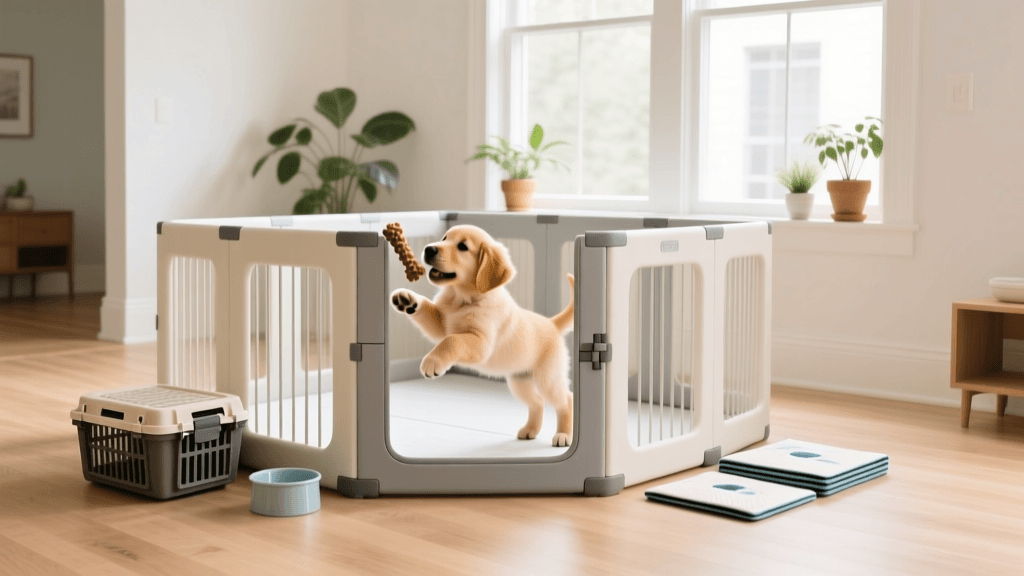
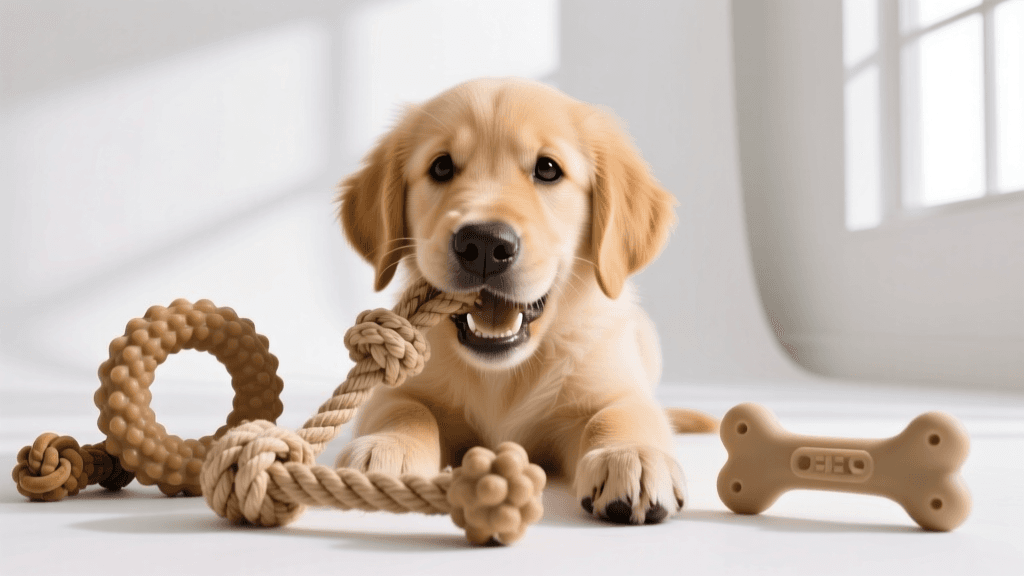
First-Time Owner Guide to Puppy Teething & Chew Toys
Discover a first-time owner's guide to puppy teething. Learn timelines, soothing DIY tricks, safe chew toys, and puppy-proofing tips to save your furniture.
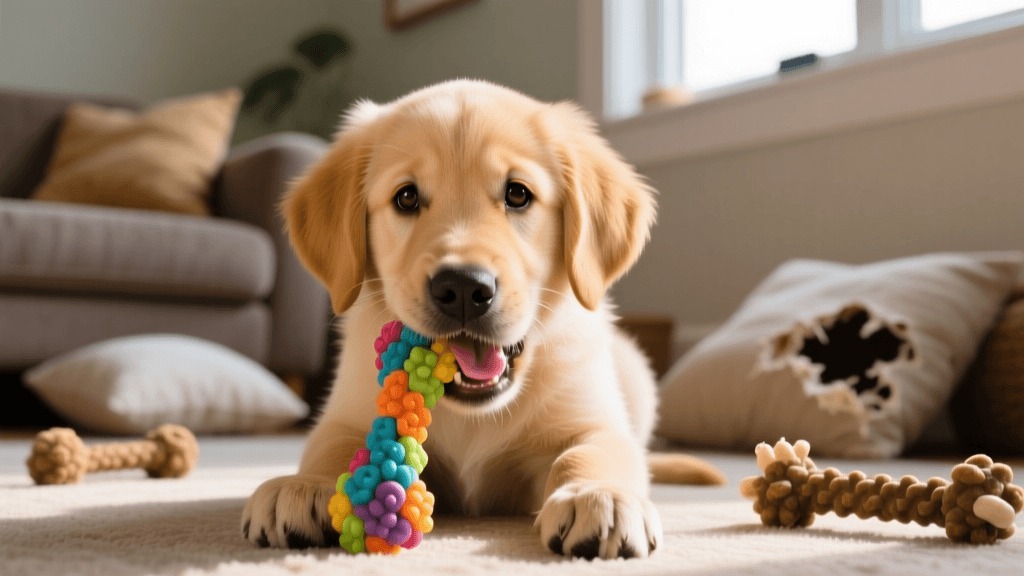
The First-Time Owner's Survival Guide to Puppy Teething
As a first-time puppy parent, waking up to a destroyed favorite shoe, noticing your puppy whining for no apparent reason, or spotting tiny specks of blood on their favorite tug toy can trigger immediate panic. Take a deep breath. Teething is a completely normal, albeit messy and uncomfortable, developmental milestone. Puppies explore the world with their mouths, and when those tiny teeth start shifting, their instinct to chew goes into overdrive.
This comprehensive guide is designed specifically for new dog owners. We will walk you through the exact teething timeline, provide a cost-and-durability comparison of the best chew toys on the market, and share actionable, budget-friendly DIY soothing strategies to save your furniture—and your sanity.
The Puppy Teething Timeline: What to Expect When
Understanding the biological timeline of your puppy's dental development will help you anticipate their needs. Puppies are born without teeth, but things change rapidly in the first few months of life.
Weeks 3 to 6: The Baby Teeth Erupt
Also known as deciduous teeth, these 28 razor-sharp little teeth begin pushing through the gums when your puppy is just three weeks old. By six weeks, most puppies have a full set of baby teeth. This is usually when they are still with their breeder or littermates, learning early bite inhibition.
Months 3 to 4: The Great Tooth Exchange
Around 12 to 16 weeks of age, the adult teeth begin to develop beneath the gumline, pushing the baby teeth out. You might find tiny teeth on the carpet, or your puppy might swallow them while eating (which is completely harmless). According to the American Kennel Club (AKC), this is the peak period for excessive chewing, drooling, and mild whining as the gums become inflamed.
Months 4 to 6: Adult Teeth and Growing Pains
By six months of age, your puppy should have all 42 permanent adult teeth. The VCA Animal Hospitals notes that if any baby teeth remain after six months, veterinary intervention is required to prevent orthodontic issues and overcrowding.
5 Telltale Signs Your Puppy is Teething
How do you know if your puppy's sudden behavioral changes are due to teething or just normal puppy mischief? Look for these five clinical and behavioral signs:
- Excessive Chewing: A sudden, intense fixation on baseboards, furniture legs, and your hands.
- Spots of Blood: Small, dime-sized spots of blood on their chew toys are normal as baby teeth detach.
- Increased Drooling: Inflamed gums produce excess saliva. You may notice damp spots on their bedding or your lap.
- Changes in Eating Habits: Your puppy might approach their food bowl eagerly but eat slowly or drop kibble due to gum tenderness.
- Ear Rubbing and Face Pawing: The nerves in the gums connect to the ears and jaw; puppies will often paw at their face to relieve radiating ache.
Top Chew Toys for Teething Puppies: A Comparison Chart
Not all chew toys are created equal. Hard nylon bones meant for adult dogs can actually fracture a puppy's delicate developing teeth. You need toys that offer resistance but have enough 'give' to massage the gums safely. Below is a comparison chart of the top veterinarian-recommended teething toys for first-time owners.
| Toy Name | Material | Best For | Estimated Cost | Durability |
|---|---|---|---|---|
| KONG Classic Puppy (Pink/Blue) | Softer Rubber Formula | Stuffing with treats, freezing, mild chewers | $12 - $15 | High |
| Nylabone Puppy Teething Rings | Soft Polymer & Rubber | Gentle gnawing, gum massage, carrying around | $6 - $9 | Medium |
| Benebone Puppy Zaggler | Nylon & Soft Rubber | Moderate to aggressive chewers, gripping | $14 - $18 | Very High |
| West Paw Zogoflex Bumi | Zogoflex (Floatable Rubber) | Tug-of-war, freezing, interactive play | $15 - $20 | High |
Pro-Tip for First-Time Owners: Always supervise your puppy with any chew toy. If a toy begins to break apart or chunks are bitten off, discard it immediately to prevent intestinal blockages.
Actionable Soothing Strategies for First-Time Owners
When your puppy is crying and destroying your favorite slippers, you need immediate relief options. Cold therapy is the gold standard for numbing inflamed gums and reducing swelling. Here are three highly effective, low-cost DIY soothing methods.
1. The Frozen Broth Washcloth
Take a clean, 12x12 inch cotton washcloth and soak it in low-sodium, onion-free chicken or beef broth. Wring it out so it is damp but not dripping, twist it into a tight rope, and place it in a ziplock bag in the freezer for 3 hours. The frozen, textured cloth provides incredible relief for aching gums, and the broth flavor keeps them engaged. Cost: Less than $1 per use.
2. The Ultimate KONG Freezer Recipe
To keep a teething puppy occupied for 45 minutes, layer a KONG Puppy toy. First, plug the small hole with a dab of dog-safe peanut butter (ensure it contains NO Xylitol). Fill the center with 1/4 cup of their daily kibble allocation, and top it off with 2 tablespoons of plain, unsweetened Greek yogurt. Freeze it overnight. The cold yogurt soothes the gums, while the kibble provides mental stimulation as they work to extract it.
3. Frozen Carrot Sticks
For a healthy, low-calorie alternative to commercial treats, peel and cut whole carrots into thick 4-inch sticks. Freeze them solid. They act as natural, edible teething rings that are rich in beta-carotene and fiber. Always supervise to ensure they don't choke on the final small piece.
Puppy-Proofing Your Home on a Budget
Because teething puppies will chew on anything to relieve their pain, proactive puppy-proofing is essential. You do not need to spend hundreds of dollars to protect your home.
- Deterrent Sprays: Products like Grannick's Bitter Apple Spray (approx. $8 for an 8oz bottle) utilize a safe, bitter taste to deter chewing. Spray it lightly on baseboards, wooden table legs, and door frames. Reapply every 24 hours for two weeks until the puppy learns to avoid those surfaces.
- Cable Management: Puppies love the rubbery texture of electrical cords, which poses a severe electrocution hazard. Purchase split-loom cable sleeves or cord concealers ($12 to $18 for 10 feet on Amazon) to bundle and hide wires behind your TV and computer desk.
- The 'Trade-Up' Game: If you catch your puppy chewing a forbidden item, do not chase them (they will think it is a game). Instead, grab a high-value teething toy or a frozen treat. Offer it to them, and the moment they drop the shoe to take the toy, praise them heavily and remove the shoe.
Managing Bite Inhibition During the Teething Phase
Teething often leads to increased nipping and biting of human hands. First-time owners must understand that puppies do not bite out of malice; they are seeking counter-pressure on their aching gums. However, you must teach bite inhibition (the ability to control the force of their bite).
When puppy teeth touch your skin, immediately let out a high-pitched 'Ouch!' or 'Yelp!' and go completely still. This mimics the reaction of a littermate and signals to the puppy that they bit too hard. Once they back off, redirect them to an appropriate chew toy, like the Nylabone Teething Ring, and praise them for chewing the correct item. Consistency from every family member is vital for this training to work.
When to Call the Vet: Retained Deciduous Teeth
While most teething issues can be managed at home, there is one common medical complication first-time owners must watch for: retained deciduous teeth. This occurs when the adult tooth erupts, but the baby tooth fails to fall out, resulting in two teeth occupying the same space.
The American Veterinary Dental College (AVDC) warns that retained baby teeth can cause food trapping, early periodontal disease, and misalignment of the adult teeth, which can lead to palate damage or abnormal wear. If your puppy is six months old and you notice double rows of teeth (especially the canine fangs), schedule a veterinary appointment. Extraction is a routine procedure, though first-time owners should budget between $200 and $500 for the anesthesia and dental extraction depending on your geographic location and clinic fees.
Final Thoughts for New Puppy Parents
The teething phase is temporary, usually resolving entirely by the time your puppy celebrates their first birthday. By providing appropriate, cold-soothing chew toys, puppy-proofing your living space, and practicing consistent redirection, you will protect your home and help your puppy transition into adulthood comfortably. Remember, patience and preparation are a first-time dog owner's best tools for navigating this messy but miraculous milestone.
priya-sutaria
All our authors care for dogs every day — read more of their work on the authors page.