Puppy Teething Timeline: When Do Puppies Stop Biting?
Discover the ultimate puppy teething timeline, when puppies lose baby teeth, and expert tips to stop painful nipping and biting fast.
Introduction to the "Land Shark" Phase
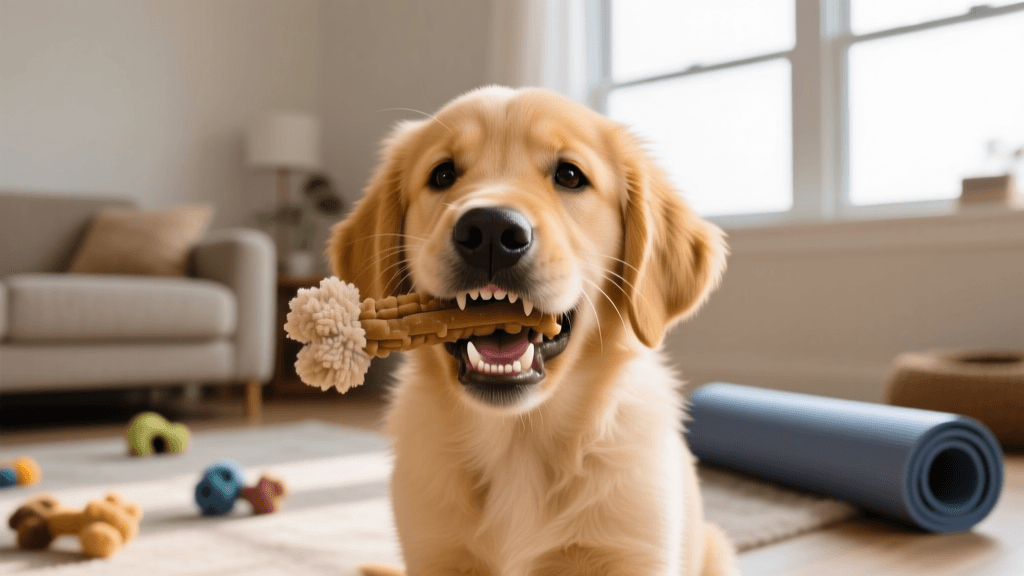
Bringing home a new puppy is a joyous occasion, but it often comes with an unexpected and painful reality: puppy biting. Often referred to as the "land shark" phase, a teething puppy uses their needle-sharp baby teeth to explore the world, relieve gum discomfort, and initiate play. If you are frantically searching Google for answers on how to survive this developmental milestone, you are not alone. At Paws-Tales, we have compiled the ultimate guide based on the most frequently asked questions about puppy teething and nipping.
The Puppy Teething Timeline: Month by Month
Understanding when puppies get their teeth is the first step in managing their behavior. According to VCA Animal Hospitals, puppies go through several distinct dental developmental stages in their first year.
| Age | Dental Stage | Symptoms | Your Action |
|---|---|---|---|
| 2-4 Weeks | Baby teeth emerge | Nursing difficulties, mild fussiness | Monitor mother and litter; no intervention needed. |
| 5-6 Weeks | All 28 baby teeth in | Increased chewing on littermates | Begin introducing soft puppy kibble soaked in water. |
| 12-16 Weeks | Baby teeth fall out, adult teeth emerge | Drooling, bleeding gums, intense chewing | Provide frozen chew toys; puppy-proof the home. |
| 6 Months | All 42 adult teeth in | Baby teeth may be retained; chewing peaks | Inspect mouth daily; consult vet for retained teeth. |
Google's Most-Asked: When Do Puppies Stop Biting?
The most common question new owners ask is, "When will my puppy stop biting?" The short answer is that the intense need to chew and nip usually subsides around 6 to 7 months of age, once all 42 adult teeth have fully erupted. However, behavioral biting can persist if not properly addressed through bite inhibition training. Puppies naturally bite their littermates to learn boundaries. When a puppy bites too hard, the sibling yelps and stops playing. You must replicate this dynamic. The ASPCA emphasizes that teaching bite inhibition before the puppy reaches six months of age is critical, as their jaws become significantly stronger, and ingrained habits are much harder to break.
How to Stop Puppy Biting: 4 Expert-Approved Steps
1. The "Ouch" and Redirect Technique
When your puppy's teeth touch your skin, immediately let out a high-pitched "Ouch!" or yelp. This mimics the sound of a littermate. Immediately withdraw your attention by crossing your arms and looking away for 10 to 15 seconds. If the puppy stops, reward them by offering an appropriate chew toy, such as a rubber Kong or a rope toy. If they continue to bite, calmly stand up and leave the play area for 30 seconds. Consistency is vital; every family member must enforce this rule to avoid confusing the puppy.
2. Implement Enforced Naps
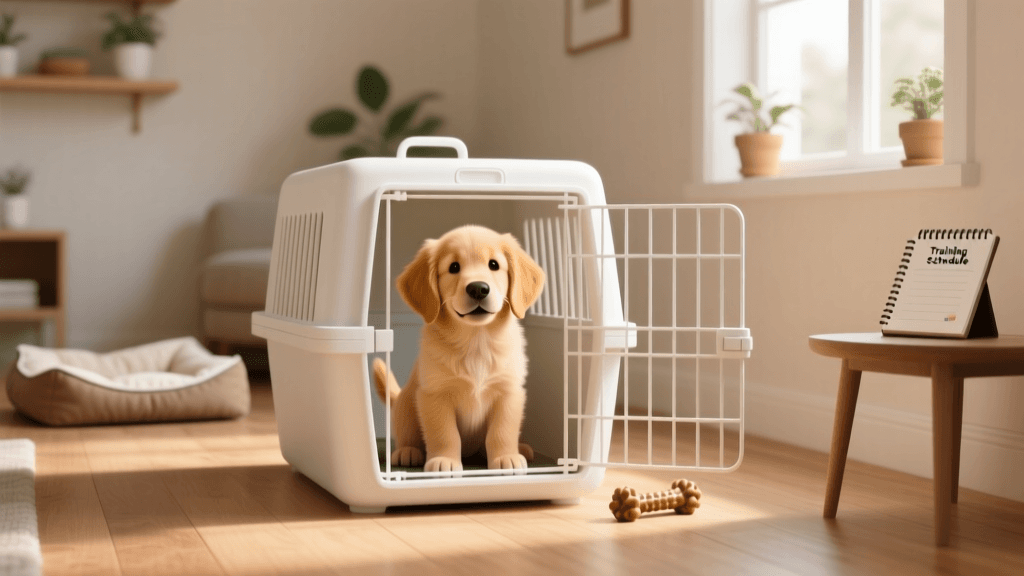
A surprisingly common cause of aggressive puppy biting is overtiredness. Puppies need between 18 to 20 hours of sleep per day. When they miss their naps, they become cranky, overstimulated, and prone to nipping. If your puppy suddenly turns into a biting frenzy, do not assume they need more exercise. Instead, gently place them in their crate or a quiet playpen for an enforced nap. You will often find that after a 90-minute nap, the biting behavior completely vanishes.
3. Provide Soothing Teething Relief
Puppies chew to relieve the pressure of adult teeth pushing through their gums. Providing cold items can numb the pain and reduce inflammation.
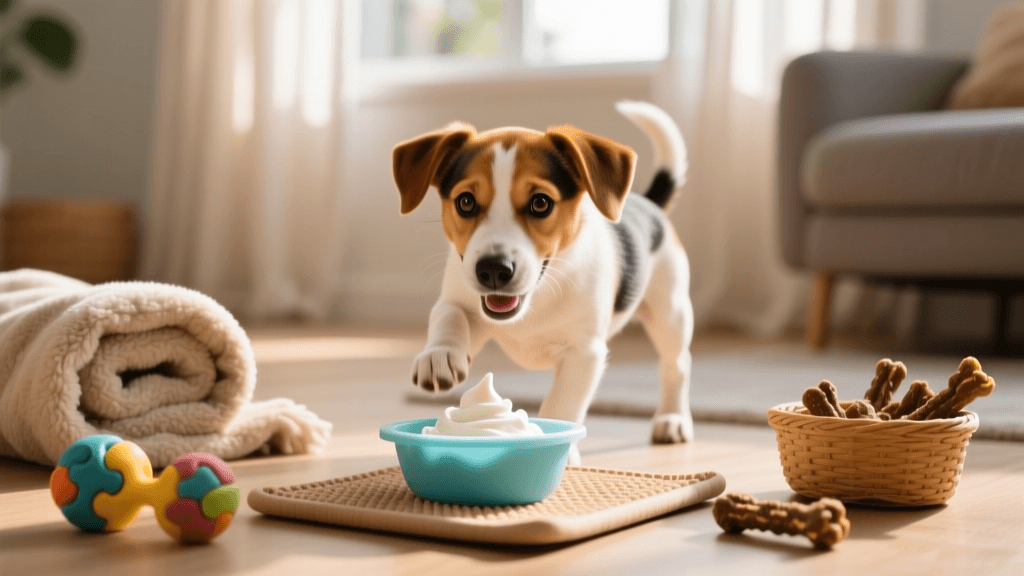
- Frozen Kongs: Stuff a classic Kong toy with plain Greek yogurt, mashed bananas, or puppy-safe peanut butter (ensure it does not contain xylitol). Freeze it overnight. This provides hours of soothing relief and mental stimulation.
- Frozen Carrots: Large, peeled carrots soaked in low-sodium chicken broth and frozen make excellent, low-caliber, natural chew toys.
- Ice Cubes: Many puppies love chasing and crunching on plain ice cubes. You can also freeze low-sodium beef broth in ice cube trays for added flavor.
4. Puppy-Proof and Use Taste Deterrents
To protect your furniture and baseboards, use a bitter-tasting deterrent spray like Grannick's Bitter Apple Spray (typically costing around $10 to $15). Apply it to wooden furniture legs and shoes. However, never spray it directly into the puppy's mouth, as this can cause fear and anxiety. Instead, let them sniff and lick a treated surface so they learn to associate the taste with the object.
Recommended Teething Products and Estimated Costs
Investing in the right tools can save your hands and your belongings. Here is a comparison of top-rated teething solutions.
| Product Name | Type | Best For | Estimated Cost |
|---|---|---|---|
| Kong Classic Puppy | Soft Rubber Chew | Stuffing with frozen treats | $10 - $14 |
| Nylabone Puppy Chew Keys | Textured Nylon | Gum massage and cleaning | $6 - $9 |
| Bully Sticks (6-inch) | Natural Single-Ingredient | Heavy chewers needing long-lasting relief | $4 - $7 per stick |
| Chilly Bone Teething Toy | Freezable Canvas/Rubber | Soothing inflamed gums with cold therapy | $8 - $12 |
When to Call the Vet: Retained Baby Teeth
As your puppy transitions from baby teeth to adult teeth, you may notice some baby teeth do not fall out. According to the American Kennel Club (AKC), retained deciduous (baby) teeth are particularly common in small and toy breeds like Chihuahuas, Yorkshire Terriers, and Pugs. If a baby tooth remains in place while the adult tooth is erupting, it can cause overcrowding, misalignment of the jaw, and an increased risk of periodontal disease. If you notice a "double tooth" (where the baby tooth and adult tooth occupy the same space) after your puppy reaches six months of age, schedule a veterinary dental exam. The vet may need to surgically extract the retained tooth under anesthesia to prevent long-term orthodontic issues.
What Should You Never Do When a Puppy Bites?
In the heat of the moment, it can be tempting to use physical punishment or intimidation to stop a puppy from biting. However, modern veterinary behaviorists strongly advise against the following actions:
- Holding the mouth shut: This can cause fear, defensiveness, and damage the trust between you and your dog.
- Alpha rolls or physical pinning: These outdated dominance theories have been debunked and often lead to fear-based aggression.
- Yelling or hitting: Puppies do not understand physical punishment; they only learn to fear your hands, which makes future handling and grooming much more difficult.
Conclusion
Surviving the puppy teething phase requires patience, consistency, and a well-stocked freezer full of chew toys. By understanding the developmental timeline and utilizing positive redirection, you will guide your land shark into a gentle, well-mannered adult dog. Remember, this phase is temporary, but the trust and bite inhibition you build now will last a lifetime.
aaron-whyte
All our authors care for dogs every day — read more of their work on the authors page.