Puppy Bite Inhibition: Expert Behavior Analysis & Training
Discover expert behavior analysis techniques to stop puppy biting and mouthing. Learn actionable timelines, redirection tools, and bite inhibition stages.
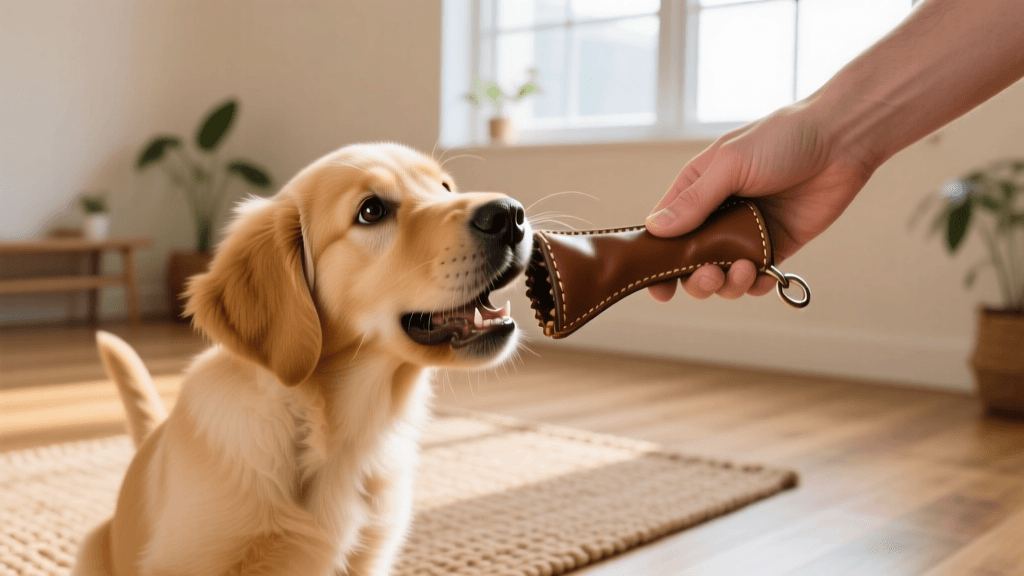
Understanding Puppy Mouthing Through a Behavioral Lens
When a new puppy joins your household, one of the most immediate and frustrating challenges owners face is mouthing and biting. From an expert behavior analysis perspective, it is crucial to understand that puppy biting is not an act of aggression or dominance. Rather, it is a natural, developmentally appropriate exploratory behavior and a vital component of canine social development. According to the American Society for the Prevention of Cruelty to Animals (ASPCA), puppies explore the world with their mouths much like human toddlers use their hands. However, without proper intervention, this natural behavior can escalate into problematic biting habits in adulthood.
The Ethology of Bite Inhibition
Bite inhibition refers to a dog's ability to control the force of its mouthing. In a natural litter environment, puppies learn this skill through operant conditioning with their siblings. When one puppy bites another too hard, the victim yelps and ceases play. This negative punishment (the removal of a desired stimulus—play) teaches the biter that hard bites result in social isolation. The American Kennel Club (AKC) emphasizes that this feedback loop is the foundation of a soft mouth. When puppies are separated from their littermates and enter human homes, often around eight weeks of age, the human family must step in to replicate this vital feedback loop.
Furthermore, canine behaviorists note that the pressure a puppy applies during play is directly correlated to their arousal levels. High-arousal environments, such as a chaotic living room with young children, often trigger harder, more frantic biting. Recognizing these environmental antecedents allows owners to proactively manage the puppy's exposure to overstimulating triggers.
The Critical Window for Behavioral Modification
The primary socialization period for puppies occurs between weeks 3 and 14. The American Veterinary Society of Animal Behavior (AVSAB) highlights this window as the most critical time for a puppy to learn how to interact appropriately with their environment, humans, and other animals. During this time, the puppy's nervous system is highly plastic. Interventions applied consistently during weeks 8 through 16 will yield the most profound and lasting results in bite inhibition training.
Expert Protocol: The 3-Step Redirection Method
To effectively modify mouthing behavior, we must analyze the Antecedent (what triggers the behavior), the Behavior (the bite), and the Consequence (what happens immediately after). Often, owners inadvertently reinforce biting by yelling, pushing the puppy away, or waving their hands, which the puppy interprets as engaging play. Here is a structured, science-based protocol to alter the consequence and extinguish the behavior.
Step 1: The 'Ouch' Marker and Disengagement
When the puppy's teeth make contact with human skin, immediately emit a high-pitched, brief 'Ouch!' or yelp. This mimics the sound of a littermate. The moment the puppy releases or pulls back, mark the release with a calm 'Yes' and offer a treat or appropriate toy. If the puppy becomes more aroused by the yelp, skip the vocal marker and proceed directly to disengagement. Stand up, cross your arms, and look away for exactly 15 to 30 seconds. This implements a time-out from social attention, teaching the puppy that teeth on skin equals the end of fun.
Step 2: Strategic Redirection
Puppies have a biological imperative to chew, especially during the teething phase (weeks 12 to 24). You cannot eliminate the desire to chew; you can only redirect it. Keep a high-value chew toy in your pocket or within arm's reach at all times. When the puppy approaches with a soft, playful body posture but open mouth, preemptively offer the toy before they reach your skin. If they bite you, disengage (Step 1), then present the toy. When they bite the toy, praise calmly and engage in a gentle game of tug, keeping the toy low to the ground to prevent over-arousal.
It is also vital to rotate these toys every few days to maintain novelty. A toy that has been left on the floor for a week loses its reinforcing value. By keeping the high-value redirection tools in a closed bin and only producing them when the puppy is actively engaging with you, you artificially inflate the toy's worth in the puppy's mind, making it a much more compelling alternative to your hands or ankles.
Step 3: Arousal Management and Enforced Naps
From a behavioral standpoint, excessive mouthing is frequently a symptom of overstimulation and fatigue. Puppies require 18 to 20 hours of sleep per day. A puppy that has been awake for more than two hours is likely overtired, leading to a loss of impulse control. Implementing enforced naps in a crate or exercise pen for 90-minute intervals can drastically reduce the frequency and intensity of biting episodes.
Recommended Teething and Redirection Tools
Selecting the right tools is essential for successful redirection. The toy must be more reinforcing than human skin. Below is a comparison chart of expert-recommended redirection tools, including specific use cases and approximate costs.
| Product Name | Material | Best Use Case | Approx. Cost |
|---|---|---|---|
| KONG Classic (Puppy) | Soft Rubber | Stuff with 2 tbsp plain Greek yogurt and 1 tbsp pumpkin puree; freeze for 2 hours to soothe teething gums. | $12 - $15 |
| West Paw Toppl | Durable Rubber | Interlocking treat-dispensing toy for mental enrichment and prolonged chewing sessions. | $20 - $25 |
| Nylabone Puppy Chew | Soft Nylon | Textured surface for massaging erupting adult teeth; supervise to prevent ingestion of large pieces. | $8 - $12 |
| Braided Fleece Tug | Fleece | Interactive redirection; allows owners to keep hands away from the puppy's mouth during play. | $10 - $18 |
Tracking Progress: What to Expect Week by Week
Behavior modification is not linear. Understanding the developmental milestones of your puppy will help you maintain realistic expectations and adjust your training criteria accordingly.
- Weeks 8 to 10 (The Exploration Phase): Expect frequent, hard mouthing. The puppy is still learning the boundaries of their new environment. Focus heavily on the 'Ouch' marker and immediate disengagement. Do not expect perfect inhibition yet.
- Weeks 11 to 14 (The Teething Transition): Baby teeth begin to loosen, and adult teeth start pushing through the gums. Discomfort peaks. Mouthing may temporarily increase in frequency as the puppy seeks relief. Rely heavily on frozen KONGs and chilled chew toys. Increase enforced naps to combat irritability.
- Weeks 15 to 16 (The Inhibition Breakthrough): With consistent redirection and time-outs, you should notice a significant decrease in the pressure of the bites. The puppy may still mouth you, but the bites should feel like gentle gumming or soft nibbles. This indicates successful bite inhibition.
- Weeks 17 to 24 (The Adult Set): All 42 adult teeth are typically in place. The biological drive to chew remains, but the need to mouth human skin should be virtually extinguished if the previous protocols were applied consistently. Shift focus entirely to appropriate chew items and interactive puzzle feeders.
When to Seek Professional Behaviorist Help
While most puppy biting is a normal developmental phase, certain red flags indicate the need for intervention by a certified professional dog trainer or a veterinary behaviorist. If your puppy exhibits stiff body language, hard stares, or growling prior to biting, or if the bites break the skin and draw blood with malicious intent rather than clumsy exploration, consult a professional immediately. Resource guarding (biting when approached while eating or holding a toy) is another serious behavioral issue that requires specialized desensitization and counter-conditioning protocols. Early intervention by a certified behaviorist ensures that fear-based or aggressive behaviors are addressed before they become deeply ingrained neural pathways.
By approaching puppy biting through the lens of behavior analysis—focusing on antecedents, clear communication, and appropriate consequences—you set the foundation for a well-adjusted, polite adult dog. Patience, consistency, and the strategic use of redirection tools are your most valuable assets during this critical developmental window.
Remember that every interaction is a training opportunity. Consistency among all household members is paramount; if one person allows mouthing while another scolds it, the puppy will experience intermittent reinforcement, which makes the behavior much harder to extinguish. Ensure that your family, friends, and any pet sitters are fully educated on your specific redirection protocol.
priya-sutaria
All our authors care for dogs every day — read more of their work on the authors page.