The Science of Puppy Socialization: Critical Brain Windows
Discover the science behind puppy socialization windows. Learn exact timelines, brain development facts, and actionable steps to raise a confident dog.
The Neurological Window of Opportunity
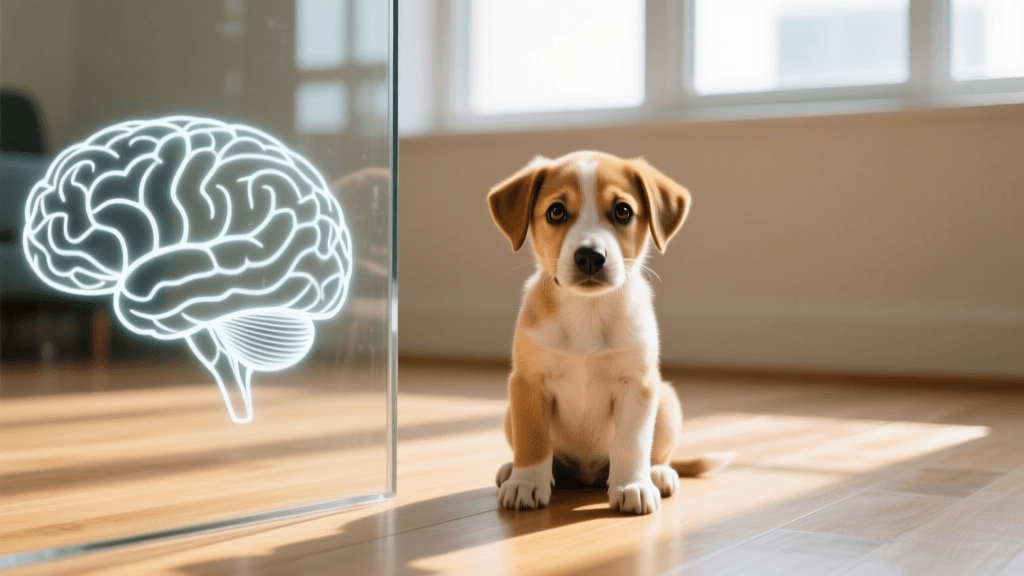
Bringing a new puppy home is an exercise in joy, chaos, and profound responsibility. While most new owners focus on potty training and basic obedience, veterinary neurologists and animal behaviorists emphasize a far more critical, time-sensitive developmental phase: the primary socialization window. This period is not merely about introducing your puppy to other dogs; it is a profound neurological event that permanently wires the canine brain for how it will perceive, process, and react to the world for the rest of its life.
According to the American Veterinary Society of Animal Behavior (AVSAB), the primary window for puppy socialization occurs between 3 and 14 weeks of age. During this brief timeframe, a puppy's brain exhibits extreme neuroplasticity. The amygdala—the brain's fear-processing center—is highly malleable, and the hippocampus is actively mapping environmental stimuli as 'safe' or 'threatening'. If a puppy is not exposed to a wide variety of sights, sounds, surfaces, and beings during this window, the brain defaults to a fear-based response when encountering novel stimuli later in life.
Canine Brain Development and Socialization Timeline
Understanding the exact timeline of your puppy's brain development allows you to target your socialization efforts effectively. Below is a structured breakdown of the neurological stages and the corresponding actionable steps you must take.
| Age (Weeks) | Neurological Stage | Actionable Goal & Protocol |
|---|---|---|
| 3 to 5 Weeks | Sensory Awakening | Introduce varied textures (grass, gravel, tarps) and mild, novel sounds. Primarily the breeder's responsibility. |
| 6 to 8 Weeks | Human Attachment & Play | Focus on gentle handling, eye contact, and positive reinforcement with high-value treats (e.g., boiled chicken). |
| 8 to 10 Weeks | Fear Imprint Period Begins | Avoid traumatic events. Introduce household appliances (vacuums, blenders) from a distance, pairing with treats. |
| 10 to 12 Weeks | Environmental Mapping | Car rides, visiting outdoor cafe patios, and observing traffic. Use an Adaptil Junior collar to reduce stress. |
| 12 to 14 Weeks | Window Closure & Consolidation | Enroll in structured puppy kindergarten. Focus on recall and impulse control around distractions. |
The Parvo Paradox: Balancing Disease and Behavioral Risk
For decades, the standard veterinary advice was to keep puppies isolated indoors until they completed their full vaccination series, typically around 16 weeks of age. However, modern behavioral science has completely overturned this outdated protocol. By keeping a puppy isolated until 16 weeks, owners inadvertently miss the entire primary socialization window, which closes around 14 weeks.
The ASPCA and leading veterinary behaviorists now warn that the risk of behavioral euthanasia due to fear-based aggression and anxiety far outweighs the risk of contracting infectious diseases like Canine Parvovirus, provided the owner practices safe socialization. Behavioral issues are the number one cause of death for dogs under three years of age.
Safe socialization does not mean letting your puppy walk through high-traffic dog parks or sniffing unknown feces. It means carrying your puppy in a sling, using a stroller, or hosting controlled playdates with fully vaccinated, temperament-tested adult dogs in private, sanitized yards.
To mitigate disease risk while maximizing brain development, avoid public dog parks, pet store floors, and rest areas at highway stops. Instead, utilize a Kurgo G-Train Dog Carrier Backpack to take your puppy into hardware stores, coffee shops, and busy urban centers without their paws ever touching contaminated ground.
Habituation vs. Socialization: Understanding the Difference
Many owners confuse socialization with habituation, but the canine brain processes these differently. Socialization involves active, positive engagement with living beings (humans, other dogs, livestock). Habituation is the process of teaching the brain to ignore non-threatening environmental stimuli (traffic noise, umbrellas, machinery).
A science-backed approach requires a deliberate protocol for both. For habituation, utilize desensitization tracks. Play recordings of thunderstorms, fireworks, and city traffic at a low volume (around 50 decibels) while feeding your puppy their daily meals. Gradually increase the volume by 5 decibels each week, ensuring the puppy remains relaxed. If the puppy shows signs of stress (lip licking, yawning, whale eye), lower the volume immediately. Products like the Snuggle Puppy with Heart Beat can also provide tactile comfort during these auditory conditioning sessions.
Furthermore, breeders utilizing Early Neurological Stimulation (ENS) protocols—originally developed by the U.S. military's Bio Sensor program—can give puppies a neurological head start. ENS involves specific tactile and thermal stimuli applied between days 3 and 16 of life, resulting in improved cardiovascular performance, stronger adrenal glands, and greater stress tolerance in adulthood. When adopting or purchasing a puppy, asking the breeder or rescue organization about their ENS and early habituation practices is a hallmark of a science-informed buyer.
Science-Backed Protocols for the Modern Owner
To ensure comprehensive neurological mapping, behaviorists recommend the 'Rule of 7' or aiming for 100 unique positive experiences before the 14-week mark. The American Kennel Club (AKC) suggests tracking these experiences to ensure a diverse portfolio of stimuli.
The 100-Experience Checklist
- Surfaces: Walk on wet grass, metal grates, bubble wrap, wobbly balance discs, and slippery tile.
- Visuals: See people wearing hats, sunglasses, high-visibility vests, and carrying umbrellas or canes.
- Sounds: Hear dropping pots, slamming doors, sirens, and the hum of electric clippers.
- Handling: Tolerate gentle touching of the paws, inside the ears, and the mouth (crucial for future veterinary care).
Crucially, exposure must be paired with positive reinforcement. Merely exposing a puppy to a scary stimulus without providing a positive emotional anchor (like high-value treats or play) can actually sensitize the dog, making them more fearful. Always let the puppy approach novel objects at their own pace; never force a puppy to interact with something that causes them to retreat.
Budgeting for Behavioral Health
Investing in your puppy's early brain development yields massive long-term dividends, preventing costly behavioral rehabilitation later. Here is a realistic breakdown of the costs associated with science-backed early socialization:
- Puppy Kindergarten Classes: $150 to $250 for a 6-week course. Ensure the facility requires proof of at least one DHPP vaccine and sanitizes floors with veterinary-grade cleaners like Rescue™.
- Calming Pheromones: $25 to $40 for an Adaptil Junior collar, which releases synthetic dog-appeasing pheromones to lower cortisol levels during novel experiences.
- High-Value Training Treats: $30 to $50 per month for freeze-dried liver, boiled chicken, or Zesty Paws Calming Bites to use exclusively during high-stress exposure sessions.
- Safe Transport Gear: $60 to $120 for a specialized dog stroller or carrier backpack to navigate public spaces safely before full immunity is achieved.
Skipping these early investments often results in owners spending thousands of dollars on private veterinary behaviorists, anti-anxiety medications like fluoxetine, and intensive board-and-train rehabilitation programs later in the dog's life. Prevention through early neurological investment is undeniably the most cost-effective approach to dog ownership.
Conclusion
The science of canine brain development leaves no room for ambiguity: the first 14 weeks of a puppy's life dictate their behavioral trajectory for the next decade. By prioritizing safe, structured, and positive neurological mapping over outdated isolation protocols, you are not just training a dog; you are architecting a resilient, confident, and emotionally stable companion. Embrace the science, manage the risks, and give your puppy the gift of a fearless future.
aaron-whyte
All our authors care for dogs every day — read more of their work on the authors page.