Puppy-Proofing Your Home: The Ultimate First-Time Guide
Discover how to puppy-proof your home with our room-by-room guide. Learn essential safety tips, product recommendations, and costs for first-time dog owners.
Bringing Home Your New Dog: Why Puppy-Proofing is Non-Negotiable
Bringing home a new puppy or an adult rescue dog is one of life’s most exhilarating milestones. As a first-time dog owner, you have likely spent weeks picking out the perfect collar, researching premium kibble, and watching endless training videos. However, one of the most critical steps in preparing for your new family member is often overlooked until it is too late: puppy-proofing your home. Dogs, especially puppies, explore the world primarily through their mouths and noses. What looks like a harmless living room to you is an obstacle course of electrical hazards, toxic substances, and choking risks to a curious canine.
According to the ASPCA Animal Poison Control Center, they receive hundreds of thousands of emergency calls every single year regarding pets ingesting toxic household items, human medications, and dangerous foods. The financial cost of an emergency veterinary visit for intestinal blockage surgery or toxicity treatment can easily exceed $3,000 to $5,000, not to mention the emotional toll on you and your pet. Puppy-proofing is not just about protecting your favorite pair of shoes; it is a vital, life-saving measure that sets the foundation for a safe, stress-free transition into your home.
Your Puppy-Proofing Shopping List: Gear and Estimated Costs
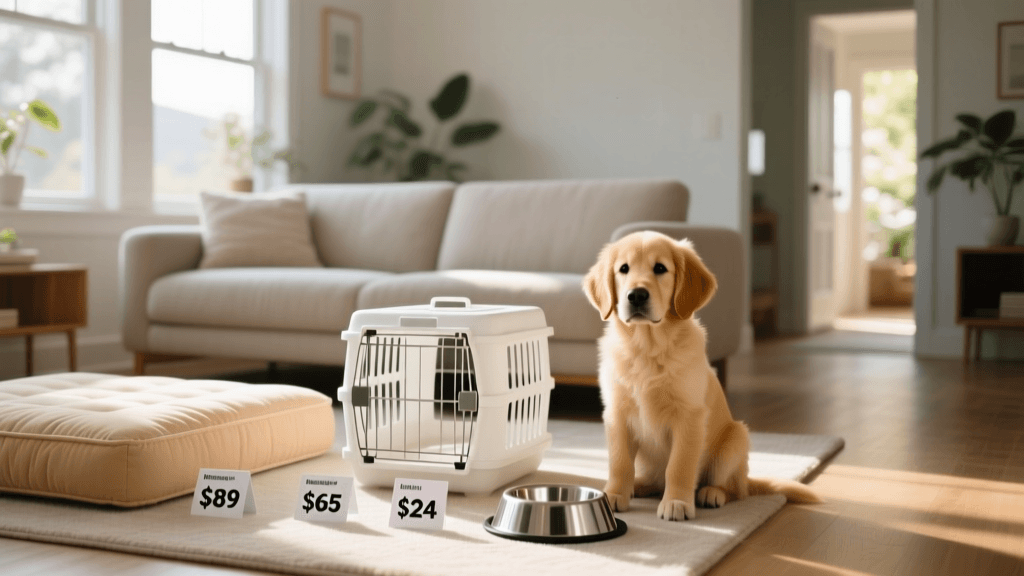
Before your dog’s paws ever touch your floors, you need to assemble the right tools. Below is a structured breakdown of essential puppy-proofing supplies, including specific product types and estimated costs to help you budget effectively.
| Item Category | Recommended Product / Type | Primary Purpose | Estimated Cost |
|---|---|---|---|
| Secure Trash | simplehuman Locking Trash Can | Prevents access to toxic food scraps and bones | $80 - $120 |
| Cord Protection | 3/4-inch Split Loom Tubing | Shields electrical wires from chewing and bites | $15 - $25 |
| Gate Barriers | Hardware-mounted Pet Gate | Blocks access to stairs and hazardous rooms | $40 - $75 |
| Cabinet Locks | Magnetic Childproof Latches | Secures cleaning supplies and medications | $15 - $20 |
| Chew Diversion | KONG Classic Red Rubber Toy | Provides safe, durable mental stimulation | $15 - $20 |
| Safe Zone | Heavy-Duty Wire Playpen | Creates a secure decompression area | $50 - $90 |
Room-by-Room Puppy-Proofing Guide
To ensure no hazard is missed, approach your home systematically. The American Kennel Club (AKC) recommends getting down on your hands and knees to view your home from a dog's eye level. Here is how to tackle the most critical areas of your house.
The Kitchen: Ground Zero for Toxins
The kitchen poses the highest risk for dietary indiscretion and toxicity. First, secure your trash cans. Dogs can easily flip open pedal bins, exposing them to cooked bones (which can splinter and puncture the intestines), avocado pits, and xylitol. Xylitol is an artificial sweetener found in sugar-free gum and some peanut butters that causes a rapid, life-threatening drop in blood sugar and liver failure in dogs. Always read peanut butter labels carefully before offering it as a treat.
Next, evaluate your pantry and countertops. Grapes, raisins, onions, garlic, and macadamia nuts are highly toxic to dogs. Store these items in sealed, hard-plastic or glass containers inside closed cabinets. If you have a habit of leaving grocery bags on the floor or counters, break this habit immediately before your dog arrives.
The Living Room: Cords, Couches, and Houseplants
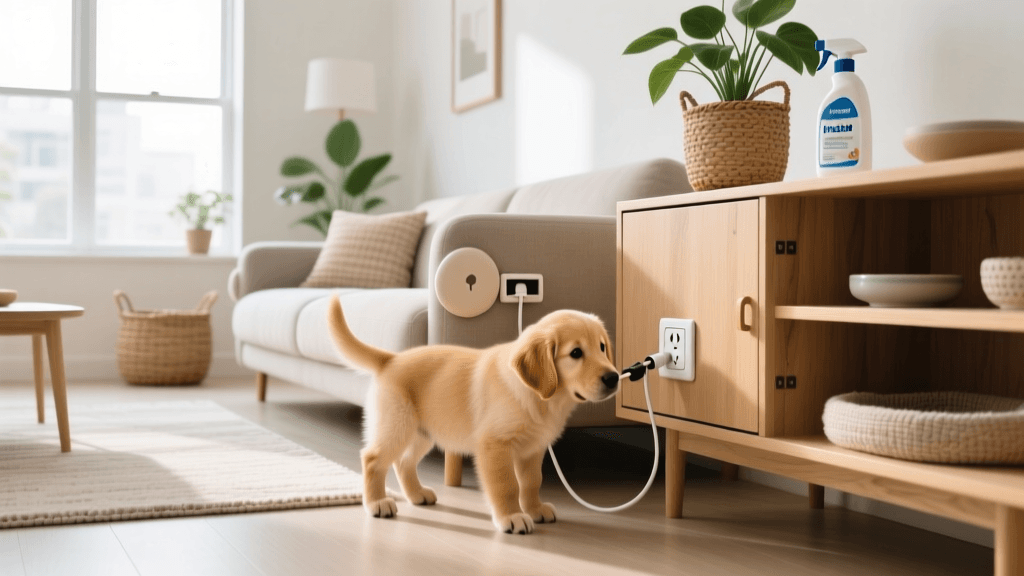
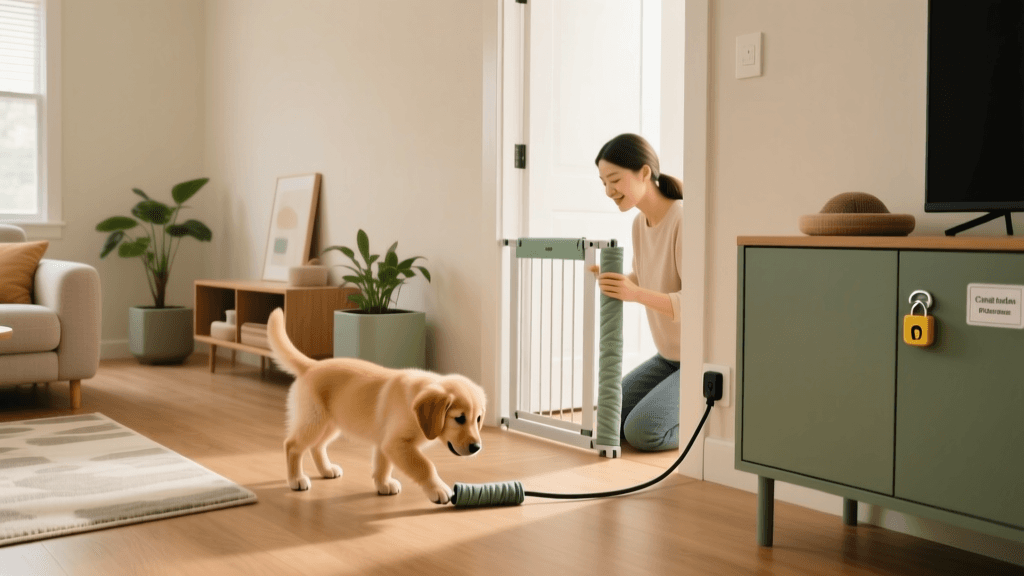
Living rooms are full of hidden dangers. Electrical cords are particularly enticing to teething puppies. A single bite into a live wire can cause severe oral burns, electrocution, or a house fire. Use 3/4-inch split loom tubing to encase loose wires, or use adhesive cable clips to run cords behind baseboards. For power strips, invest in a hard plastic cord management box that locks shut.
Houseplants are another major hazard. Many popular indoor plants, including Pothos, Philodendron, Sago Palms, and Peace Lilies, are highly toxic to canines. The Sago Palm, for instance, can cause fatal liver failure even if only a single seed is ingested. Consult the comprehensive database on the ASPCA Toxic and Non-Toxic Plants list to audit your current greenery. Relocate toxic plants to hanging baskets or high shelves, or better yet, rehome them entirely.
The Bathroom and Laundry Room
Bathrooms and laundry rooms are essentially chemical storage facilities. Human medications, including over-the-counter painkillers like ibuprofen and acetaminophen, are lethal to dogs even in small doses. Never leave pills on the nightstand or bathroom sink; store them in high, latched cabinets. Keep the toilet lid closed at all times to prevent your dog from drinking chemically treated bowl water or dropping toys inside, which can lead to expensive plumbing emergencies.
In the laundry room, ensure that laundry detergent pods are stored in sealed bins. The concentrated liquid inside these pods can cause severe respiratory distress and chemical burns if a dog bites into one. Additionally, check your dryer lint traps and ensure that small items like socks and underwear are never left on the floor, as swallowed textiles are a leading cause of surgical bowel obstructions.
The Backyard and Garage
Your outdoor space requires just as much scrutiny as your interior. Inspect your perimeter fencing for gaps, loose boards, or areas where the soil has eroded. For small breeds, ensure the gap between the bottom of the fence and the ground is no more than two inches. For large, athletic breeds, a standard 4-foot fence may not suffice; consider upgrading to a 6-foot privacy fence to prevent jumping and climbing.
In the garage, secure all automotive fluids. Traditional antifreeze contains ethylene glycol, which tastes sweet to dogs but causes rapid, irreversible kidney failure. Switch to a propylene glycol-based antifreeze, which is significantly safer, and clean up any spills immediately. Store fertilizers, pesticides, and rodenticides in locked metal cabinets, as dogs can easily chew through plastic jugs and cardboard boxes.
Setting Up a Safe Decompression Zone
First-time owners often make the mistake of giving a new dog free roam of the entire house on day one. This leads to overwhelming stress, accidents, and destructive chewing. Instead, set up a dedicated 'decompression zone' using a heavy-duty wire playpen. This area should include a properly sized crate, a water bowl, and safe chew toys.
When sizing a crate, measure your dog from the tip of their nose to the base of their tail, and add 2 to 4 inches. Measure their height from the floor to the top of their head (or ears, if erect) and add 2 to 4 inches. A crate that is too large allows the dog to eliminate in one corner and sleep in the other, defeating the purpose of crate training. As noted by experts at the American Kennel Club, a properly sized crate taps into a dog's natural denning instinct, providing them with a secure sanctuary where they can retreat when the household becomes too noisy or stimulating.
Top 3 Puppy-Proofing Mistakes First-Time Owners Make
1. Relying on Pressure-Mounted Gates for Stairs: Pressure-mounted baby gates can easily be pushed over by a medium or large dog, leading to catastrophic falls. Always use hardware-mounted gates screwed directly into the wall studs at the top of staircases.
2. Forgetting About Vertical Hazards: Puppies can jump onto chairs and push items off tables. Never leave lit candles, hot cups of coffee, or essential oil diffusers on low coffee tables or accessible countertops.
3. Underestimating the 'Teething Phase': Between 12 and 16 weeks of age, puppies will chew to relieve gum pain. If you do not provide ample, texturally varied approved chews (like frozen carrot sticks or rubber Kongs stuffed with plain pumpkin), they will inevitably turn to your wooden baseboards and furniture legs.
Final Thoughts for New Owners
Puppy-proofing your home is an ongoing process, not a one-time checklist. As your dog grows, their reach, strength, and problem-solving abilities will evolve. A puppy that could not reach the kitchen counter at eight weeks old may easily find a way to vault onto it at six months. Stay vigilant, perform weekly sweeps of your floors for dropped pills or small toys, and continually adapt your environment to meet your dog's developmental stages. By investing the time and resources into creating a secure environment today, you are ensuring a lifetime of health, safety, and happiness for your new best friend.
jonas-cole
All our authors care for dogs every day — read more of their work on the authors page.