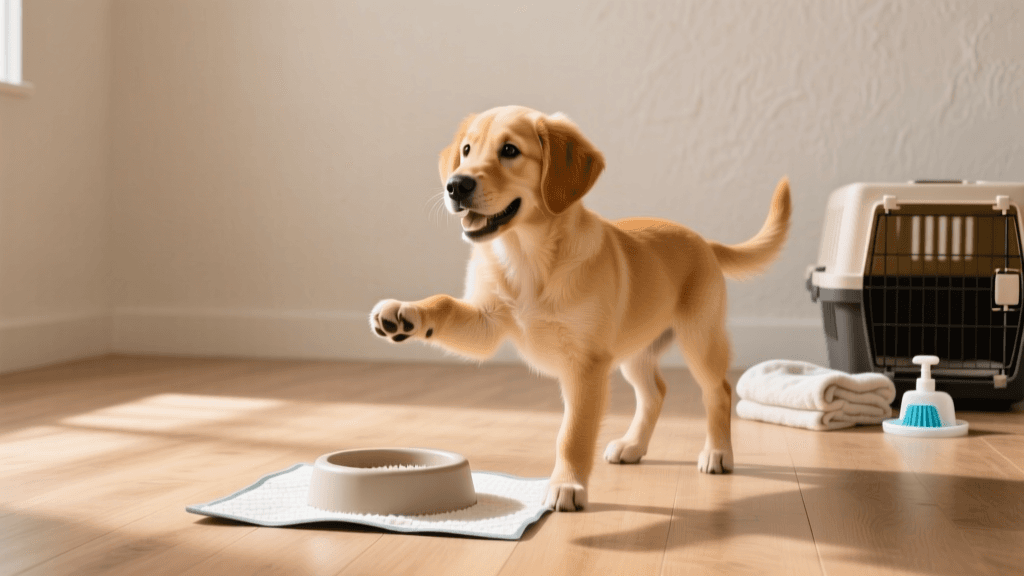
Essential Puppy Potty Training Gear: Smart Bells, Pads, and Cleaners
Discover the best puppy potty training gear, from smart door bells and indoor grass patches to UV stain finders and enzymatic cleaners.

The Foundation of Puppy Potty Training: Why Gear Matters
Bringing a new puppy home is an exhilarating experience, but the honeymoon phase often collides with the reality of potty training. The first year of a dog's life is a critical window for establishing lifelong habits. While patience, consistency, and positive reinforcement are the cornerstones of any successful training regimen, leveraging the right equipment can drastically reduce the timeline and your stress levels. Modern puppy care has evolved far beyond newspaper and cardboard boxes. Today, we have access to smart technology, specialized indoor landscaping, and advanced cleaning chemistry designed specifically for canine biology.
According to guidelines published by The Humane Society of the United States, establishing a predictable routine and managing your puppy's environment are the most effective ways to prevent indoor accidents. The right gear acts as an environmental management tool, bridging the communication gap between your puppy's biological needs and your household rules. In this comprehensive guide, we will explore the essential gear, tech, and equipment that will transform your puppy's potty training journey from a frustrating chore into a streamlined, manageable process.
Smart Potty Bells: Teaching Your Puppy to Communicate
One of the most significant hurdles in potty training is knowing when your puppy actually needs to go outside. Puppies do not instinctively know how to ask to be let out; they simply pace, whine, or worse, have an accident. Potty bells are a simple yet highly effective piece of gear that gives your puppy a voice.
Traditional Jingle Bells vs. Smart Bluetooth Bells
The traditional potty bell setup involves a strap of jingle bells hung over the doorknob of your primary exit door. Priced between $10 and $15, these are an excellent entry-level tool. To train your puppy, you apply a small dab of dog-safe peanut butter to the bell, encouraging them to touch it with their nose. Over a few weeks, you pair the ringing of the bell with the immediate opening of the door and a high-value treat outside.
For tech-savvy pet owners, smart Bluetooth potty bells take this concept further. Priced around $40 to $80, these devices mount to the wall or door at your puppy's nose level. When pressed, they can send a push notification to your smartphone, which is invaluable if you are in the backyard, the garage, or wearing noise-canceling headphones. Some advanced models even track the frequency of potty breaks, helping you identify if your puppy is drinking too much water or developing a urinary issue.
Indoor Potty Systems: Grass Patches and Smart Litter
For owners living in high-rise apartments, dealing with extreme weather, or managing mobility issues, getting outside every two hours isn't always feasible. Indoor potty systems provide a designated, hygienic relief area. However, not all indoor systems are created equal, and choosing the wrong one can confuse your puppy's understanding of where it is acceptable to eliminate.
Subscription Real Grass Patches
Services like Fresh Patch or DoggieLawn deliver hydroponically grown, real grass in a recyclable cardboard or plastic tray directly to your door. Because it is real grass, it naturally absorbs odors and provides the exact tactile and olfactory feedback your puppy experiences outside. This prevents the common issue where puppies trained on plastic pads generalize that any soft, rectangular object (like a bathmat or rug) is a toilet. A standard 24x16 inch patch costs between $30 and $45 per month on a subscription basis.
Synthetic Grass and Smart Drainage Systems
If you prefer a one-time purchase, synthetic grass systems with raised drainage grates are a popular alternative. The urine flows through the permeable turf into a collection tray below, keeping your puppy's paws dry. While the upfront cost is higher ($50 to $100), the ongoing cost is limited to cleaning solutions. However, synthetic turf requires rigorous daily cleaning to prevent ammonia buildup.
Indoor Potty Solutions Comparison Chart
| Potty System Type | Pros | Cons | Estimated Cost |
|---|---|---|---|
| Real Grass Subscription | Natural feel, absorbs odor, prevents rug confusion | Recurring monthly cost, requires balcony/outdoor disposal | $30 - $45 / month |
| Synthetic Turf with Tray | One-time purchase, reusable, easy to hose off | Can retain odor if not cleaned daily, unnatural texture | $50 - $100 (upfront) |
| Washable Pee Pads | Eco-friendly, machine washable, soft surface | High risk of generalization to rugs, requires frequent laundering | $20 - $30 (upfront) |
| Smart Indoor Litter Box | Automated cleaning, odor sealing, tracks usage data | Very expensive, requires specific litter refills, loud mechanics | $300+ (upfront) |
Enzymatic Cleaners and UV Tech: The Unsung Heroes
No matter how diligent you are, accidents will happen during the first year. How you clean those accidents dictates whether your puppy will repeat the behavior. Canine urine contains uric acid, which crystallizes as it dries. Standard household cleaners, vinegar, or steam cleaners might remove the visible stain and the initial ammonia smell, but they leave the uric acid crystals behind. When humidity rises, the crystals reactivate, and your puppy's highly sensitive nose will detect the scent, signaling that this is an approved bathroom spot.
The Science of Enzymatic Cleaners
To completely eliminate the scent marker, you must use a high-quality enzymatic cleaner. These cleaners utilize specific bacteria that produce enzymes (like protease and amylase) to literally digest the organic matter and uric acid crystals. When shopping for an enzymatic cleaner, look for products that specify a dwell time. You must saturate the stain and allow the enzymes to sit for 10 to 15 minutes to break down the crystals before blotting it dry. As noted in the ASPCA's guide on house training, thoroughly neutralizing the odor of past accidents is a non-negotiable step in preventing future regressions.
UV Blacklight Flashlights for Stain Detection
If you have adopted an older puppy or moved into a new home, hidden stains can sabotage your training efforts. A UV blacklight flashlight is an essential piece of diagnostic gear. For optimal detection of dried pet urine, you need a UV light with a wavelength of 365nm to 395nm. Lights in the 365nm range are superior because they emit less visible purple light, making the dull yellow or green fluorescence of dried urine stand out starkly against carpets and baseboards. Priced between $15 and $25, a good UV flashlight will save you hours of frustration and ensure your enzymatic treatments are applied exactly where they are needed.
Smart Cameras for Cue Monitoring and Routine Building
Puppies exhibit subtle physical cues before they eliminate: sniffing the ground intently, circling, squatting slightly, or wandering away from the family to find a quiet corner. By the time you notice these cues from across the room, it is often too late. Smart home cameras are a game-changer for proactive potty training.
Devices like the Wyze Cam or Furbo Dog Camera allow you to monitor your puppy's behavior from your smartphone while you are working in a home office or cooking in the kitchen. Setting up a camera in your puppy's primary play area or pen allows you to spot the early signs of the "potty dance." The moment you see your puppy begin to circle or sniff a specific corner, you can immediately intervene, scoop them up, and carry them outside to their designated potty spot, rewarding them heavily when they finish.
Furthermore, smart cameras with two-way audio allow you to use a gentle voice interrupter. If you catch your puppy in the act of squatting indoors, a calm "Ah-ah" through the camera speaker can pause the behavior just long enough for you to redirect them outside without causing the fear or anxiety associated with yelling or physical punishment.
Your Ultimate Puppy Potty Training Gear Checklist
Equipping yourself with the right tools before your puppy arrives sets the stage for a harmonious first year. Here is your essential shopping list to ensure you are prepared for every stage of the potty training process:
- Communication Tool: A traditional jingle bell strap or a smart Bluetooth wall button mounted at your puppy's nose height.
- Containment & Management: An adjustable wire crate or a modular exercise pen to limit roaming space when unsupervised.
- Indoor Relief (Optional): A real grass subscription patch or a synthetic turf tray for high-rise living or emergency nighttime use.
- Biological Cleaners: At least 32 ounces of a high-quality, bacteria-based enzymatic cleaner specifically formulated for pet urine.
- Diagnostic Tech: A 365nm UV blacklight flashlight to identify hidden stains in carpets and upholstery.
- Monitoring Gear: A 1080p smart home camera with night vision and two-way audio to monitor potty cues from another room.
- High-Value Rewards: A dedicated treat pouch filled with soft, pea-sized training treats reserved exclusively for successful outdoor elimination.
By combining the behavioral science of positive reinforcement with modern gear and technology, you remove the guesswork from potty training. You are not just cleaning up messes; you are actively building a communication system with your puppy that will serve as the foundation for a lifetime of trust and good habits.
robin-maitland
All our authors care for dogs every day — read more of their work on the authors page.