Puppy Poisoning Emergency Guide: Toxins and First Aid
Learn how to identify common household toxins, perform emergency first aid for puppy poisoning, and when to contact animal poison control.
The Hidden Dangers in Your Home
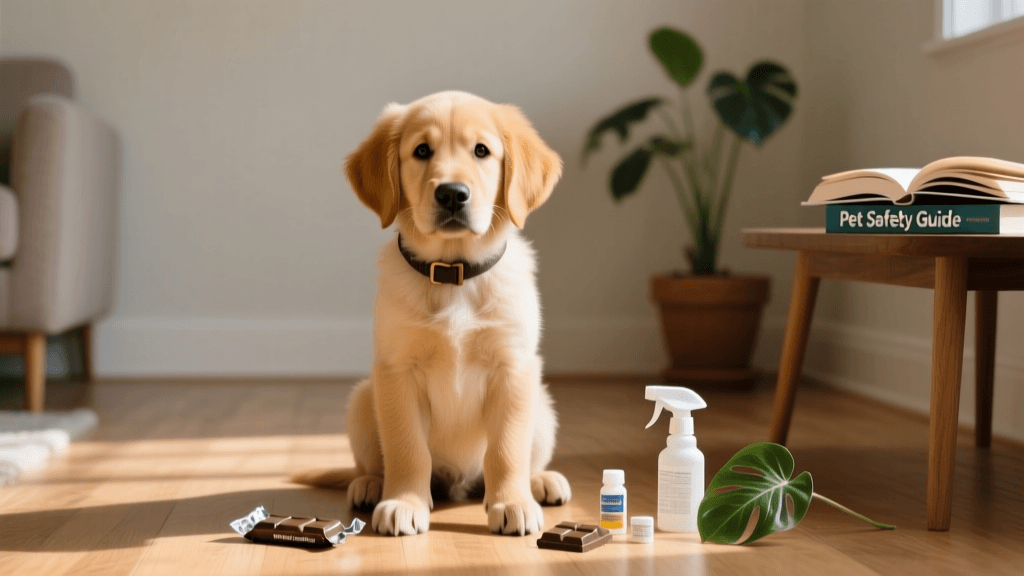
Bringing a new puppy home is an exhilarating experience, but their natural curiosity and tendency to explore the world with their mouths can quickly turn dangerous. Puppies lack the instinctual aversion to toxic substances that older dogs might possess, making them highly susceptible to accidental poisoning. According to the ASPCA Animal Poison Control, tens of thousands of pets are exposed to toxic substances every year, with a significant percentage being young, inquisitive dogs under one year of age.
As a responsible pet owner, understanding the most common household toxins, recognizing the clinical signs of poisoning, and knowing exactly how to execute an emergency response can mean the difference between life and death. This comprehensive emergency and safety guide will equip you with the actionable knowledge required to handle a puppy poisoning crisis, complete with specific dosages, financial expectations, and a room-by-room prevention checklist.
Top Household Toxins and Their Effects
Before you can respond to an emergency, you must know what to look for. The following categories represent the most frequent and severe poisoning threats to puppies.
1. Xylitol (Birch Sugar)
Xylitol is a sugar substitute commonly found in sugar-free gum (such as Orbit or Trident), breath mints, baked goods, and certain brands of peanut butter. Even in minuscule amounts, xylitol triggers a massive, rapid release of insulin in dogs, leading to profound hypoglycemia (low blood sugar) within 10 to 60 minutes. If left untreated, it progresses to acute hepatic necrosis (liver failure). The Pet Poison Helpline notes that as little as 100 milligrams of xylitol per kilogram of body weight can cause severe toxicity in a small puppy.
2. Chocolate and Caffeine
Both chocolate and caffeine contain methylxanthines, specifically theobromine and caffeine, which dogs metabolize much slower than humans. The danger level depends on the type of chocolate and the puppy's weight. Cocoa powder and baking chocolate are highly concentrated and the most lethal, while milk chocolate poses a moderate risk. Symptoms of methylxanthine toxicity include hyperactivity, restlessness, vomiting, elevated heart rate, tremors, and potentially fatal seizures.
3. Human Medications
Puppies often mistake dropped pills for treats. Non-Steroidal Anti-Inflammatory Drugs (NSAIDs) like ibuprofen (Advil, Motrin) and naproxen (Aleve) can cause severe gastrointestinal ulceration and acute kidney failure in dogs. Acetaminophen (Tylenol) is equally dangerous, leading to liver damage and a condition called methemoglobinemia, where the blood loses its ability to carry oxygen, resulting in chocolate-brown gums and respiratory distress.
4. Toxic Plants and Flowers
Many common houseplants and garden flora are highly toxic. The Sago Palm, often found in homes and warm-climate gardens, is extremely deadly; ingestion of even a single seed can cause irreversible liver failure. Other notable threats include Oleander, Autumn Crocus, and certain species of Lilies. Always cross-reference your home's flora with the AKC's list of common dog poisons to ensure your environment is safe.
Emergency Action Plan: Step-by-Step
If you suspect your puppy has ingested a toxic substance, time is of the essence. Do not wait for symptoms to appear. Follow this strict emergency protocol:
Step 1: Identify and Isolate
Immediately remove the puppy from the area to prevent further ingestion. Secure the remaining toxin, the packaging, and any vomit. The exact product name, active ingredients, and the approximate amount consumed are vital pieces of information for veterinary professionals.
Step 2: Contact Poison Control
Before driving to the vet, call a dedicated animal poison control center. They have board-certified veterinary toxicologists on staff who can calculate exact toxicity thresholds based on your puppy's weight and advise the emergency vet on specific antidotes or treatments.
- ASPCA Animal Poison Control Center: (888) 426-4435
- Pet Poison Helpline: (855) 764-7661
Step 3: The Hydrogen Peroxide Protocol (Inducing Vomiting)
Inducing vomiting is only recommended if the ingestion occurred within the last two hours and the puppy is fully conscious. Never induce vomiting if your puppy has ingested a caustic substance (like bleach or batteries), a petroleum distillate, or is showing neurological signs like seizures.
If directed by a poison control specialist or your veterinarian to induce vomiting at home, use only 3% Hydrogen Peroxide. Higher concentrations are highly corrosive and can cause severe tissue damage.
- Dosage: 1 teaspoon (5 milliliters) per 5 pounds of body weight.
- Maximum Dose: Never exceed 3 tablespoons (45 milliliters), regardless of the puppy's size.
- Administration: Use a syringe to squirt the peroxide into the back of the puppy's mouth or mix it with a small amount of wet food. Vomiting should occur within 10 to 15 minutes. If it does not, you may repeat the dose exactly once. If the puppy still has not vomited, stop and transport them to the emergency vet immediately.
Note: Never use salt, mustard, or Syrup of Ipecac to induce vomiting in dogs, as these can cause fatal complications or severe sodium ion poisoning.
Step 4: Transport to the Emergency Vet
Bring the toxin packaging, the poison control case number, and any vomit samples with you to the clinic. Keep the puppy calm, warm, and secure in a carrier during transit to prevent injury in case of sudden neurological episodes.
Financial Impact: Emergency Vet vs. Poison Control
Emergencies are stressful enough without the added anxiety of unexpected veterinary bills. Understanding the potential costs can help you prepare an emergency fund. Below is a comparison of estimated expenses associated with puppy poisoning incidents.
| Service / Intervention | Estimated Cost (USD) | Notes |
|---|---|---|
| Poison Control Consultation | $75 - $95 | ASPCA charges a flat fee per case; Pet Poison Helpline charges approx. $59. |
| Emergency Vet Exam & Triage | $150 - $250 | After-hours emergency clinics typically charge higher base fees. |
| Decontamination (Inducing Vomiting/Activated Charcoal) | $50 - $150 | Includes anti-nausea injections (e.g., Cerenia) to prevent aspiration. |
| Intravenous (IV) Fluids & Hospitalization | $200 - $800+ | Depends on duration of stay; necessary for kidney/liver support. |
| Antidotes / Specific Medications | $50 - $500 | E.g., Vitamin K1 for rodenticide, or IV lipid emulsion for certain toxins. |
| Total Estimated Range | $525 - $1,800+ | Severe cases requiring prolonged ICU care can exceed $5,000. |
Room-by-Room Puppy Proofing Checklist
Prevention is always safer and more cost-effective than emergency intervention. Use this structured checklist to puppy-proof your home against accidental poisoning:
The Kitchen
- Store all sugar-free products, especially gum and peanut butter, in high, closed cabinets.
- Ensure chocolate, grapes, raisins, onions, and garlic are completely inaccessible.
- Keep trash cans secured with locking lids or store them inside latched pantry doors.
- Check under the sink to ensure household cleaners, bleach, and dishwasher pods are secured behind child-proof locks.
The Bathroom
- Keep the toilet lid closed, especially if you use automatic drop-in bowl cleaners.
- Store all human medications, vitamins, and supplements in high cabinets, not on the edge of the sink or counter.
- Secure essential oils, liquid potpourri, and cosmetics.
The Living Room & Bedrooms
- Audit all houseplants. Remove Sago Palms, Pothos, and Philodendrons, or place them in rooms the puppy cannot access.
- Keep purses and backpacks off the floor; visitors often carry xylitol gum or ibuprofen in their bags.
- Ensure all prescription medications dropped on the carpet or bedding are found immediately.
- Store laundry detergent pods in sealed containers, as their bright colors and squishy texture mimic puppy toys.
Conclusion
A puppy's first year is a critical period of learning and growth, but it is fraught with environmental hazards. By familiarizing yourself with the signs of toxicity, keeping the ASPCA Poison Control number saved in your phone, and understanding the proper administration of 3% hydrogen peroxide, you are actively safeguarding your puppy's life. Couple this emergency readiness with diligent, room-by-room puppy proofing, and you will create a secure environment where your new companion can thrive safely.
marcus-aldridge
All our authors care for dogs every day — read more of their work on the authors page.