Puppy Poisoning Emergency Guide: Toxic Foods & First Aid
Learn how to handle puppy poisoning emergencies. Discover toxic household hazards, first aid steps, and when to call the pet poison helpline immediately.
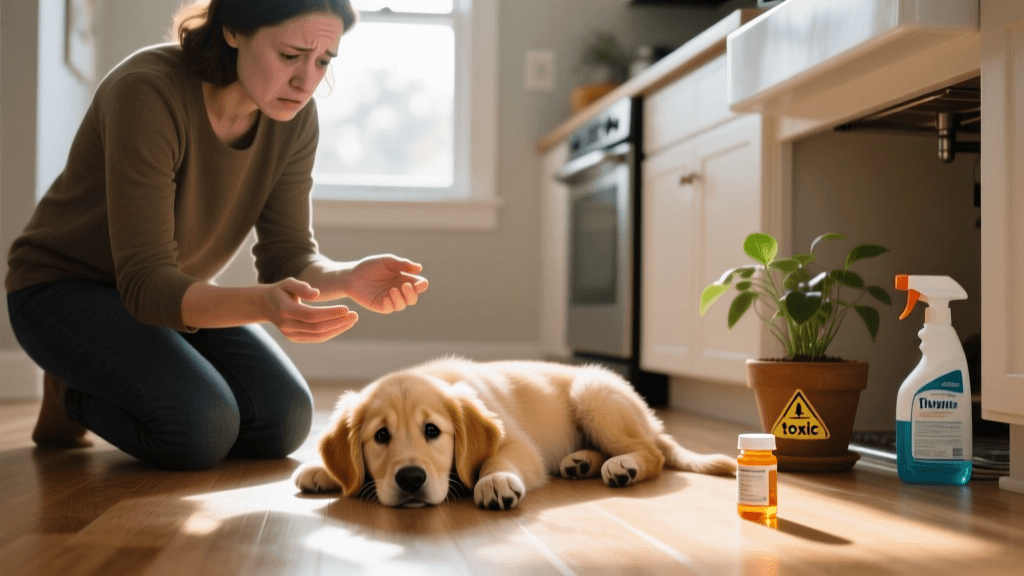
The Golden Rule of Puppy Poisoning Emergencies
Puppies explore the world primarily through their mouths. While this is a natural developmental milestone, it makes them exceptionally vulnerable to accidental poisoning. During the first year of life, a puppy's curiosity can lead them to chew on toxic houseplants, swallow dropped medications, or ingest dangerous human foods. According to the ASPCA Animal Poison Control Center, tens of thousands of pet poisoning cases are reported annually, with young, inquisitive dogs making up a significant portion of these emergencies. In a poisoning scenario, time is your most critical asset. Rapid intervention can mean the difference between a minor veterinary visit and a life-threatening crisis that requires prolonged hospitalization and costs thousands of dollars. This guide will equip you with the knowledge to identify common household toxins, administer safe first aid, and prepare for an emergency veterinary visit.
Recognizing the Signs of Toxicity in Puppies
The symptoms of poisoning can vary wildly depending on the toxin ingested, the amount consumed, and the puppy's body weight. Because puppies have smaller livers and kidneys than adult dogs, their bodies are less equipped to metabolize and filter out toxic compounds. Watch closely for the following clinical signs:
- Gastrointestinal Distress: Sudden vomiting, diarrhea (sometimes with blood), excessive drooling, or loss of appetite.
- Neurological Symptoms: Tremors, seizures, extreme lethargy, disorientation, or uncharacteristic hyperactivity.
- Cardiovascular Issues: Pale gums, rapid or irregular heartbeat, and sudden collapse.
- Respiratory Distress: Panting heavily without exercise, coughing, or difficulty breathing.
- Organ Failure Indicators: Excessive thirst and urination (often pointing to kidney issues) or yellowing of the gums and eyes (jaundice, indicating liver damage).
If you observe any of these symptoms and suspect your puppy has ingested something harmful, treat it as a medical emergency.
Common Household Toxins for Puppies
Prevention is always the best strategy. Below is a structured comparison chart of some of the most dangerous toxins commonly found in homes, detailing their toxicity levels and primary symptoms.
| Toxin | Toxicity Level | Primary Symptoms | Common Household Sources |
|---|---|---|---|
| Xylitol (Birch Sugar) | Extreme | Hypoglycemia, seizures, acute liver failure | Sugar-free gum, diet peanut butter, baked goods |
| Grapes and Raisins | High | Vomiting, lethargy, acute kidney failure | Fruit bowls, trail mix, baked goods, cereals |
| Dark Chocolate | Moderate to High | Arrhythmia, tremors, seizures, vomiting | Candy, baking chocolate, cocoa powder |
| Sago Palm | Extreme | Vomiting, melena, liver failure, death | Indoor ornamental potted plants |
| Ethylene Glycol | Extreme | Ataxia (drunken gait), kidney failure, coma | Antifreeze, automotive coolants, de-icers |
| Ibuprofen / NSAIDs | High | Stomach ulcers, acute renal failure | Dropped pills, open purses, nightstands |
The Hidden Dangers of Xylitol and Grapes
Xylitol is an artificial sweetener that is harmless to humans but catastrophic for dogs. Even a minuscule amount (as little as 0.1 grams per kilogram of body weight) can trigger a massive release of insulin in a puppy, leading to profound hypoglycemia (low blood sugar) within 30 minutes. If left untreated, it progresses to irreversible liver necrosis. Always check the ingredient label of any peanut butter you use for hiding puppy pills or stuffing Kong toys to ensure it is xylitol-free.
Similarly, grapes and raisins pose a severe threat. The exact toxic mechanism was a mystery for years, but recent veterinary research suggests that tartaric acid in grapes causes acute renal tubular necrosis in dogs. There is no established "safe" dose; even a single raisin dropped on the floor can trigger kidney failure in a small-breed puppy.
Immediate First Aid: What to Do (and What NOT to Do)
If you catch your puppy in the act of eating something toxic, your first step is to safely remove the substance from their mouth. Do not get bitten; use a towel or gently pry the jaw open if necessary. Next, secure the packaging or a sample of the plant. This information is vital for the toxicologist.
Immediately contact a professional. You can reach the Pet Poison Helpline or the ASPCA Animal Poison Control Center. Be aware that these hotlines typically charge a consultation fee (usually around $85 to $95), but this fee provides you with a dedicated case number and expert, round-the-clock triage that can save your puppy's life. They will calculate the exact toxic dose based on your puppy's current weight in kilograms and advise you on the next steps.
Should You Induce Vomiting?
A common misconception is that you should always make a dog throw up after they eat something bad. This is false and can be fatal. You should NEVER induce vomiting if your puppy has ingested a caustic substance (like bleach or drain cleaner), a sharp object (like a bone or glass), or a petroleum-based product, as bringing these back up will cause severe secondary damage to the esophagus and lungs. Furthermore, never induce vomiting if your puppy is already lethargic, seizing, or having difficulty breathing, as they may aspirate the vomit into their lungs, leading to fatal aspiration pneumonia.
If the poison control expert explicitly instructs you to induce vomiting at home, the only safe over-the-counter method is using standard 3% hydrogen peroxide. The standard dosage is 1 milliliter (ml) per pound of body weight, up to a maximum of 45 ml (3 tablespoons). Administer it via a syringe into the back of the mouth. Vomiting should occur within 10 to 15 minutes. If it does not, do not administer a second dose without veterinary instruction, as concentrated hydrogen peroxide in the stomach can cause severe ulceration. Never use salt, mustard, or syrup of ipecac, as these are highly dangerous to dogs.
Building a Puppy First Aid Kit
Every puppy owner should have a dedicated pet first aid kit ready before the puppy even comes home. Here is a breakdown of essential emergency supplies, including estimated costs to help you budget:
- 3% Hydrogen Peroxide: $3 - $5. (Check the expiration date every six months; it loses efficacy over time).
- Oral Syringes (10ml and 20ml): $2 - $4. (For administering peroxide or liquid medications).
- Activated Charcoal: $10 - $15. (Only use if explicitly directed by a vet to bind toxins in the gut).
- Digital Pet Thermometer: $10 - $15. (Normal puppy temperature is 100°F to 102.5°F).
- Styptic Powder: $6 - $8. (To stop bleeding from torn puppy nails).
- Saline Eye Wash: $4 - $6. (To flush out debris or mild chemical splashes from the eyes).
- Emergency Contact Sheet: Free. (Print out your primary vet, the nearest 24-hour emergency clinic, and the Poison Control numbers and tape it to your refrigerator).
Total estimated cost for a basic emergency kit is between $35 and $55, a small price to pay for peace of mind during your puppy's most destructive teething phases.
Preparing for the Emergency Vet Visit
If the poison control center or your primary veterinarian advises an immediate emergency visit, preparation is key. The American Veterinary Medical Association (AVMA) recommends bringing the following to the clinic:
- The Packaging: Bring the exact wrapper, bottle, or plant clipping. The vet needs to read the active ingredients and concentration levels.
- Time of Ingestion: Note the exact time you suspect the puppy ate the toxin. This dictates whether inducing vomiting is still viable or if the toxin has already passed into the intestines.
- Amount Consumed: Provide a realistic estimate. If a 50-pill bottle of ibuprofen was on the floor and you found it chewed up, assume the puppy swallowed all 50 pills. Vets will treat for the worst-case scenario.
- Puppy's Weight: Know your puppy's exact weight in pounds or kilograms. Dosages for emergency IV medications and activated charcoal are strictly weight-dependent.
Emergency veterinary care can be expensive. Treating a puppy for xylitol toxicity or grape ingestion often requires IV fluids, blood panels, and overnight monitoring, which can cost anywhere from $800 to over $2,500. Consider investing in a comprehensive pet insurance policy that covers accidental poisoning and emergency care before you bring your puppy home. Many policies have a waiting period of 14 days for illnesses, but accidents are often covered immediately after enrollment.
Puppy-Proofing Your Home: A Proactive Approach
The ultimate emergency guide is one you never have to use. Puppy-proofing your home requires you to get down on your hands and knees and view the environment from a puppy's eye level. Secure all medications in high cabinets with child-proof locks. Keep purses and backpacks off the floor, as they often contain sugar-free gum, ibuprofen, or toxic cosmetics. Move toxic houseplants to hanging planters or rooms the puppy cannot access. Use baby gates to block off areas like the garage or laundry room where antifreeze and detergents are stored. By combining a meticulously puppy-proofed home with a well-stocked first aid kit and the knowledge of when to call the experts, you ensure your puppy can safely navigate their crucial first year of life.
marcus-aldridge
All our authors care for dogs every day — read more of their work on the authors page.