The Science of Puppy Socialization: Brain Development Guide
Discover the science behind the critical puppy socialization window. Learn actionable, vet-backed steps to shape your pup's brain and prevent fear.
The Neurological Basis of the Socialization Window
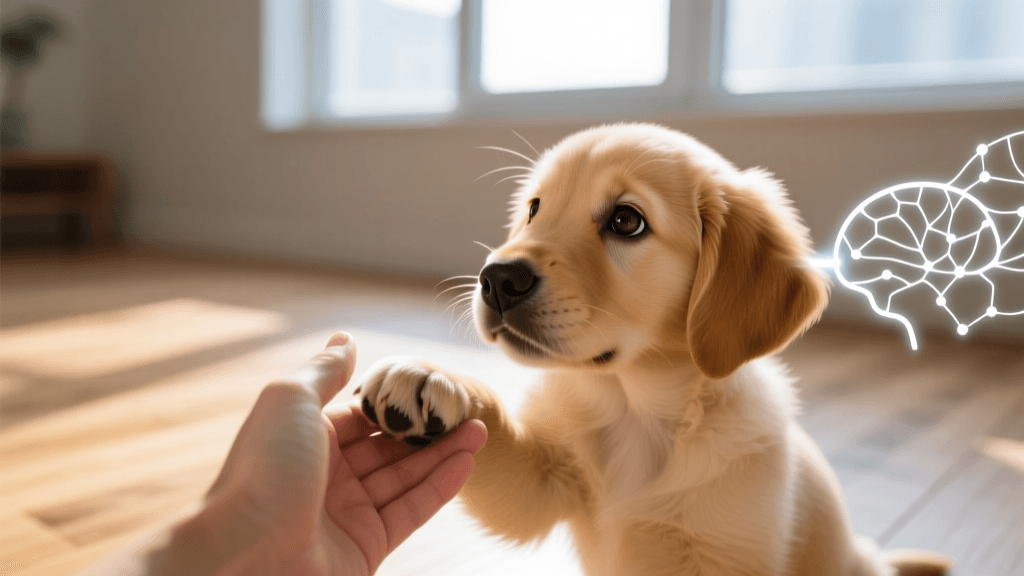
When a puppy is born, their brain is only a fraction of its adult size, and their neurological pathways are highly malleable. This period of intense neuroplasticity is known as the critical socialization window, which peaks between 3 and 14 weeks of age. During this time, a puppy's brain is literally wiring itself based on environmental inputs. According to the American Veterinary Society of Animal Behavior (AVSAB), the primary socialization period ends around 12 to 14 weeks, after which a dog's natural response to novel stimuli shifts from curiosity to caution or fear.
From a neurological perspective, the amygdala—the brain region responsible for processing fear and emotional responses—develops rapidly during these early weeks. If a puppy is not exposed to a wide variety of positive stimuli (new surfaces, loud noises, different demographics of people, and other animals) before this window closes, the brain defaults to treating the unknown as a threat. This is the scientific root of many adult behavioral issues, including leash reactivity, noise phobias, and human-directed aggression.
Synaptic Pruning and Environmental Enrichment
As a puppy approaches the end of the 14-week mark, a process called synaptic pruning begins. The brain eliminates neural connections that are not frequently used to increase the efficiency of the remaining pathways. If a puppy spends their first three months in a barren or under-stimulating environment, the neural pathways associated with adaptability and confidence are pruned away. Conversely, VCA Animal Hospitals notes that puppies exposed to rich, varied, and positive environments develop thicker, more resilient neural networks in the prefrontal cortex, which helps regulate emotional responses and impulse control later in life.
Mapping the Critical Weeks: A Science-Backed Timeline
To optimize your puppy's brain development, it is crucial to understand the specific milestones of their early weeks. Below is a structured timeline detailing the neurological focus and the actionable steps you should take at each stage.
| Age Range | Developmental Stage | Neurological Focus | Actionable Protocol |
|---|---|---|---|
| 3 to 5 Weeks | Transitional Period | Sensory awakening; eyes and ears open. Initial startle responses develop. | Breeder should introduce mild auditory stimuli (e.g., low-volume radio) and varied tactile surfaces in the whelping box. |
| 6 to 8 Weeks | Primary Socialization | Bite inhibition learning; littermate hierarchy; human attachment formation. | Handle paws, ears, and mouth daily for 5 minutes. Introduce puzzle feeders to build cognitive problem-solving skills. |
| 8 to 12 Weeks | Peak Window (Human World) | Rapid environmental mapping; high neuroplasticity; fear threshold is high. | Expose to 10-15 new stimuli weekly. Attend structured puppy kindergarten classes. Introduce car rides and vacuum noises at low decibels. |
| 12 to 14 Weeks | Window Closing / Fear Period | Amygdala dominance increases; synaptic pruning begins; fear responses solidify. | Shift from sheer volume of exposure to quality of exposure. Use high-value counter-conditioning for any emerging fears. |
Actionable, Science-Backed Socialization Protocols
Understanding the science is only half the battle; applying it requires a structured, measurable approach. Many new owners mistakenly believe that socialization simply means letting their puppy play with other dogs. In reality, true socialization is about building neutral or positive associations with the entire environment. Here are specific, actionable protocols to implement during the 8 to 12-week peak window.
1. The 100 Exposures Challenge
Aim to safely expose your puppy to 100 distinct environmental variables by the time they are 16 weeks old. This includes different types of flooring (gravel, metal grates, wet grass), various hats and uniforms, umbrellas opening, and the sound of dropping pots and pans. Keep a dedicated journal to track these exposures. If your puppy shows hesitation, do not force them. Instead, use classical conditioning: pair the scary stimulus with a high-value reward, such as boiled chicken or freeze-dried liver, to rewire the amygdala's fear response into a positive anticipation response.
2. Early Enrollment in Puppy Kindergarten
Historically, veterinarians advised waiting until a puppy was fully vaccinated (around 16 weeks) before attending group classes. However, modern behavioral science strongly contradicts this. The AVSAB explicitly states that the risk of a puppy contracting a disease in a clean, managed class environment is vastly outweighed by the risk of behavioral euthanasia later in life due to poor socialization. Enroll your puppy in a force-free puppy kindergarten class one week after they receive their first DHPP (Distemper, Hepatitis, Parvovirus, Parainfluenza) vaccine, typically around 7 to 8 weeks of age. Expect to invest between $120 and $250 for a 6-week course. Ensure the facility requires proof of age-appropriate vaccinations and deworming for all attendees to maintain biosecurity.
3. Cooperative Care and Handling Desensitization
Veterinary visits and grooming can trigger severe panic in under-socialized dogs. Begin cooperative care training at 8 weeks. Spend 5 minutes daily gently massaging your puppy's paws, looking inside their ears, and lifting their lips. Introduce the vibration and sound of a nail grinder, such as the Dremel PawControl 7300-PT (retailing around $35), without actually touching the nail. Turn it on, give a treat, and turn it off. This systematic desensitization prevents the development of handling phobias and ensures your dog can safely receive medical care as an adult.
Navigating the First Fear Period
Between 8 and 11 weeks of age, puppies often experience their first 'fear period,' a temporary spike in cortisol levels that makes them hyper-vigilant and easily spooked. During this biological phase, a single traumatic event (like being chased by a larger dog or slipping on a hard floor) can create a lifelong phobia. The American Kennel Club (AKC) advises owners to be hyper-observant during these weeks.
If your puppy exhibits fear—tucking their tail, pinned ears, or refusing treats—immediately increase the distance between them and the stressor. Do not coddle them with a panicked voice, as this can validate the fear response. Instead, use a calm, upbeat tone and engage them in a simple obedience cue they know well, like 'sit' or 'touch,' rewarding heavily with soft treats like Zuke's Mini Naturals (approx. $6 per 6oz bag). This shifts the brain from the emotional center (amygdala) to the thinking center (prefrontal cortex), effectively short-circuiting the panic response.
Long-Term Behavioral Health and Investment
The time, effort, and financial investment you put into your puppy's brain development during their first 14 weeks will yield dividends for the next 10 to 15 years. A well-socialized dog is not just a 'friendly' dog; they are a resilient, adaptable companion capable of handling the unpredictable nature of human environments without resorting to fight-or-flight responses. By leveraging the science of neuroplasticity, respecting the biological timelines of synaptic pruning, and utilizing positive reinforcement protocols, you are quite literally building a better brain. Commit to the process, track your progress, and watch your puppy develop into a confident, emotionally regulated adult dog.
anouk-beaumont
All our authors care for dogs every day — read more of their work on the authors page.