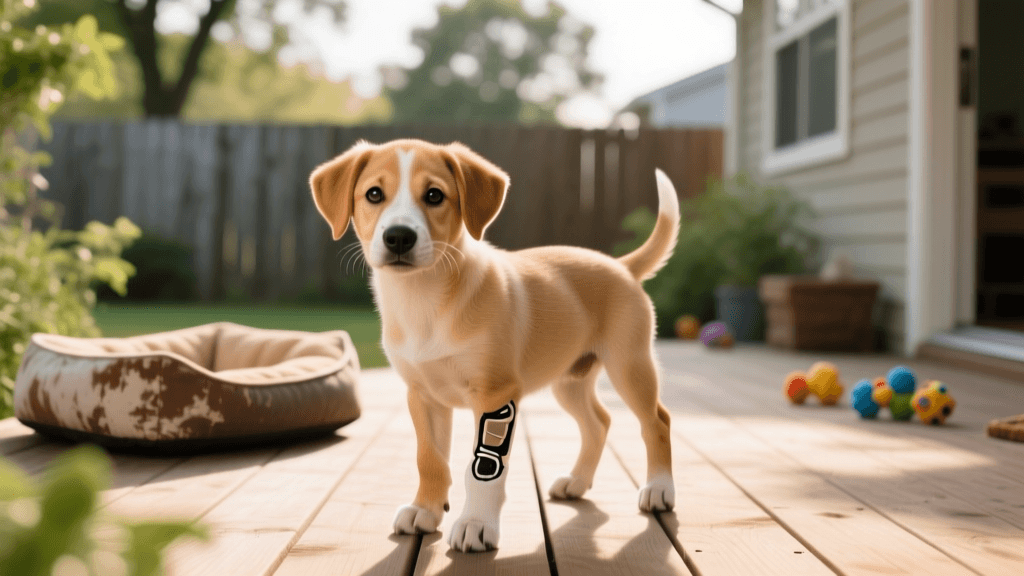
Managing Early-Onset Puppy Osteoarthritis in 2026: Joint Care Guide
Discover how to manage early-onset osteoarthritis and hip dysplasia in puppies. Learn 2026 joint care tips, safe supplements, and vet treatments.
Understanding Early-Onset Osteoarthritis in Puppies
When we think of canine osteoarthritis (OA), we typically picture senior dogs moving stiffly or struggling to climb stairs. However, early-onset osteoarthritis in puppies is a significant and growing concern in the veterinary community in 2026. Juvenile OA is almost always secondary to Developmental Orthopedic Diseases (DOD) such as hip dysplasia, elbow dysplasia, or osteochondritis dissecans (OCD). As a puppy parent, recognizing the signs and intervening early is critical to ensuring your growing dog lives a pain-free, active life. This comprehensive 2026 guide covers everything from early diagnostics to puppy-safe joint supplements and environmental modifications.
Developmental Orthopedic Diseases occur when a puppy's skeleton does not grow correctly. According to the Cornell University College of Veterinary Medicine, hip dysplasia is a heritable condition where the ball and socket of the hip joint do not fit or develop properly, leading to joint laxity. This laxity causes abnormal wear and tear on the cartilage, triggering early-onset osteoarthritis well before the puppy reaches its first birthday. In 2026, advancements in AI-assisted radiographic screening allow veterinarians to detect subtle joint laxity in puppies as young as 12 weeks old, enabling proactive treatment before irreversible cartilage damage occurs.
Recognizing the Signs of Joint Pain in Puppies
Puppies are notorious for hiding pain, and they rarely "act old." Instead, look for subtle behavioral shifts. Symptoms of early-onset OA include the "bunny hop" gait (using both hind legs simultaneously when running), reluctance to jump into the car or onto furniture, stiffness after napping, or lagging behind on walks. Some puppies may exhibit behavioral changes, such as uncharacteristic irritability when handled, flinching when petted near the hips, or a sudden disinterest in playing with toys. If you notice any of these signs, schedule a veterinary orthopedic evaluation immediately.
2026 Veterinary Treatments for Juvenile Osteoarthritis
Treating juvenile OA requires a delicate balance because a puppy's growth plates are still open. Traditional NSAIDs (non-steroidal anti-inflammatory drugs) are often restricted or used with extreme caution in young, growing dogs due to potential impacts on bone development and organ function. Instead, modern 2026 veterinary protocols emphasize disease-modifying agents and early surgical interventions.
- Juvenile Pubic Symphysiodesis (JPS): For puppies diagnosed with hip dysplasia between 12 and 20 weeks of age, JPS is a minimally invasive procedure that alters the growth of the pelvis, allowing the hip socket to grow deeper and cover the femoral head more securely.
- Polysulfated Glycosaminoglycans (PSGAGs): Injectable medications like Adequan Canine are frequently prescribed for puppies. PSGAGs inhibit cartilage-degrading enzymes and stimulate the synthesis of healthy joint fluid.
- Regenerative Medicine: Stem cell therapy and Platelet-Rich Plasma (PRP) injections have become mainstream in 2026 for managing juvenile joint inflammation without the side effects of systemic painkillers.
- Hydrotherapy: Underwater treadmills and warm-water swimming pools are now standard in puppy physical therapy, building stabilizing muscle mass without loading the joints.
Nutrition and Weight Management
The American Kennel Club emphasizes that keeping a puppy lean is the single most effective way to slow the progression of osteoarthritis. Excess body weight places exponential stress on developing, unstable joints. In 2026, veterinary nutritionists recommend feeding large-breed puppies specifically formulated diets that are lower in calcium and energy density to prevent rapid growth spurts. Rapid growth can outpace the development of supporting muscles and ligaments, exacerbating joint laxity. The Tufts Cummings School of Veterinary Medicine Clinical Nutrition Service advises using a body condition scoring system to ensure your puppy's ribs are easily palpable without a thick layer of fat. Treats should not exceed 10% of your puppy's daily caloric intake.
Best Joint Supplements for Puppies in 2026
While supplements cannot cure dysplasia, they are vital for reducing inflammation and supporting cartilage health. Always consult your vet before starting any regimen, as dosages are strictly weight-dependent.
| Supplement Type | Primary Benefit | Top 2026 Puppy-Safe Brand | Safety & Dosage Note |
|---|---|---|---|
| Omega-3 (EPA/DHA) | Reduces joint inflammation naturally | Nordic Naturals Omega-3 Pet | Safe for all ages; monitor overall calorie intake to prevent weight gain. |
| UC-II Collagen | Modulates immune response to prevent cartilage breakdown | Dasuquin Advanced with UC-II | Highly effective in small doses; safe for growing puppies. |
| Green-Lipped Mussel | Provides natural glycosaminoglycans and antioxidants | Super Snouts Joint Supplement | Ensure the source is sustainably harvested and free from heavy metals. |
| Hyaluronic Acid | Thickens synovial fluid for better joint lubrication | Nutramax Cosequin Joint Health | Oral liquid forms are highly bioavailable for young dogs. |
Environmental Modifications for Joint Health
Creating a joint-friendly environment is crucial for a puppy with early OA. Slippery floors like hardwood, tile, and laminate are the enemies of unstable joints, causing micro-traumas every time the puppy slips. In 2026, interlocking foam mats and washable, non-slip area rugs are considered essential for homes with large-breed puppies. Provide an orthopedic memory foam bed that is thick enough to prevent the puppy's joints from pressing against the hard floor. Furthermore, invest in a high-quality, low-incline ramp for vehicle loading and furniture access to eliminate the high-impact force of jumping.
The 5-Minute Exercise Rule
Managing a puppy's exercise is just as important as managing their diet. The "5-Minute Rule" remains the gold standard for exercising puppies prone to joint issues. This rule dictates five minutes of structured, leashed walking per month of age, up to twice a day. For example, a four-month-old puppy should have no more than 20 minutes of walking per session. Avoid forced running, jogging on hard pavement, or high-impact games like repetitive frisbee catching, which involve sudden stops and sharp turns that can tear vulnerable ligaments and grind dysplastic joints. Instead, focus on mental enrichment, scent work, and swimming, which provides excellent cardiovascular exercise with zero impact on the joints.
Conclusion
An early-onset osteoarthritis diagnosis in a puppy can be overwhelming, but the landscape of veterinary care in 2026 offers more hope and better outcomes than ever before. By combining strict weight management, targeted joint supplements, early surgical consultations, and environmental modifications, you can drastically slow the progression of joint disease. Stay proactive, work closely with your veterinary team, and give your puppy the foundation they need for a lifetime of happy, comfortable movement.
marcus-aldridge
All our authors care for dogs every day — read more of their work on the authors page.