Puppy Joint Care 2026: Treating Early Osteoarthritis
Discover 2026 veterinary guidelines for treating early-onset osteoarthritis in puppies, managing juvenile dysplasia, and protecting growing joints.
The Myth of the "Old Dog" Disease
Osteoarthritis (OA) is widely misunderstood as an exclusive affliction of the senior dog. However, as veterinary science advances in 2026, we are increasingly recognizing and treating early-onset osteoarthritis in puppies. While the degenerative joint disease itself is a progressive condition, its roots often begin during the rapid growth phases of puppyhood. For breeds predisposed to developmental orthopedic diseases (DOD), such as German Shepherds, Golden Retrievers, and Labrador Retrievers, joint deterioration can start as early as four to six months of age. Recognizing the signs of juvenile joint pain and implementing a proactive treatment plan is essential to preserving your puppy's mobility and quality of life. In this comprehensive guide, we explore the latest 2026 veterinary protocols for managing and treating early-onset osteoarthritis in puppies, ensuring your growing companion stays active and pain-free.
Understanding Developmental Orthopedic Disease (DOD)
To understand puppy osteoarthritis, we must first look at Developmental Orthopedic Disease (DOD). DOD is an umbrella term for conditions that disrupt normal bone and joint development in growing dogs. The most common culprits include hip dysplasia, elbow dysplasia, and osteochondritis dissecans (OCD). According to the Orthopedic Foundation for Animals (OFA), hip dysplasia remains one of the most prevalent genetic orthopedic conditions in canines, leading to joint laxity, microfractures, and eventual cartilage wear. When a puppy's joint does not fit together perfectly, the abnormal friction causes inflammation. This inflammatory cascade breaks down the synovial fluid and articular cartilage, effectively triggering the osteoarthritic process long before the dog reaches adulthood.
Environmental factors, such as excessive caloric intake leading to rapid weight gain, can severely exacerbate these genetic predispositions. The Cornell University College of Veterinary Medicine emphasizes that controlling a puppy's growth rate through precise nutrition is one of the most effective ways to delay the onset of OA in at-risk breeds. Keeping a puppy on the lean side of their ideal body condition score (BCS) reduces the mechanical load on developing cartilage.
2026 Veterinary Treatment Protocols for Juvenile OA
The landscape of canine pain management has evolved dramatically by 2026. Historically, Non-Steroidal Anti-Inflammatory Drugs (NSAIDs) like carprofen or meloxicam were the first line of defense. While still utilized for acute flare-ups, veterinarians are highly cautious about long-term daily NSAID use in puppies due to potential impacts on developing renal and hepatic systems, as well as the risk of gastrointestinal ulcers. Today, the focus has shifted toward targeted biologics and disease-modifying osteoarthritis drugs (DMOADs).
Monoclonal Antibodies and Biologics
Monoclonal antibodies targeting Nerve Growth Factor (NGF), such as bedinvetmab (Librela), have revolutionized adult OA care over the past few years. In 2026, board-certified veterinary orthopedic specialists are increasingly evaluating these anti-NGF therapies for severe, refractory juvenile cases where traditional NSAIDs are contraindicated or ineffective. By neutralizing NGF, these monthly injections stop pain signals from reaching the brain without being metabolized by the liver or kidneys, making them a safer long-term option for puppies with severe congenital joint defects.
Polysulfated Glycosaminoglycans (PSGAGs)
PSGAGs, administered via intramuscular injection (e.g., Adequan), remain a cornerstone of puppy joint care. PSGAGs help inhibit the enzymes that destroy cartilage while stimulating the production of healthy synovial fluid. This provides a protective, disease-modifying effect on growing joints without the systemic risks associated with daily oral painkillers.
Therapeutic Laser and Photobiomodulation
Cold laser therapy (photobiomodulation) is now a standard recommendation in 2026 for puppies with joint inflammation. This non-invasive treatment uses specific wavelengths of light to reduce localized inflammation, increase cellular ATP production, and accelerate tissue healing. It is entirely painless and carries zero systemic side effects, making it ideal for young, growing dogs.
Early Surgical Interventions
For puppies diagnosed with severe dysplasia before the growth plates close, 2026 surgical interventions offer profound preventative benefits. Juvenile Pubic Symphysiodesis (JPS) is a minimally invasive procedure performed between 16 and 20 weeks of age. By prematurely fusing the pubic growth plate, the procedure alters the angle of the hip sockets as the puppy grows, dramatically improving joint congruity and preventing future osteoarthritis. For slightly older puppies (typically 5 to 8 months) with hip laxity but no existing severe arthritic changes, a Triple Pelvic Osteotomy (TPO) can rotate the hip socket to provide better femoral head coverage. Early screening via PennHIP distraction radiography at 16 weeks is now considered the gold standard for identifying puppies who would benefit from these joint-sparing surgeries.
Nutritional Management and Joint Supplements
Nutritional intervention is a non-negotiable pillar of treating early-onset OA. A puppy's diet must be meticulously balanced to support bone density without promoting excessive skeletal growth. Large breed puppy formulas with controlled calcium and phosphorus ratios are mandatory. Beyond baseline nutrition, joint supplements containing Omega-3 fatty acids (specifically EPA and DHA), green-lipped mussel extract, and undenatured type II collagen (UC-II) are heavily recommended to modulate joint inflammation. Below is a comparison of top-tier veterinary joint supplements utilized in 2026 for juvenile joint support:
| Supplement Brand | Key Active Ingredients | Primary Benefit for Puppies | 2026 Pricing Estimate |
|---|---|---|---|
| Dasuquin Advanced | Glucosamine, Chondroitin, ASU, Boswellia | Cartilage matrix support and inflammation reduction | $65 - $85 |
| GlycoFlex Plus | Green-Lipped Mussel, Glucosamine, MSM | Antioxidant support and connective tissue building | $45 - $60 |
| Welactin 3D Soft Chews | High EPA/DHA Omega-3s, Curcumin | Systemic inflammation modulation and joint lubrication | $35 - $50 |
| Cosequin DS Plus MSM | Glucosamine, Chondroitin, MSM | Basic cartilage protection for mild juvenile laxity | $40 - $55 |
Environmental Modifications for the Growing Puppy
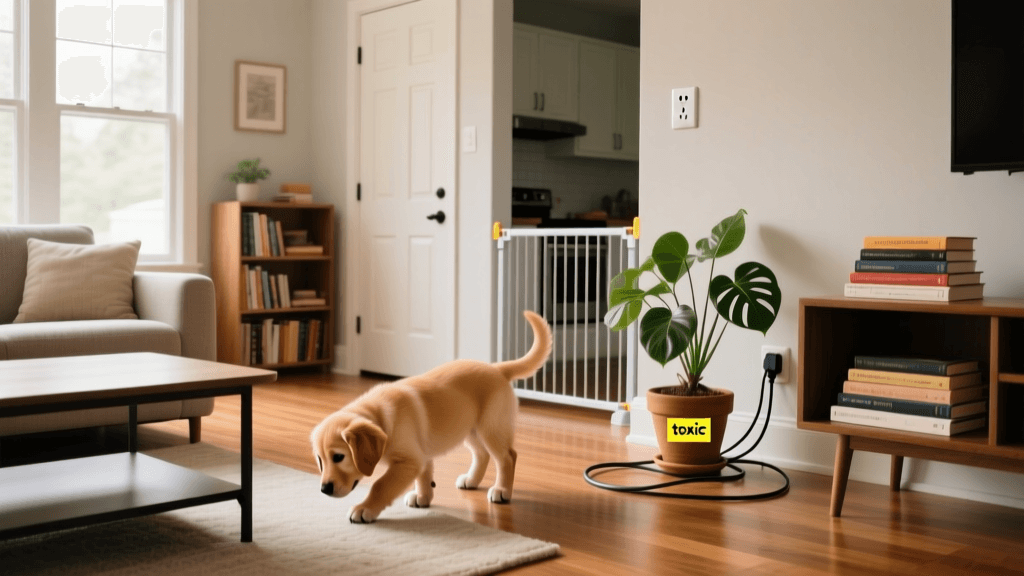
Modifying your home environment is crucial for a puppy with early-onset OA. Slippery surfaces like hardwood, tile, and laminate floors force puppies to splay their legs, placing immense torsional stress on developing hip and shoulder joints. In 2026, pet parents are investing heavily in interlocking foam mats and low-pile, non-slip area rugs to create "safe zones" for their puppies. Furthermore, restricting access to stairs and preventing puppies from jumping on and off high furniture can prevent acute micro-traumas that accelerate cartilage degradation. Providing an orthopedic puppy bed with memory foam support ensures that joints are not subjected to hard pressure points during the 18 hours a day a growing puppy sleeps.
Exercise Management: The 5-Minute Rule
Exercise is vital for muscle development, which in turn stabilizes loose joints. However, the type of exercise matters immensely. Forced running, agility training, and repetitive high-impact activities like fetching a frisbee on hard ground are strictly prohibited for puppies with joint vulnerabilities. Veterinarians universally recommend the "5-Minute Rule": five minutes of structured, leashed walking per month of age, up to twice a day. Therefore, a four-month-old puppy should engage in no more than 20 minutes of controlled walking per session. Swimming and underwater treadmill therapy are highly encouraged, as the buoyancy of the water allows for muscle building and cardiovascular health without placing concussive loads on the articular cartilage. The American Kennel Club (AKC) strongly advises working with a certified canine rehabilitation practitioner to design a customized, low-impact physical therapy regimen tailored to your puppy's specific orthopedic needs.
Long-Term Monitoring and Prognosis
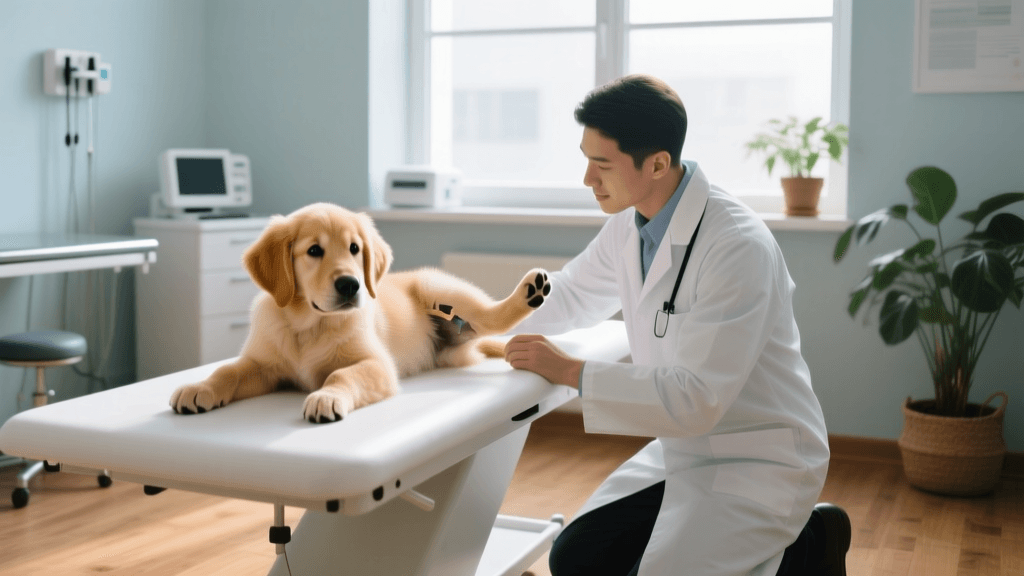
Managing early-onset osteoarthritis in puppies requires a multifaceted approach that blends genetic awareness, precise nutrition, advanced medical therapies, and environmental control. Regular veterinary check-ups every three to six months are essential to adjust pain management protocols as the puppy grows and their body weight changes. By leveraging the latest 2026 veterinary advancements and maintaining a proactive partnership with your veterinarian, you can significantly alter the trajectory of your puppy's joint health. Early intervention is the key to ensuring your puppy grows into an active, comfortable, and happy adult dog, proving that an OA diagnosis in puppyhood does not have to mean a lifetime of immobility.
aaron-whyte
All our authors care for dogs every day — read more of their work on the authors page.