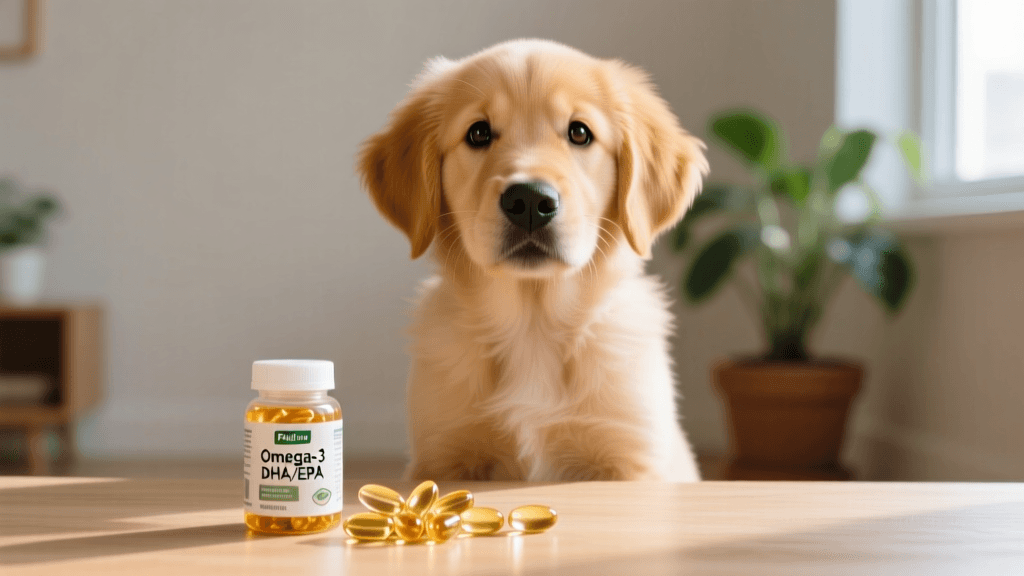
Best Omega-3 Puppy Supplements 2026: DHA Dosing Guide
Discover the best Omega-3 supplements for puppies in 2026. Learn how DHA and EPA support brain and joint development, plus exact dosing guidelines.
The Critical Role of Omega-3 in Puppy Development
The first twelve months of a puppy's life are marked by explosive growth, rapid cognitive development, and the foundational strengthening of joints and immune systems. As we navigate the canine nutritional landscape of 2026, veterinary nutritionists increasingly emphasize the non-negotiable role of Omega-3 fatty acids in early development. While a high-quality commercial puppy food provides a baseline of nutrients, the specific ratios of Omega-3s required for optimal brain and retinal development are often insufficient in standard kibble due to the oxidation that occurs during the extrusion process.
Supplementing your puppy's diet with targeted Omega-3s—specifically Docosahexaenoic acid (DHA) and Eicosapentaenoic acid (EPA)—can dramatically improve trainability, memory retention, and long-term joint health. According to extensive veterinary research, puppies supplemented with adequate DHA during their first year show significantly better problem-solving skills and socialization responses compared to those on a standard diet alone.
DHA vs. EPA: What Your Puppy Actually Needs
When shopping for supplements, you will see two primary Omega-3 fatty acids listed on the label. Understanding the difference is crucial for targeting your puppy's specific developmental needs:
- DHA (Docosahexaenoic Acid): This is the superstar for puppy brain and eye development. The central nervous system and retinas are composed largely of DHA. During the rapid brain growth phase between 8 weeks and 6 months of age, DHA acts as a structural building block for neural pathways, directly impacting how quickly your puppy learns basic obedience and house-training cues.
- EPA (Eicosapentaenoic Acid): EPA is primarily responsible for managing cellular inflammation. While puppies do not typically suffer from the joint degradation seen in senior dogs, large and giant breed puppies (like Great Danes or Golden Retrievers) experience intense growth spurts that can stress developing cartilage. EPA helps modulate the inflammatory response in growing joints and supports a robust immune system.
According to the VCA Animal Hospitals, the therapeutic benefits of Omega-3s are highly dose-dependent, and the source of the oil dictates its bioavailability and safety profile for growing dogs.
Top Omega-3 Sources for Puppies in 2026
The 2026 market offers highly refined, sustainably sourced Omega-3 supplements that eliminate the heavy metal risks associated with older, unrefined fish oils. Here are the top veterinarian-recommended formats for puppies:
1. Wild-Caught Salmon and Anchovy Liquid Oils
Liquid oils remain the gold standard for puppies because they allow for micro-dosing based on exact body weight, which changes weekly during growth spurts. Brands like Nordic Naturals Omega-3 Pet and Grizzly Salmon Plus utilize triglyceride-form oils, which are up to 70% more absorbable than the synthetic ethyl ester forms found in cheap alternatives. The pump mechanisms on the 2026 editions of these bottles have been upgraded to prevent air intake, drastically reducing the risk of oxidation.
2. Algal Oil (Vegan DHA)
For puppies with sensitive stomachs, fish protein allergies, or owners seeking sustainable, non-marine alternatives, algal oil has emerged as a premier choice in 2026. Algae is the original source of DHA in the marine food chain. Algal supplements provide pure, concentrated DHA without the fishy odor or the risk of ocean-borne contaminants. While generally more expensive per ounce, the high concentration means you use significantly less per dose.
3. Krill Oil Soft Chews
Krill oil contains Omega-3s bound to phospholipids, making them exceptionally easy for a puppy's developing digestive tract to absorb. Additionally, krill oil contains astaxanthin, a powerful antioxidant that naturally preserves the oil and provides extra cellular protection. However, soft chews often contain extra calories and binding agents, so they must be factored into your puppy's daily caloric limit to prevent excessive weight gain.
Exact Dosing Chart by Puppy Weight (2026 Guidelines)
Dosing Omega-3s for puppies requires careful calculation. Unlike adult dogs, puppies have a higher metabolic rate and specific developmental thresholds. The American Kennel Club notes that overdosing can lead to gastrointestinal distress or altered blood clotting, making precision vital. Below is a general guideline for combined DHA/EPA daily intake based on current 2026 veterinary nutritional standards.
| Puppy Weight (lbs) | Target DHA (mg/day) | Target EPA (mg/day) | Liquid Fish Oil Approx. (mL) |
|---|---|---|---|
| 5 - 10 lbs | 75 - 100 mg | 50 - 75 mg | 1.0 - 1.5 mL |
| 11 - 20 lbs | 120 - 150 mg | 80 - 100 mg | 1.5 - 2.5 mL |
| 21 - 35 lbs | 180 - 220 mg | 120 - 150 mg | 2.5 - 3.5 mL |
| 36 - 50 lbs | 250 - 300 mg | 160 - 200 mg | 3.5 - 5.0 mL |
| 50+ lbs (Large Breeds) | 350+ mg | 250+ mg | 5.0+ mL (Split Doses) |
Note: Always read the specific supplement's label, as concentrations of DHA and EPA vary wildly between brands. The mL measurements above assume a standard concentration of roughly 100mg combined Omega-3 per 1mL of oil.
How to Safely Introduce Fish Oil to a Puppy's Diet
Puppies have notoriously sensitive gastrointestinal tracts. Introducing a rich fat source like fish oil too quickly will almost certainly result in diarrhea or loose stools, which can quickly lead to dehydration in young dogs. Follow this step-by-step protocol:
- Week 1 (The Micro-Dose): Start with 25% of the recommended target dose. Mix it thoroughly into wet food or use it to lightly coat dry kibble. Monitor stool consistency daily.
- Week 2 (The Half-Dose): If stools remain firm, increase the dosage to 50% of the target amount.
- Week 3 (The Full Dose): Gradually scale up to the full recommended dose based on your puppy's current weight. Remember to recalculate as your puppy grows!
- Split Dosing for Large Breeds: If your puppy requires more than 4 mL of oil per day, split the dose between breakfast and dinner to prevent fat malabsorption and stomach upset.
Storage and Oxidation: Protecting the Oil
Omega-3 fatty acids are highly unstable and prone to oxidation when exposed to light, heat, and oxygen. Oxidized fish oil not only loses its cognitive and anti-inflammatory benefits, but it actually becomes pro-inflammatory and can cause cellular damage. In 2026, top-tier manufacturers use dark amber or opaque UV-blocking bottles, but proper home storage is equally critical.
- Refrigerate Immediately: Liquid fish oil must be kept in the refrigerator after opening. The cold temperature drastically slows the oxidation process.
- The Sniff Test: Fresh fish oil should smell mildly of the ocean or have no odor at all. If the oil smells sharply rancid, sour, or overwhelmingly "fishy," it has oxidized and must be discarded immediately. Never feed rancid oil to a developing puppy.
- Pump vs. Pour: Pump bottles are vastly superior to pour bottles because they prevent ambient air from entering the container every time you use it.
Frequently Asked Questions
Can I just give my puppy human fish oil capsules?
It is highly discouraged. Human fish oil supplements are often formulated with added Vitamin D or Vitamin A, which can reach toxic levels in a growing puppy's body and cause severe skeletal abnormalities. Furthermore, human capsules are often too large, posing a choking hazard, and the EPA/DHA ratios are optimized for adult human cardiovascular health, not canine neurological development.
When should I start giving my puppy Omega-3s?
You can safely introduce Omega-3 supplements as soon as your puppy is fully weaned and eating solid foods, typically around 6 to 8 weeks of age. Early introduction ensures the brain receives a steady supply of DHA during its most plastic and receptive developmental window.
Does my puppy need Omega-3s if they eat premium puppy food?
Most likely, yes. While premium 2026 puppy diets often list "fish oil" or "Omega-3s" in their ingredients, the high-heat cooking process of kibble manufacturing degrades a significant portion of these delicate fatty acids. Supplementing with a fresh, cold-pressed liquid oil ensures your puppy receives the active, bioavailable nutrients required for peak cognitive function.
hannah-wickes
All our authors care for dogs every day — read more of their work on the authors page.