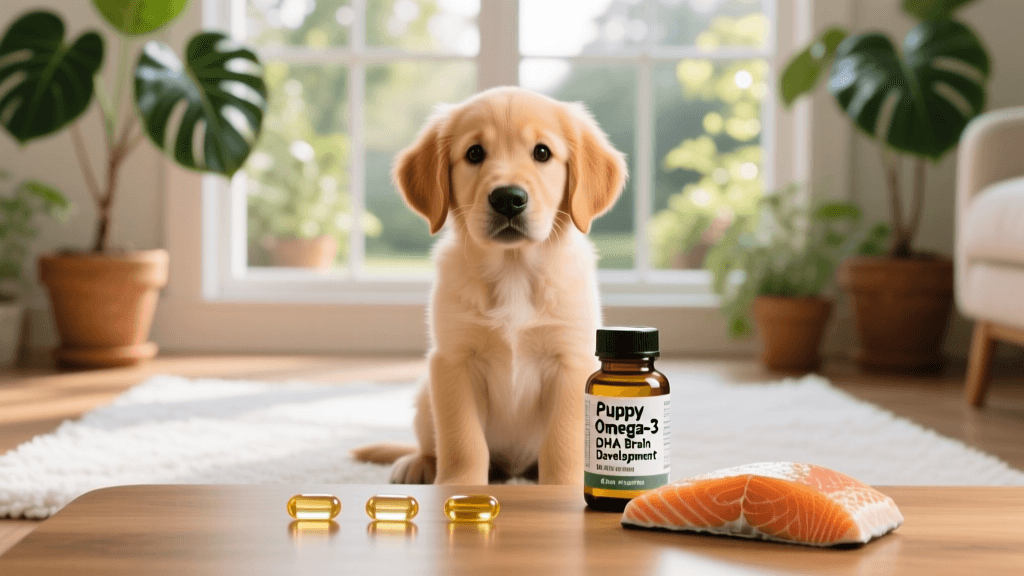
Omega-3 For Puppies In 2026: Top DHA Supplements & Dosage Guide
Discover the best Omega-3 DHA supplements for puppies in 2026. Learn exact dosages, brain development benefits, and top fish oil picks for your growing pup.
The Critical Role of Omega-3 in Puppy Brain Development
Welcoming a new puppy into your home is one of life's greatest joys, but it also comes with a profound responsibility to fuel their rapid growth. As we navigate the pet nutrition landscape in 2026, veterinary science has heavily emphasized the non-negotiable role of Omega-3 fatty acids during a dog's first twelve months. Unlike adult dogs, puppies are undergoing explosive neurological, retinal, and skeletal development. During this critical window, Omega-3s act as the foundational building blocks for cellular membranes, particularly in the brain and eyes.
While many commercial puppy foods claim to be 'complete and balanced,' the processing methods used in traditional kibble can often degrade delicate fatty acids. This is why leading veterinary nutritionists in 2026 increasingly recommend targeted Omega-3 supplementation to ensure your puppy reaches their full cognitive and physical potential. According to the Tufts Cummings Veterinary Medical Center, fatty acids are vital for managing cellular inflammation and supporting long-term joint and skin health, making them an essential component of any proactive puppy care regimen.
DHA vs. EPA: What Your Puppy Actually Needs
When shopping for supplements, you will frequently see two main types of Omega-3s listed on the label: DHA (docosahexaenoic acid) and EPA (eicosapentaenoic acid). Understanding the difference is crucial for puppy care.
- DHA (The Brain Builder): DHA is a primary structural component of the mammalian brain and retina. For puppies under six months of age, DHA is the undisputed superstar. It enhances trainability, improves memory retention during early socialization, and ensures proper visual acuity.
- EPA (The Inflammation Modulator): EPA is primarily responsible for managing systemic inflammation. While puppies need less EPA than DHA initially, it becomes increasingly important as they hit their rapid growth spurts between four and eight months, helping to soothe teething gums and support developing joints.
In 2026, the gold standard for puppy supplementation is a ratio that favors DHA during the first six months, gradually shifting to a balanced DHA/EPA ratio as the puppy approaches their first birthday.
Developmental Milestones and Omega-3 Timing
8 to 12 Weeks: The Cognitive Sponge Phase
During the first month in your home, your puppy's brain is forming millions of new neural pathways. This is the prime time for potty training, basic commands, and socialization. Adequate DHA levels ensure that the myelin sheath—the protective coating around nerves—develops correctly, allowing for faster learning and reduced fear-based reactivity.
3 to 6 Months: Teething and Joint Support
As baby teeth fall out and adult teeth emerge, puppies experience significant oral inflammation. Furthermore, their long bones are growing at an astonishing rate. EPA steps in during this phase to naturally modulate inflammatory responses, keeping your puppy comfortable and active. Omega-3s also lubricate developing joints, which is especially critical for large and giant breeds prone to hip dysplasia.
6 to 12 Months: Coat, Skin, and Immune Defense
As your puppy transitions into adolescence, their immune system matures and their adult coat begins to replace the soft puppy fuzz. Omega-3s fortify the skin's lipid barrier, locking in moisture and keeping environmental allergens out. The American Kennel Club (AKC) notes that consistent Omega-3 supplementation is one of the most effective ways to achieve a glossy, healthy coat and reduce excessive shedding in adult dogs.
2026 Puppy Omega-3 Dosage Chart
Dosing Omega-3s for puppies requires precision. Too little will yield no developmental benefits, while too much can lead to gastrointestinal upset or caloric surplus. Below is the general veterinary consensus for daily DHA and EPA targets based on your puppy's current weight. Always consult your veterinarian before starting a new supplement protocol.
| Puppy Weight (lbs) | Daily DHA Target (mg) | Daily EPA Target (mg) | Estimated Fish Oil Volume |
|---|---|---|---|
| 5 - 10 | 100 - 150 | 50 - 75 | 1/2 Pump / 1/4 tsp |
| 11 - 20 | 150 - 250 | 75 - 125 | 1 Pump / 1/2 tsp |
| 21 - 40 | 250 - 400 | 125 - 200 | 2 Pumps / 1 tsp |
| 41 - 60 | 400 - 600 | 200 - 300 | 3 Pumps / 1.5 tsp |
| 60+ | 600 - 800 | 300 - 400 | 4 Pumps / 2 tsp |
Top Omega-3 Supplements for Puppies in 2026
The supplement market has evolved significantly, with a strong 2026 focus on sustainability, heavy-metal testing, and bioavailability. Here are the top three veterinarian-recommended Omega-3 sources for puppies this year.
1. Nordic Naturals Omega-3 Pet (Liquid)
Nordic Naturals remains a top-tier choice due to their use of the triglyceride form of fish oil, which is up to 70% more absorbable than the synthetic ethyl ester forms found in cheaper brands. Their pet-specific liquid is derived from wild anchovies and sardines, which are low on the food chain and naturally low in mercury. The pump bottle makes it incredibly easy to measure exact dosages for growing puppies, and the subtle lemon flavor masks the fishy odor that often deters picky eaters.
2. Zesty Paws Omega-3 Alaskan Fish Oil Chewables
For puppies who are already treat-motivated and have a full set of adult teeth (typically around 6 months), Zesty Paws offers a fantastic chewable option. In 2026, their updated formula includes added biotin and vitamin E, which works synergistically with Omega-3s to support skin health. These chews are an excellent alternative to liquids if you find that fish oil makes your puppy's stool too soft.
3. Grizzly Salmon Plus Wild Salmon Oil
Grizzly has set the standard for sustainable harvesting in 2026. Their Salmon Plus formula combines wild Alaskan salmon with pollock, providing a robust profile of both DHA and EPA. It is processed in facilities that adhere to strict human-grade safety standards, ensuring zero oxidation. The convenient dispenser bottle prevents the mess and waste associated with traditional squeeze bottles.
Algae-Based vs. Fish-Based Omega-3s
A major trend in 2026 puppy care is the rise of marine algae-based Omega-3 supplements. Algae is the original source of DHA and EPA in the marine food web; fish simply accumulate it by eating algae. Algae oil is 100% plant-based, entirely free from ocean-borne contaminants like microplastics, and highly sustainable. If your puppy has a rare fish protein allergy or you prefer an eco-friendly footprint, an algae-based DHA supplement is a highly effective, modern alternative to traditional fish oil.
How to Safely Introduce Fish Oil to Your Puppy
Puppies have notoriously sensitive digestive tracts. Introducing a pure fat supplement too quickly is a recipe for diarrhea and stomach cramping. Follow this stepped introduction protocol:
- Days 1 to 3: Administer 25% of the target daily dose. Mix it thoroughly into wet food or use it to coat a small portion of kibble.
- Days 4 to 6: Increase to 50% of the target dose. Monitor your puppy's stool consistency. If it becomes loose, maintain the 50% dose for a few more days before advancing.
- Days 7 to 10: Increase to 75% of the target dose.
- Day 11 Onward: Reach the full target dose as outlined in the chart above.
Pro-Tip for 2026: Always store liquid fish oil in the refrigerator after opening. Heat, light, and oxygen cause fish oil to oxidize and turn rancid. Rancid oil not only loses its nutritional value but can actually promote cellular damage and cause severe gastrointestinal distress.
Risks of Over-Supplementation
More is not always better. While Omega-3s are incredibly beneficial, megadosing can lead to several health issues in growing puppies. First, fish oil is calorically dense. Adding too much can push your puppy into a caloric surplus, leading to rapid weight gain. Excess weight puts undue stress on developing growth plates, increasing the risk of orthopedic conditions. Second, extremely high doses of EPA can alter blood clotting mechanisms, which is a concern if your puppy requires surgery or suffers an injury. Finally, high intakes of polyunsaturated fats increase the body's requirement for Vitamin E; therefore, ensure your puppy's base diet or the supplement itself includes adequate Vitamin E to prevent a deficiency.
Conclusion
Investing in a high-quality Omega-3 supplement is one of the most impactful decisions you can make during your puppy's first year. By prioritizing DHA for early brain development and EPA for joint and immune support, you are setting the stage for a vibrant, trainable, and healthy adult dog. Always choose third-party tested, sustainably sourced products, and tailor your dosage to your puppy's specific growth curve to maximize the benefits of this essential fatty acid.
aaron-whyte
All our authors care for dogs every day — read more of their work on the authors page.