Puppy Foundation Agility Training Guide For 2026 Competitions
Discover safe, vet-approved puppy agility foundation training for 2026. Build body awareness and focus without risking growth plates in your first year.
Welcome to the 2026 Puppy Sports Pipeline
The first year of your puppy's life is a magical window of rapid physical and cognitive development. For owners who dream of running their dogs through the AKC Agility ring, obedience trials, or fast-paced rally courses, the temptation to start jumping and weaving early is immense. However, the 2026 veterinary and canine sports consensus is clear: the first twelve months must be dedicated entirely to foundation skills, body awareness, and environmental socialization. True canine athletes are not built on the equipment; they are built on the flat, in the living room, and on the grass long before they ever see a trial ground.
In this comprehensive guide, we will explore how to safely prepare your puppy for a lifetime of dog sports while respecting critical first-year milestones like teething, potty training, and growth plate development. By focusing on these core pillars, you will create a confident, resilient, and enthusiastic competition partner.
The Golden Rule: Protecting Growth Plates
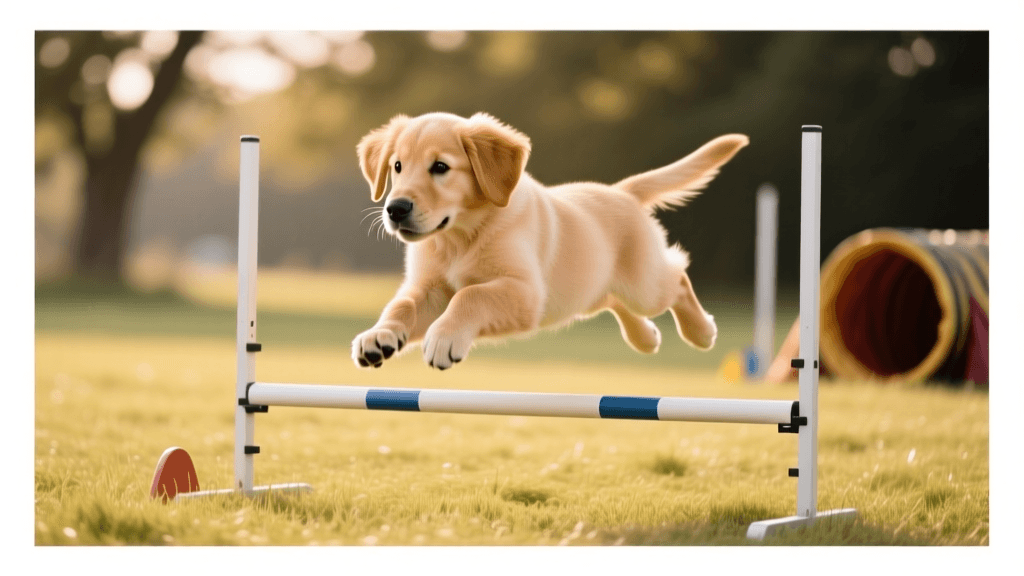
Before you even think about introducing a jump bar or a teeter-totter, you must understand the biology of your growing puppy. Puppies have open growth plates at the ends of their long bones. These cartilage areas are soft and vulnerable to injury. Repetitive impact from jumping or the sharp turns required in agility can cause micro-fractures, leading to permanent orthopedic issues like hip dysplasia or osteoarthritis.
According to the strict age regulations outlined by the Fédération Cynologique Internationale (FCI) agility guidelines, dogs are generally prohibited from competing in official agility classes until they are at least 18 months old, ensuring their growth plates have fully ossified. For the entirety of your puppy's first year, all four paws must remain on the ground. Your focus must be on flatwork, handling mechanics, and proprioception.
Core Foundation Skills (0-12 Months)
Proprioception and Body Awareness
Proprioception is the dog's ability to know where their body parts are in space. A puppy who understands how to control their rear end will eventually navigate weave poles and tight jump wraps with precision and safety. You can build this without specialized agility equipment using household items and foundational tools.
- Paw Targets: Teach your puppy to place their front paws on a raised disc or a sturdy book, and then reward them for moving their hind legs in a circle around the object. This builds hind-end awareness.
- Ladder Work: Lay a wooden ladder flat on the grass. Lure your puppy to walk slowly through the rungs. This forces them to pick their feet up deliberately and look down, coordinating their front and back halves.
- Surface Variety: Have your puppy walk on bubble wrap, tarps, wet grass, and gravel. This builds confidence in unstable or unusual footing, a vital skill for outdoor 2026 trial venues.
Teething and Drive Building
Between 12 and 24 weeks, your puppy will go through a major teething phase. This is a critical time for building "drive"—the motivation to work and play with you. Many puppies lose interest in tug games during teething because their gums are sore. To maintain their toy drive for future competition rewards, adapt your play.
Switch from hard rubber toys to long, braided fleece tugs that are gentle on the mouth. You can also soak a fleece tug in low-sodium chicken broth and freeze it; the cold numbs sore gums while encouraging the puppy to bite and pull. Keep tug sessions under 30 seconds to prevent overexertion and jaw fatigue. A puppy who learns that playing with their handler is the most rewarding game in the world will eventually carry that focus past the distractions of a busy trial environment.
Trial-Specific Potty Training Protocols
Potty training is a fundamental first-year milestone, but sports puppies require a specialized approach. At a dog sport trial, your puppy will need to relieve themselves on a wide variety of surfaces, often while on a leash in designated, high-traffic areas. If your puppy is only potty trained on your home lawn, they will struggle at a competition.
During your first year, actively generalize your potty command (e.g., "Go Potty") across multiple surfaces: woodchips, gravel, concrete, artificial turf, and tall grass. Always bring a familiar "potty mat" or a small patch of synthetic turf to trials to give them a reliable cue. Furthermore, enforce strict crate training protocols. The crate must be a sanctuary where the puppy sleeps and settles, ensuring they do not soil their sleeping area while you are out walking the course.
2026 Puppy Foundation Gear Guide
Investing in the right foundation gear will accelerate your training without risking your puppy's physical health. Below is a comparison of top-tier foundation tools recommended by sports handlers in 2026.
| Gear Item | Best 2026 Model/Type | Primary Purpose | Estimated Price Range |
|---|---|---|---|
| Treat Delivery System | TreatPod Pro 2026 Edition | Rapid reward delivery for flatwork and engagement games. | $35 - $45 |
| Target Disc | Silicone Paw-Target (Non-Slip) | Teaching front-paw placement and hind-end pivots. | $15 - $25 |
| Tug Toy | Fleece Bungee Tug (Long Handle) | Drive building and teething relief without neck strain. | $20 - $30 |
| Crate | Impact Collapsible Travel Crate | Safe confinement, trial settling, and potty management. | $250 - $350 |
Socializing for the Trial Environment
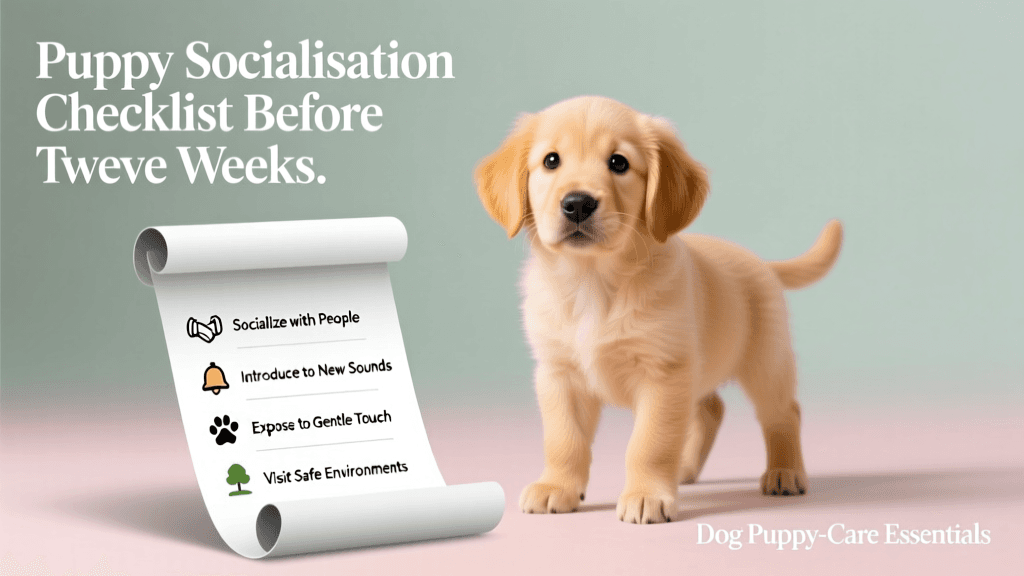
Dog sports trials are incredibly stimulating environments. There are barking dogs, cheering crowds, PA systems, and flapping tents. A puppy who is not properly socialized to these stimuli will be too overwhelmed to perform. The American Kennel Club's guide to socializing puppies emphasizes that early, positive exposure to novel environments is the cornerstone of a well-adjusted adult dog.
For the sports puppy, socialization means more than just meeting people. It means sitting on a mat at a local hardware store while a forklift drives by. It means practicing basic obedience near a children's playground. It means visiting outdoor sporting events and rewarding your puppy heavily for maintaining eye contact with you despite the chaos. Your goal in the first year is not to force interaction with everything, but to teach your puppy how to remain neutral and focused on you in the presence of extreme distraction.
Sample 10-Minute Daily Foundation Plan
Puppies have incredibly short attention spans. Training sessions during the first year should never exceed 5 to 10 minutes. Here is a highly effective, vet-approved daily routine that balances physical safety with mental stimulation:
- Minutes 1-2 (Engagement): Play a gentle game of tug with a frozen fleece toy to build drive and relieve teething discomfort.
- Minutes 3-5 (Proprioception): Practice hind-end pivots using the front-paw target disc. Reward heavily for rear-foot movement.
- Minutes 6-8 (Focus & Handling): Practice recall to the side ("heel" position) and basic sends to a target mat on the floor. No jumps.
- Minutes 9-10 (Settle): Transition to the crate or a designated settling mat. Reward calm, quiet behavior to simulate the downtime required between runs at a trial.
Moving Forward to Novice Classes
As your puppy crosses the 12-month mark and approaches the 18-month milestone required for official competition, your veterinarian will likely take x-rays to confirm that the growth plates have closed. Once you receive medical clearance, you can slowly introduce low, wingless jumps and full-height weave pole entries. Because you spent the first year building a robust foundation of body awareness, drive, and environmental neutrality, your dog will approach the equipment with confidence, speed, and safety. The patience you exercise during your puppy's first year will pay dividends in the ring for the rest of their athletic career.
aaron-whyte
All our authors care for dogs every day — read more of their work on the authors page.