Force-Free Puppy Bite Inhibition & Teething Strategies 2026
Discover force-free puppy bite inhibition and teething strategies for 2026. Learn positive reinforcement redirection, top enrichment toys, and expert tips.
Understanding the Puppy Land Shark Phase
Bringing home a new puppy in 2026 is an incredibly exciting milestone, but it often comes with a sharp, unexpected reality: the dreaded land shark phase. Between the ages of three and six months, puppies explore their environment primarily through their mouths. Combined with the discomfort of teething and a natural instinct to play-bite, this developmental stage can leave new owners feeling frustrated and overwhelmed. However, modern veterinary behavioral science has definitively moved away from punitive, dominance-based training methods. Today, force-free and positive reinforcement methodologies are the undisputed gold standard for raising a well-adjusted, confident, and gentle adult dog.
According to the American Veterinary Society of Animal Behavior (AVSAB), the use of aversive training techniques—such as muzzle grabbing, alpha rolls, or physical reprimands—can increase fear, anxiety, and aggression in puppies. Instead, force-free bite inhibition focuses on teaching the puppy how to control the pressure of their jaw and redirecting their natural chewing instincts onto appropriate, enriching outlets. This comprehensive guide will walk you through the most effective, science-backed positive reinforcement strategies for navigating puppy mouthing and teething in 2026.
The Science of Teething and Mouthing
Before implementing a training protocol, it is vital to understand the biological drivers behind your puppy's behavior. Puppies are born without teeth. Their deciduous (baby) teeth begin to erupt around three to six weeks of age. By the time they reach 12 to 16 weeks, the teething process intensifies as their adult teeth begin to push through the gums. This transition causes significant inflammation, soreness, and an intense urge to chew to relieve the pressure.
Mouthing, however, is not solely about teething. It is also a primary mode of canine communication and play. Littermates teach each other bite inhibition; if one puppy bites too hard, the other yelps and stops playing. As an owner, your goal is to replicate this natural feedback loop using humane, force-free methods. The ASPCA emphasizes that teaching a dog to have a soft mouth is one of the most critical safety lessons they will learn in their first year, as it ensures that even if the dog reacts reflexively in the future, they will not break human skin.
Step-by-Step Force-Free Bite Inhibition
Step 1: The Reverse Time-Out (Negative Punishment)
In operant conditioning, negative punishment involves removing something the dog values to decrease an unwanted behavior. For a puppy, the most valuable resource is your attention. When your puppy's teeth make contact with your skin, immediately let out a calm, neutral marker word like Oops, stand up, fold your arms, and completely ignore the puppy for 10 to 15 seconds. Do not yell, do not push the puppy away (which they may interpret as play wrestling), and do not grab their muzzle. If the puppy continues to nip at your ankles or clothing, calmly step over a baby gate or leave the room for a brief 30-second reset. This teaches the puppy a clear, force-free cause and effect: teeth on skin makes the fun stop.
Step 2: Strategic Redirection
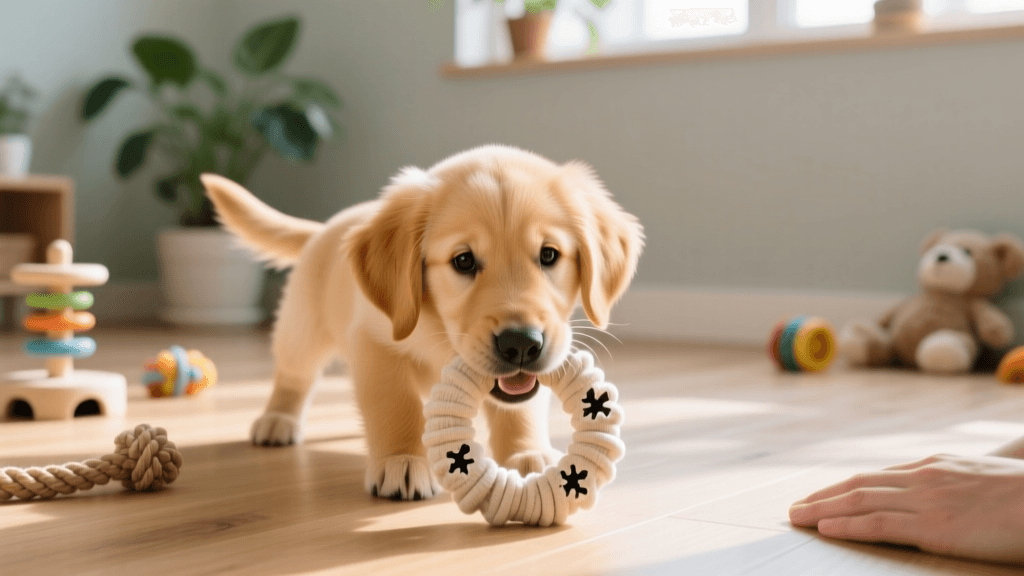
Puppies need to chew; it is a biological imperative. The goal is not to stop chewing, but to dictate what is acceptable to chew. Always have a high-value teething toy within arm's reach during play sessions. When the puppy makes a mistake and mouths your hand, initiate the reverse time-out. Once the puppy has disengaged and all four paws are on the floor, present the appropriate chew toy. When the puppy bites the toy, immediately praise them with a cheerful Yes! and engage in interactive play. This positive reinforcement builds a strong neural association: chewing toys yields attention and fun, while chewing skin yields boredom.
Step 3: Capturing and Rewarding the Soft Mouth
As your puppy begins to understand that hard bites end play, you will notice them offering softer, inhibited mouthing. It is crucial to reward this behavior. If the puppy licks you or places their mouth on your hand with zero pressure, mark the behavior with a clicker or a marker word and deliver a high-value treat, such as single-ingredient freeze-dried liver or boiled chicken. By capturing and rewarding the soft mouth, you actively shape the precise behavior you want to see.
2026 Teething Toy Comparison & Enrichment Guide
Providing the right tools is half the battle in force-free puppy training. Modern enrichment toys available in 2026 are designed to satisfy a puppy's natural foraging and chewing instincts while providing soothing relief for inflamed gums. Below is a comparison of the top force-friendly teething and enrichment tools recommended by certified canine behavior consultants this year.
| Toy / Enrichment Item | Best For | Material Safety | 2026 Avg Price |
|---|---|---|---|
| West Paw Toppl | Stuffing, freezing, and interactive chewing | Zogoflex (Non-toxic, durable) | $24 - $28 |
| KONG Classic Puppy | Gentle teething relief and treat dispensing | Puppy-specific soft rubber | $15 - $20 |
| Snuffle Mat | Scent work, foraging, and mental fatigue | Fleece (Supervision required) | $20 - $35 |
| lickiMat Soother | Calming anxiety and slow-feeding purees | Food-grade TPR rubber | $12 - $18 |
| Chilly Dog | Freezable plush toys for gum numbing | Cotton and non-toxic gel core | $14 - $18 |
Pro-Tip for 2026: Rotate your puppy's toys every 48 hours. A puppy will quickly become habituated to a toy that is always left on the floor. By keeping a rotation of frozen KONGs and Toppls in the freezer, you maintain a high level of novelty and value, making the toy much more reinforcing than your hands or furniture.
Managing the Witching Hour and Overtired Biting
One of the most common mistakes new owners make is assuming that a nippy, hyperactive puppy needs more exercise. In reality, puppies require between 16 and 18 hours of sleep per day. When a puppy becomes overtired, they lose their ability to regulate their impulses, resulting in frantic, painful biting often referred to as the witching hour.
The Humane Society advocates for structured routines that include enforced naps. If your puppy has been awake for more than 90 minutes and begins exhibiting land shark behavior, they are likely exhausted. Force-free management dictates that you calmly leash the puppy or lure them with a treat into their crate or a quiet exercise pen with a frozen chew toy. Allow them to decompress and fall asleep. You will consistently find that the biting behavior magically disappears after a two-hour nap.
Dietary Soothers and Frozen Treats
In addition to commercial rubber toys, you can utilize your puppy's daily food ration to create soothing, force-free teething remedies. Avoid hard bones, antlers, or synthetic nylon chews, as these can easily fracture a puppy's developing teeth. Instead, opt for the following gum-soothing alternatives:
- Bone Broth Ice Cubes: Freeze low-sodium, onion-free bone broth in silicone molds. These are excellent for hydration and numbing sore gums.
- Frozen Carrots: Large, whole carrots (peeled and frozen) provide a satisfying crunch and gentle resistance that massages the gums without the risk of splintering.
- Yogurt and Pumpkin LickiMats: Spread plain, xylitol-free Greek yogurt mixed with pure pumpkin puree onto a lickiMat and freeze it. Licking releases endorphins in the canine brain, naturally calming the nervous system during stressful teething periods.
When to Seek Professional Force-Free Help
While mouthing is a normal developmental stage, true aggression is not. If your puppy exhibits stiff body language, hard staring, resource guarding of food or toys, or bites that break the skin without any preceding play behavior, it is time to consult a certified professional. Look for trainers who hold credentials from organizations like the Certification Council for Professional Dog Trainers (CCPDT) or the International Association of Animal Behavior Consultants (IAABC), ensuring they adhere strictly to force-free, least intrusive, minimally aversive (LIMA) protocols.
Conclusion
Surviving the puppy teething and bite inhibition phase requires patience, consistency, and a commitment to humane training methods. By utilizing reverse time-outs, strategic redirection, and modern enrichment tools, you can guide your puppy through this challenging developmental window without damaging the trust between you. Remember, every positive interaction in 2026 is an investment in a gentle, confident, and well-mannered adult dog for the rest of their life.
marcus-aldridge
All our authors care for dogs every day — read more of their work on the authors page.