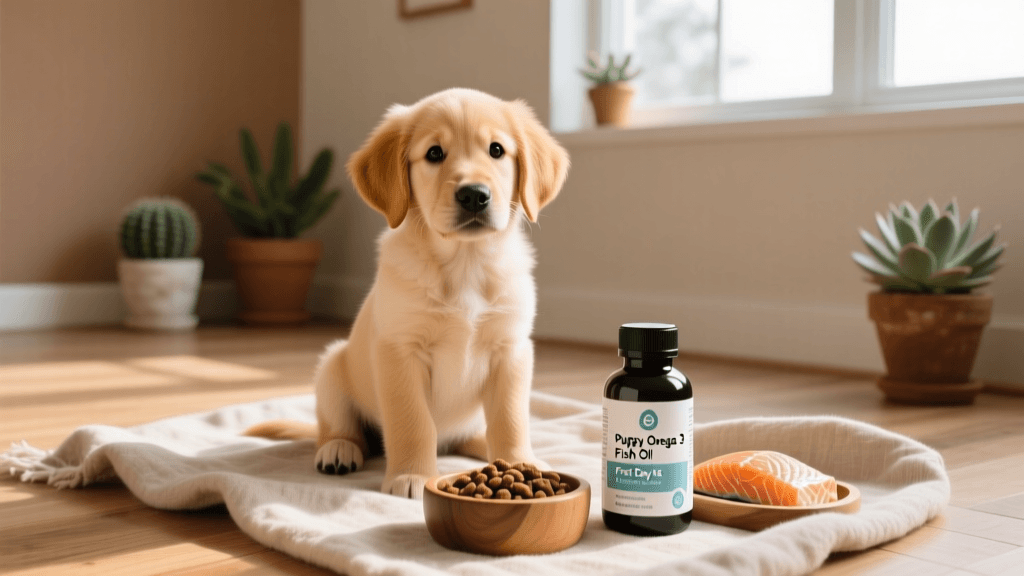
Best Omega-3 Supplements for New Puppies: 2026 First-Day Guide
Discover why Omega-3 is a must-have first-day essential for your new puppy in 2026. Learn dosage, top picks, and how it aids brain and joint development.
Welcome Home: The 2026 Puppy First-Day Kit
Bringing a new puppy home is a monumental occasion filled with excitement, new toys, and endless cuddles. However, as we navigate modern pet care in 2026, the focus for responsible dog owners has shifted from merely surviving the first week to proactively optimizing your puppy's development from the very first hour. While most first-day checklists include essentials like a properly sized crate, enzymatic cleaners, and high-quality kibble, one crucial element is frequently overlooked until the first veterinary wellness exam: Omega-3 fatty acid supplementation.
The transition from the familiar environment of a litter to a brand-new home is a massive physiological and psychological shock for a young dog. During this critical window, setting a foundation for cognitive development, joint health, and immune resilience is paramount. Incorporating a high-quality Omega-3 supplement into your puppy's first-day meal kit is no longer just a holistic trend; it is a science-backed strategy recommended by top veterinary nutritionists to ensure your new companion thrives during their most vulnerable developmental stages.
Why Omega-3 is a Non-Negotiable First-Day Essential
When a puppy leaves its mother and siblings, its cortisol (stress hormone) levels naturally spike. This acute stress can manifest as gastrointestinal upset, lethargy, or a temporary suppression of the immune system. Omega-3 fatty acids, specifically Eicosapentaenoic Acid (EPA) and Docosahexaenoic Acid (DHA), play a vital role in modulating the body's inflammatory response and supporting cellular health during periods of high stress.
Unlike Omega-6 fatty acids, which are abundant in most commercial puppy diets and tend to promote inflammation when unbalanced, Omega-3s act as natural anti-inflammatories. By introducing a bioavailable source of Omega-3 on day one, you are actively helping your puppy's body manage the physical stress of travel, environmental changes, and dietary transitions. Furthermore, early intervention with Omega-3s supports the rapid cellular division occurring in a growing puppy's body, ensuring that their skin barrier remains intact against new environmental allergens found in your home.
The Science of DHA for Cognitive and Retinal Development
The most compelling reason to prioritize Omega-3 on your puppy's first day is the profound impact of DHA on neurological development. According to experts at Tufts University Clinical Nutrition, DHA is a primary structural component of the mammalian brain and retina. During the first few months of life, a puppy's brain is essentially a sponge, rapidly forming neural pathways that will dictate their trainability, focus, and temperament for the rest of their life.
Studies consistently show that puppies fed diets rich in DHA exhibit significantly better performance in problem-solving tasks and obedience training compared to those with DHA-deficient diets. Because many commercial dry puppy foods lose a significant portion of their natural fatty acids during the high-heat extrusion process, supplementing with a fresh, liquid, or cold-pressed Omega-3 source ensures your puppy receives the exact neurological building blocks they need during this critical learning phase.
Choosing the Right Omega-3 Source for Your Puppy
Not all Omega-3 supplements are created equal, and selecting the wrong type can lead to poor absorption or gastrointestinal distress—an issue you absolutely want to avoid on your puppy's first night. When shopping for your first-day kit, you will generally encounter three main sources of marine-based Omega-3s. Understanding the differences is key to making an informed decision for your new dog.
| Omega-3 Source | EPA/DHA Profile | Bioavailability | Best Suited For |
|---|---|---|---|
| Wild Alaskan Salmon Oil | Balanced EPA & DHA | High (Triglyceride form) | Overall health, coat support, and general first-day wellness. |
| Green-Lipped Mussel Oil | Rich in EPA & ETA | Very High | Large breed puppies prone to rapid joint growth and inflammation. |
| Algae Oil (Vegan) | Extremely High DHA | Moderate to High | Puppies with sensitive stomachs or specific fish protein allergies. |
| Krill Oil | Lower EPA/DHA, High Astaxanthin | High (Phospholipid form) | Cellular antioxidant support, though often lower in total DHA. |
For the vast majority of new puppies, a high-quality Wild Alaskan Salmon Oil or a dedicated puppy-formulated fish oil is the gold standard. As noted by the American Kennel Club, fish oil derived from small, cold-water fish or wild salmon provides the most efficient delivery of DHA directly to a puppy's developing nervous system without the heavy metal risks associated with larger, longer-living fish species.
Top Omega-3 Puppy Supplements for 2026
The supplement market has evolved significantly, with 2026 formulations focusing on purity, sustainable sourcing, and oxidation prevention (which causes the oil to go rancid). Here are the top-tier Omega-3 products to include in your puppy's first-day welcome kit:
- Nordic Naturals Omega-3 Pet (Liquid): This remains a top veterinary recommendation due to its strict third-party testing for heavy metals and toxins. It comes in a pump bottle that makes it incredibly easy to dispense a precise, small dose over your puppy's first meal. The triglyceride form ensures maximum absorption for growing tissues.
- Grizzly Salmon Plus All-Natural Dog Supplement: Sourced from wild-caught Alaskan salmon, this liquid oil provides a robust profile of over 15 different Omega fatty acids. It is an excellent choice for puppies transitioning to a new home, as the rich, natural flavor acts as a powerful food topper, encouraging picky or stressed puppies to eat their first dinner in a new environment.
- Wholistic Pet Organics Wild Alaskan Salmon Oil: For owners who prefer organic and holistic certifications, this cold-pressed option retains vital enzymes and antioxidants. It is particularly beneficial for puppies with early signs of dry skin or dull coats resulting from the stress of weaning and relocation.
First-Day Administration: Dosage and Tummy-Safe Tips
The most common mistake new owners make is introducing a full dose of fish oil on the very first day. While Omega-3s are incredibly beneficial, they are still dietary fats. A sudden influx of fat can overwhelm a puppy's immature digestive system, leading to loose stools or diarrhea—a messy and stressful situation for a dog that is still learning where to potty in their new home.
To safely integrate Omega-3 into your puppy's first-day routine, follow these actionable steps:
- Start with a Quarter Dose: Check the manufacturer's weight-based dosing chart. For your puppy's first three days, administer only 25% of the recommended daily dose. This allows their gallbladder and pancreas to adjust to the new fat content.
- Mix Thoroughly with Wet Food or Warm Water: If you are feeding dry kibble, add a splash of warm water to create a gravy, then pump the liquid Omega-3 into the mixture. This ensures the oil coats the food evenly and prevents your puppy from licking the oil off the top and leaving the kibble behind.
- Store Properly to Prevent Oxidation: Liquid Omega-3s are highly susceptible to oxidation when exposed to heat, light, and air. Always store your puppy's fish oil in the refrigerator immediately after opening. Rancid oil not only loses its nutritional value but can cause severe gastrointestinal upset and cellular damage.
- Monitor Stool Quality: Keep a close eye on your puppy's bowel movements for the first 48 hours. If stools become soft, reduce the Omega-3 dose further and introduce a canine-specific probiotic to help stabilize the gut microbiome.
Pairing Omega-3 with Other First-Day Essentials
While Omega-3 is a powerhouse supplement, it works best when synergized with other first-day essentials. In 2026, veterinary behaviorists and nutritionists frequently recommend pairing Omega-3s with a high-quality canine probiotic and an L-theanine calming supplement. The probiotic ensures that the gut microbiome is robust enough to properly absorb the fatty acids, while L-theanine helps mitigate the neurological stress of the move. Together, this triad of supplements creates a comprehensive 'transition shield' that protects your puppy's physical and mental well-being.
Additionally, ensure that your puppy's primary diet is compliant with the nutritional standards set forth by the World Small Animal Veterinary Association (WSAVA). Omega-3 supplements are meant to bridge nutritional gaps, not replace a complete and balanced foundational diet. By verifying that your chosen puppy food meets rigorous global guidelines, you can confidently use Omega-3 as an targeted enhancement rather than a necessary crutch.
Conclusion: Setting the Stage for a Lifetime of Health
The decisions you make in the first 24 hours of bringing your puppy home can echo throughout their entire life. By elevating your first-day preparation kit to include a premium, bioavailable Omega-3 supplement, you are doing far more than just giving your new dog a shiny coat. You are actively investing in their cognitive sharpness, cushioning their joints against the rapid growth spurts to come, and providing their immune system with the anti-inflammatory support needed to conquer the stress of relocation. As you fill your cart with leashes, beds, and training treats this year, make sure a bottle of high-quality puppy Omega-3 is at the very top of your list. Your new best friend's developing brain and body will thank you for it.
aaron-whyte
All our authors care for dogs every day — read more of their work on the authors page.