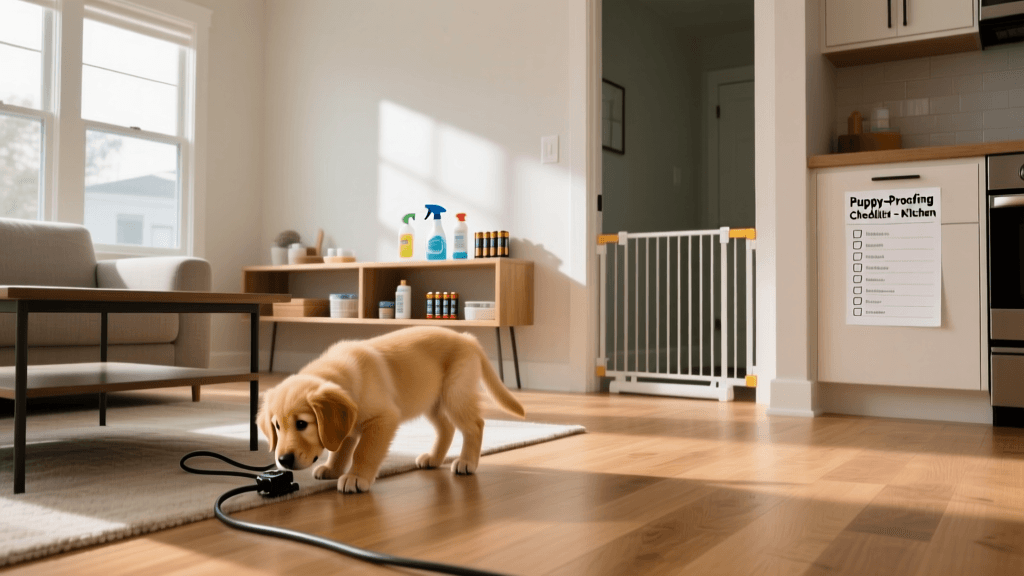
Puppy Health and Nutrition Guide for the First Month
Discover essential health and nutrition strategies for your new puppy's first month. Learn about diet transitions, vet costs, and preventative care.

Establishing the Health Baseline Before Day One
Bringing a new puppy home is one of the most rewarding experiences in life, but the first 30 days are a critical window for establishing lifelong health and nutritional baselines. The transition from a breeder or shelter environment to your home induces significant physiological stress, which can temporarily suppress a puppy's immune system and disrupt their gastrointestinal microbiome. As a responsible new owner, your immediate focus must be on mitigating this stress through precise nutritional management and proactive veterinary care.
Before you even sign the adoption or purchase papers, request a comprehensive medical dossier. This should include exact dates and types of deworming medications administered (such as pyrantel pamoate or fenbendazole), the specific brand and formulation of their current diet, and records of their initial core vaccinations. According to the American Veterinary Medical Association (AVMA), early socialization and preventative healthcare are the cornerstones of puppy development, but they must be balanced carefully against the risk of infectious diseases before the puppy is fully immunized.
The 7-Day Gastrointestinal Transition Protocol
One of the most common mistakes new owners make is abruptly switching a puppy's food. A sudden change in diet can lead to severe gastrointestinal upset, including diarrhea and vomiting, which can quickly cause dangerous dehydration in a young dog. To protect the puppy's delicate gut flora, you must implement a strict 7-day transition protocol, gradually introducing the new high-quality puppy food while phasing out the old.
Day-by-Day Transition Schedule
- Days 1 and 2: 75% old food, 25% new food.
- Days 3 and 4: 50% old food, 50% new food.
- Days 5 and 6: 25% old food, 75% new food.
- Day 7 and beyond: 100% new food.
During this transition, monitor your puppy's stool quality closely. If you notice loose stools, pause the transition for 24 hours and maintain the current ratio until their digestion stabilizes. Incorporating a veterinary-recommended probiotic, such as Purina FortiFlora or Proviable, can significantly ease this transition by introducing beneficial bacteria to the gut.
Precision Feeding and Nutritional Baselines
Free-feeding (leaving a bowl of kibble out all day) is highly discouraged for puppies. It makes it impossible to monitor their caloric intake or detect early signs of illness, such as a sudden loss of appetite. Instead, feed your puppy three measured meals a day until they are six months old, then transition to two meals a day.
When selecting a diet, ensure it meets the standards set by the Association of American Feed Control Officials (AAFCO) for 'growth' or 'all life stages.' The World Small Animal Veterinary Association (WSAVA) emphasizes the importance of feeding diets formulated by companies that employ full-time veterinary nutritionists and conduct rigorous feeding trials. Brands like Royal Canin, Hill's Science Diet, and Purina Pro Plan consistently meet these stringent criteria.
Rather than relying solely on the feeding charts on the back of the bag, which can overestimate caloric needs, use a digital kitchen scale to measure food by weight (grams) rather than volume (cups). For example, a puppy expected to reach an adult weight of 30 pounds may require approximately 150 to 180 grams of a standard puppy kibble per day, divided into three meals, yielding roughly 400-500 kcal/day. Adjust this based on their Body Condition Score (BCS); you should be able to easily feel their ribs without pressing hard, but the ribs should not be visibly protruding.
First-Month Veterinary and Preventative Setup
Your first veterinary visit should occur within 48 to 72 hours of bringing your puppy home. This initial wellness exam establishes a baseline weight, checks for congenital defects (such as heart murmurs or umbilical hernias), and sets up a customized vaccination schedule.
Core vaccines, primarily the DHPP (Distemper, Hepatitis, Parainfluenza, and Parvovirus) combination, are typically administered every three to four weeks starting at 6 to 8 weeks of age and continuing until the puppy is at least 16 weeks old. The ASPCA's vaccination guidelines highlight that maternal antibodies can interfere with early vaccines, making this extended series absolutely critical for full immunity. Until two weeks after the final puppy shot, avoid high-traffic dog areas like dog parks and pet stores to prevent exposure to Parvovirus, a highly contagious and potentially fatal gastrointestinal virus.
Simultaneously, you must initiate a monthly preventative regimen. Modern combination medications like Simparica Trio or NexGard Plus offer broad-spectrum protection against fleas, ticks, heartworm, and intestinal parasites in a single monthly chew. Heartworm disease is transmitted by mosquitoes and is 100% preventable, yet treatment for an active infection is arduous, expensive, and dangerous for the dog.
Budgeting for the First 30 Days
Proper financial preparation is a vital component of responsible dog ownership. The first month involves several upfront costs that new owners must budget for to ensure the puppy receives uncompromised care. Below is an estimated breakdown of first-month health and nutrition expenses for a medium-breed puppy.
| Item / Service | Estimated Cost (USD) | Frequency / Notes |
|---|---|---|
| Initial Vet Wellness Exam | $60 - $90 | One-time (within 72 hours) |
| DHPP Vaccine (Single Dose) | $25 - $40 | Every 3-4 weeks until 16 weeks |
| Fecal Parasite Screen | $30 - $50 | One-time (at first visit) |
| Monthly Preventative (e.g., Simparica Trio) | $20 - $30 | Monthly |
| Premium Puppy Food (e.g., Purina Pro Plan) | $45 - $65 | Per 18lb bag (lasts ~1 month) |
| Probiotic Supplement (e.g., FortiFlora) | $25 - $35 | Per 30-day box |
| Digital Kitchen Scale & Slow Feeder Bowl | $25 - $40 | One-time purchase |
Note: Costs vary significantly by geographic location and veterinary clinic pricing structures. Setting aside an emergency fund of $500 to $1,000 or enrolling in a pet insurance policy (like Trupanion or Healthy Paws) during the first month is highly recommended to cover unexpected illnesses.
Monitoring Health and Recognizing Red Flags
During the first 30 days, you are the primary monitor of your puppy's health. Because puppies have minimal fat reserves, they are highly susceptible to hypoglycemia (low blood sugar), particularly toy and small breeds like Chihuahuas or Yorkshire Terriers. If your puppy becomes suddenly lethargic, uncoordinated, or unresponsive, immediately rub a small amount of Karo syrup or honey on their gums and contact your emergency vet.
Additionally, watch for the 'red flag triad' of gastrointestinal distress: profuse watery diarrhea, vomiting, and a sudden refusal to eat. While a single episode of mild vomiting might simply be the result of eating too quickly, the combination of these three symptoms is a primary indicator of Parvovirus or a severe intestinal blockage from ingesting a foreign object. Do not wait to see if they improve; seek immediate veterinary intervention.
The Importance of Hydration
A puppy's daily water intake should be approximately one-half to one ounce of water per pound of body weight daily. For a 15-pound puppy, this translates to roughly 7.5 to 15 ounces of water per day. If you are feeding a dry kibble diet, their water needs will be on the higher end of this spectrum. Always provide access to fresh, filtered water in a shallow, stainless steel bowl, which is easier to sanitize and less likely to harbor acne-causing bacteria than plastic bowls.
Conclusion: Setting the Stage for a Lifetime of Health
The first month of bringing a dog into your life sets the trajectory for their next decade or more. By prioritizing a slow nutritional transition, adhering to a strict vaccination and preventative schedule, and utilizing precise feeding measurements, you eliminate the vast majority of early-life health risks. Remember that getting a dog is not just an emotional commitment, but a scientific and financial one. Rely on the guidelines provided by veterinary authorities, maintain open communication with your primary veterinarian, and approach your puppy's health with the diligence it deserves.
hannah-wickes
All our authors care for dogs every day — read more of their work on the authors page.