Puppy Fear Periods & Early Reactivity Management Guide 2026
Learn how to manage puppy fear periods and early reactivity in 2026 using the engage-disengage game, calming gear, and positive reinforcement techniques.
Understanding Early Puppy Reactivity and Fear Periods
Raising a puppy is a profound responsibility that requires patience, consistency, and a deep understanding of canine cognitive development. While many new owners anticipate the challenges of potty training and basic obedience, early signs of fear, anxiety, or reactivity can be deeply concerning. In 2026, veterinary behaviorists emphasize that early intervention during a puppy's critical developmental windows is the most effective way to prevent lifelong behavioral issues. If your puppy is displaying signs of reactivity—such as lunging, barking, freezing, or attempting to flee from everyday stimuli—you are not alone, and there are science-backed methods to help them build confidence.
To manage a reactive or anxious puppy, you must first understand the biological concept of 'fear periods.' Puppies typically experience two primary fear periods during their first year of life. The first occurs between 8 and 11 weeks of age, coinciding with the time they are usually transitioning to their new homes. During this window, a single traumatic or highly stressful event can leave a lasting psychological imprint. The second fear period occurs later, generally between 6 and 14 months of age, as the puppy reaches sexual and social maturity. During this adolescent phase, a previously confident puppy may suddenly become terrified of familiar objects, loud noises, or strangers.
According to the American Veterinary Society of Animal Behavior (AVSAB), proper socialization during these sensitive periods is crucial, but it must be done carefully. Forced interactions or 'flooding'—where a puppy is exposed to a fear-inducing stimulus until they stop reacting—can severely exacerbate anxiety and create permanent negative associations. Instead, modern 2026 protocols focus on positive reinforcement, threshold management, and empowering the puppy to make choices.
The Engage-Disengage Game: A Gold Standard for Reactivity
When managing a reactive puppy, the 'Engage-Disengage' game, originally developed by certified dog behavior consultant Leslie McDevitt, remains the gold standard in 2026. This technique teaches your puppy that they can look at a trigger (like another dog, a loud truck, or a strange hat) and then voluntarily turn back to you for a reward, rather than reacting with fear or aggression.
Step-by-Step Engage-Disengage Protocol
- Find the Sub-Threshold Distance: Before starting, you must identify your puppy's 'threshold.' This is the distance at which your puppy notices the trigger but remains calm enough to eat treats and respond to cues. If your puppy is barking, lunging, or refusing high-value treats, you are too close. Increase the distance immediately.
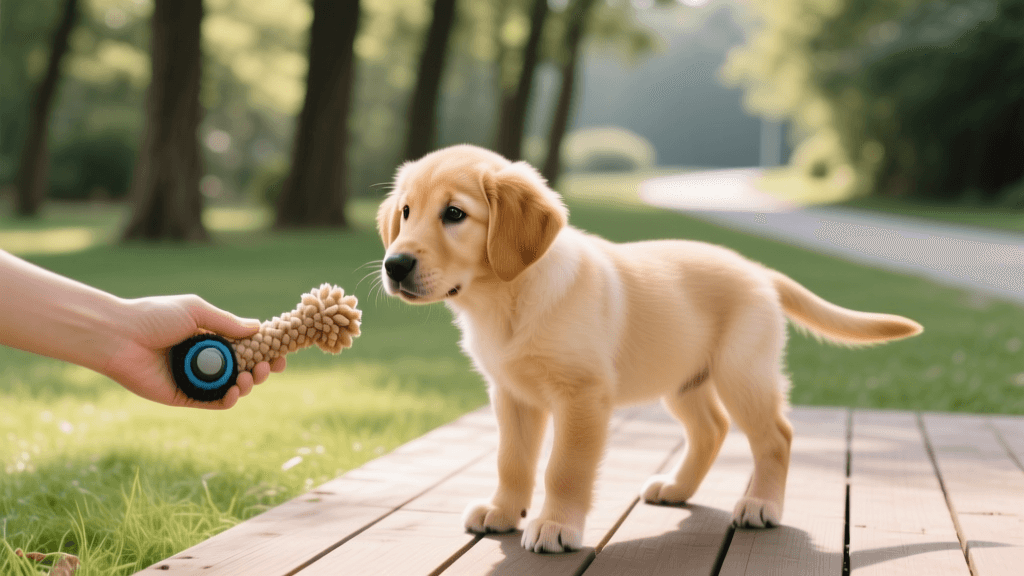
- Mark the 'Engage': When your puppy looks at the trigger, use a marker word like 'Yes!' or a clicker the exact moment they lock eyes with it. This marks the behavior of noticing the trigger without reacting.
- Reward the 'Disengage': After marking, wait for your puppy to turn their head toward you. The moment they disengage from the trigger and look at you, deliver a high-value reward (such as boiled chicken, freeze-dried liver, or cheese) directly to their mouth.
- Repeat and Build Duration: As your puppy begins to understand the game, they will start offering the 'disengage' behavior more quickly. Eventually, you can move to 'Level 2,' where you wait for the puppy to voluntarily look away from the trigger before you mark and reward, fostering independent coping skills.
This game fundamentally rewires the puppy's emotional response. Instead of the trigger predicting danger, the trigger becomes a cue that predicts a high-value reward from the handler. Consistency is vital; practice this in controlled environments before attempting it on busy neighborhood walks.
Top Calming Gear and Supplements for Anxious Puppies
While behavioral training is the foundation of reactivity management, biological support can lower a puppy's baseline anxiety, making them more receptive to learning. In 2026, the market for canine anxiety management has expanded, offering several evidence-backed tools. Below is a comparison of the most highly recommended calming aids for puppies.
| Product / Aid | Active Mechanism | Best For | 2026 Est. Cost |
|---|---|---|---|
| Adaptil Junior | Synthetic Dog Appeasing Pheromone (DAP) | Night crying, transition anxiety, general stress | $25 - $35 |
| Zylkene | Alpha-casozepine (milk protein derivative) | Acute stress events, vet visits, fear periods | $30 - $45 |
| ThunderShirt | Gentle, constant swaddling pressure | Thunderstorms, fireworks, travel anxiety | $45 - $55 |
| Solliquin | L-theanine, L-tryptophan, Magnolia extract | Daily baseline anxiety, long-term emotional support | $35 - $50 |
| Snuffle Mat / Lick Mat | Foraging and licking endorphin release | Decompression after a stressful walk or training | $15 - $25 |
When utilizing supplements like Zylkene or Solliquin, it is highly recommended to consult with your veterinarian to ensure proper dosing based on your puppy's current weight and metabolic rate. Pheromone diffusers like Adaptil are particularly useful in the puppy's primary sleeping area, creating an invisible 'safe zone' that mimics the comforting pheromones produced by a nursing mother dog.
Environmental Management and Acoustic Therapy
Managing a reactive puppy also requires strict environmental control. You must prevent your puppy from 'rehearsing' reactive behaviors. If your puppy barks furiously at the window every time the mail carrier arrives, the neural pathways associated with that reactive response are being strengthened. In 2026, environmental management tools such as opaque window films, white noise machines, and gated 'decompression zones' are considered essential for raising an anxious puppy.
Acoustic therapy is another powerful tool. The ASPCA notes that creating a predictable, soothing environment can significantly reduce fear responses in dogs. Classical music specifically arranged for canine hearing ranges (such as the 'Through a Dog's Ear' series) has been shown to lower heart rates and promote rest. Playing this audio softly during your puppy's nap times or when they are left alone in their crate can help mask startling outdoor noises and promote a state of relaxation.
Additionally, crate training should be approached as a positive retreat rather than a punishment. For an anxious puppy, covering the crate with a breathable blanket can create a den-like atmosphere that reduces visual overstimulation. Always pair the crate with high-value, long-lasting chews (like yak milk chews or stuffed, frozen Kongs) to build a strong positive emotional response to the space.
Socialization vs. Flooding: Knowing the Difference
A common mistake new owners make is confusing socialization with forced exposure. True socialization is about teaching a puppy how to process novel experiences calmly, not about forcing them to interact with every person or dog they see. If a stranger approaches and your puppy cowers or retreats, do not force the interaction or offer treats from the stranger's hand. This is known as 'flooding' and can lead to defensive aggression.
Instead, advocate for your puppy. Step between them and the approaching person, toss a treat on the ground away from the stranger, and allow your puppy to observe from a safe distance. Let your puppy dictate the pace of interaction. If they choose to approach, reward them heavily. If they choose to walk away, respect their boundary. This autonomy builds profound trust between you and your dog, which is the ultimate antidote to reactivity.
When to Seek Professional Behavioral Help
While many puppies will outgrow mild fear periods with patient, positive reinforcement training, severe reactivity or deep-seated anxiety requires professional intervention. If your puppy is exhibiting signs of extreme panic, self-injury, or unprovoked aggression, it is critical to seek help immediately. Do not wait for them to 'grow out of it.'
In 2026, the most qualified professionals to handle severe canine anxiety are Veterinary Behaviorists. These are licensed veterinarians who have completed years of additional residency training in animal behavior and are capable of prescribing anti-anxiety medications alongside behavioral modification plans. You can locate a board-certified specialist in your area through the American College of Veterinary Behaviorists (DACVB) directory. Early pharmacological intervention, when combined with force-free training, can dramatically improve a reactive puppy's quality of life and prevent the escalation of dangerous behaviors.
Conclusion
Managing a reactive or anxious puppy is a marathon, not a sprint. By respecting your puppy's fear periods, utilizing the Engage-Disengage game, leveraging modern calming supplements, and managing their environment, you can guide them through their developmental hurdles. Stay patient, celebrate the micro-victories, and remember that your calm, consistent presence is the greatest comfort your puppy can have in a confusing world.
anouk-beaumont
All our authors care for dogs every day — read more of their work on the authors page.