Force-Free Puppy Bite Inhibition & Teething Guide 2026
Discover force-free puppy bite inhibition techniques for 2026. Learn the reverse time-out method and best teething toys to stop nipping without punishment.
Understanding Puppy Biting: Normal Development, Not Aggression
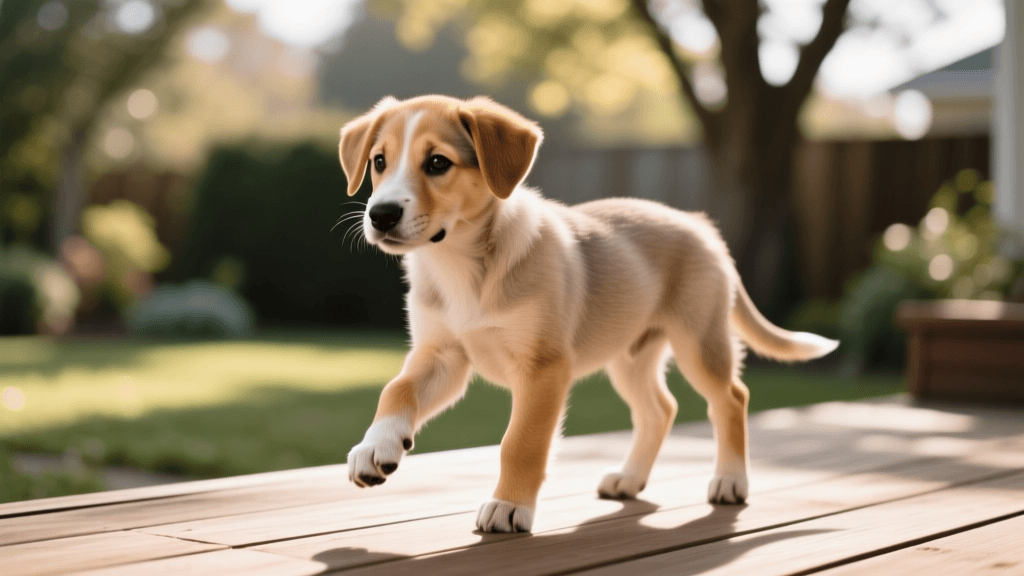
Bringing a new puppy home in 2026 is an exciting milestone, but it often comes with a sharp, painful reality: puppy teeth. Between the ages of three weeks and six months, puppies explore their environment primarily through their mouths. This behavior, commonly referred to as mouthing or nipping, is a critical developmental phase. It is how they learn about texture, taste, and the boundaries of social play. However, when those needle-like teeth latch onto your ankles or fingers, it can be incredibly frustrating for new pet parents.
It is vital to understand that puppy biting is not a sign of dominance or aggression. It is a natural, instinctual behavior linked to teething discomfort and a lack of bite inhibition—the ability to control the force of their jaw. In the past, outdated training manuals suggested harsh corrections to stop this behavior. Today, modern veterinary behaviorists and certified force-free trainers universally agree that positive reinforcement and gentle redirection are the most effective, scientifically backed methods for teaching bite inhibition.
The Force-Free Philosophy: Why Punishment Fails
As we navigate dog training in 2026, the shift away from aversive methods is complete. Force-free training relies on operant conditioning, specifically utilizing positive reinforcement (rewarding desired behaviors) and negative punishment (removing something the dog values to decrease an unwanted behavior). Punishing a puppy for biting—such as tapping their nose, holding their mouth shut, or performing 'alpha rolls'—does not teach them how to use their mouth gently. Instead, it teaches them to fear your hands, which can lead to defensive aggression later in life.
The American Veterinary Society of Animal Behavior (AVSAB) explicitly advises against the use of punishment in puppy training, noting that aversive techniques can increase fear, anxiety, and stress. When a puppy is stressed, their ability to learn and retain new information plummets. By utilizing force-free methods, we keep the puppy's nervous system regulated, making them more receptive to learning the rules of human-canine cohabitation. According to the American Kennel Club (AKC), teaching bite inhibition through gentle, reward-based feedback ensures your puppy grows into a confident, well-adjusted adult dog who knows how to interact safely with people and other animals.
The 'Reverse Time-Out' Technique: Step-by-Step
The cornerstone of force-free bite inhibition training is the 'Reverse Time-Out.' Traditional time-outs involve putting the dog in a crate or a pen, which can inadvertently create negative associations with their safe space. The reverse time-out flips this concept: when the puppy bites, the human removes themselves from the environment. This utilizes negative punishment (removing the puppy's access to you, which they highly value) without inducing fear.
Step 1: Establish a Bite Marker
Choose a neutral, consistent verbal marker such as 'Oops,' 'Too bad,' or a gentle 'Yelp.' Avoid loud, angry shouts, as these can overstimulate the puppy and trigger a prey-drive response, making them bite harder.
Step 2: The Withdrawal
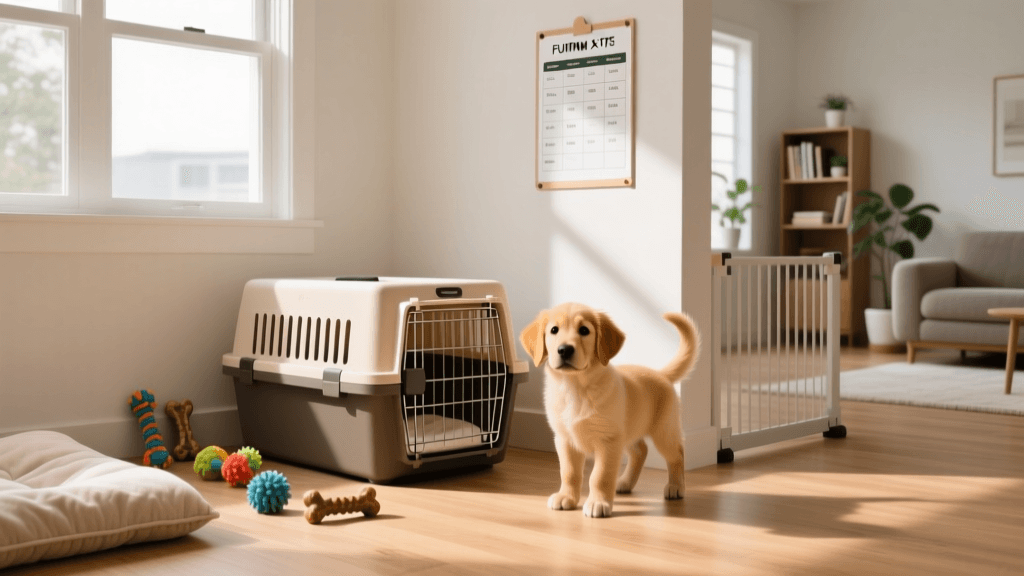
The moment the puppy's teeth make contact with your skin or clothing, say your marker word calmly. Immediately stand up, cross your arms, and turn your back to the puppy. If they follow and continue to nip at your ankles, step over a baby gate or leave the room entirely for 10 to 15 seconds.
Step 3: The Return and Redirection
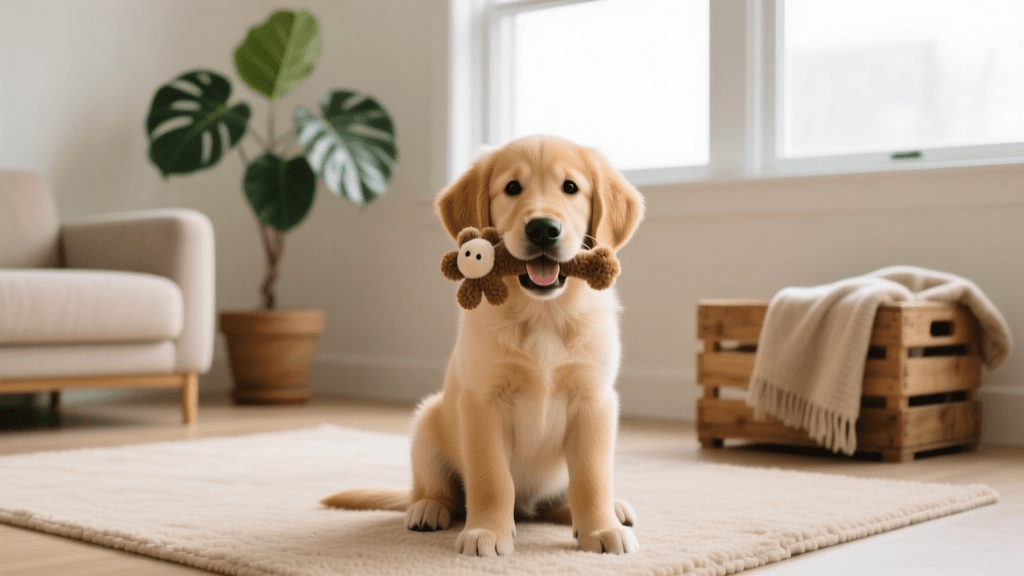
Return to the room calmly. If the puppy is calm, immediately offer an appropriate, high-value chew toy. If they engage with the toy, praise them calmly and offer a small training treat. If they immediately bite your hand again, repeat the withdrawal process. Consistency from every family member in 2026 is the only way this technique succeeds.
2026 Force-Free Teething Toy Guide
Redirection is only as effective as the alternatives you provide. Puppies need to chew to relieve the pressure of erupting adult teeth. Below is a curated table of the top force-free enrichment and teething toys available in 2026, designed to soothe gums and redirect biting instincts appropriately.
| Toy Name | Best For | 2026 Est. Price | Force-Free Enrichment Level |
|---|---|---|---|
| West Paw Toppl (Interlocking) | Prolonged mental stimulation and frozen treats | $28.00 | High (Licking & Problem Solving) |
| KONG Classic Puppy (Pink/Blue) | Durable chewing and soothing gum massage | $16.50 | Medium-High (Chewing & Foraging) |
| Benebone Puppy Chew | Heavy chewers needing texture relief | $14.00 | Medium (Sensory Chewing) |
| Hyper Pet IQ Treat Mat | Witching hour decompression and licking | $15.99 | High (Soothing Endorphin Release) |
Pro Tip: Freeze toys stuffed with plain pumpkin puree, goat's milk, or puppy-specific bone broth. The cold temperature acts as a natural anesthetic for inflamed teething gums, providing immense relief without the need for medication.
Managing the 'Witching Hour' with Enrichment
Many puppy owners notice a spike in aggressive nipping and hyperactivity in the early evening, commonly dubbed the 'witching hour.' This is usually a combination of overtiredness and overstimulation. Puppies, much like human toddlers, do not always know how to put themselves to sleep when they are exhausted. Instead of correcting the biting during this time, proactive management is key.
Thirty minutes before the usual witching hour begins, introduce a lick mat or a snuffle mat. The ASPCA notes that licking and sniffing are naturally calming behaviors for dogs. The repetitive motion of licking releases endorphins in the puppy's brain, lowering their heart rate and helping them transition from a state of high arousal to a state of relaxation. Once the puppy finishes the enrichment activity and begins to look drowsy, gently guide them to their crate or puppy pen for a nap.
Bite Inhibition Milestones: What to Expect
Tracking your puppy's progress helps maintain realistic expectations. Here is a general timeline for bite inhibition development using force-free methods:
- 8 to 12 Weeks: High frequency of nipping. Puppies are learning that human skin is entirely off-limits. Reverse time-outs will be frequent.
- 3 to 4 Months: Adult teeth begin to erupt. Chewing needs will peak. Nipping may temporarily increase due to gum pain. Rely heavily on frozen enrichment toys.
- 5 to 6 Months: Most adult teeth are in place. With consistent redirection, hard bites should be eliminated, replaced by gentle mouthing or complete avoidance of human skin.
- 7+ Months: Bite inhibition should be fully established. Any remaining mouthing should be incredibly soft and easily redirected.
When to Seek Professional Help
While mouthing is normal, true aggression is rare but requires immediate intervention. If your puppy exhibits stiff body language, deep growling, snapping with intent to cause harm, or resource guarding (biting when you approach their food or toys), consult a certified force-free behaviorist immediately. Do not attempt to 'correct' resource guarding with punishment, as this will only escalate the dog's fear and defensive responses.
Conclusion
Surviving the puppy teething phase in 2026 requires patience, consistency, and a commitment to force-free methods. By utilizing the reverse time-out technique, providing appropriate frozen enrichment toys, and managing your puppy's environment during the witching hour, you will teach your puppy that gentle mouths earn rewards and attention, while hard bites make the fun stop. Embrace the process, protect your ankles, and look forward to a lifetime of trust and gentle companionship with your adult dog.
hannah-wickes
All our authors care for dogs every day — read more of their work on the authors page.